
A DRIVER who fled the UK for four years after fatally striking a cyclist in Birmingham has been sentenced to six years in prison.
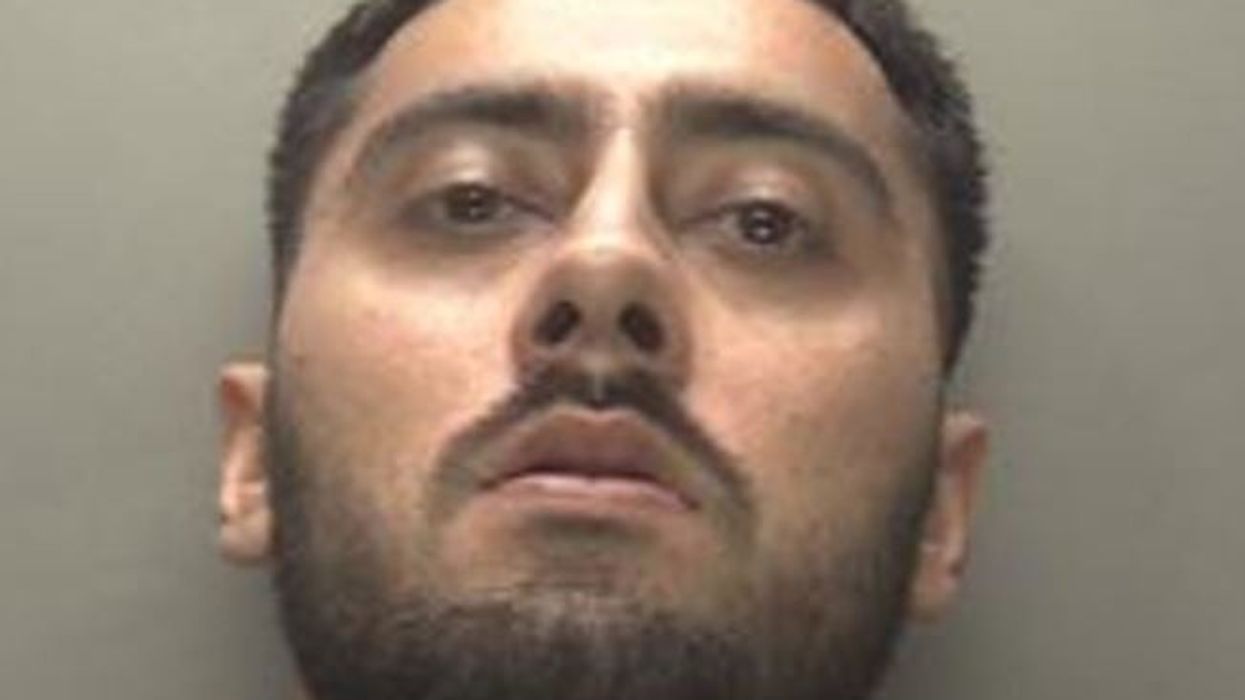
Kashif Khan, 28, from Parkhouse Drive, Birmingham, was behind the wheel of a grey BMW when he hit 59-year-old Andel Goulbourne on Washwood Heath Road at around 11.30pm on 30 July 2020.
Goulbourne, a father, grandfather, and great-grandfather, was cycling at the time of the collision and was pronounced dead at the scene.
Known to many as "Spring-i," he was remembered by his family as a "kind and generous" man who dedicated his time to helping others, particularly through charity work.
Following the fatal crash, Khan abandoned his vehicle and fled on foot. He swiftly purchased a one-way ticket to Dubai and left the country just four hours after the incident, leaving Goulbourne’s family and the community devastated.
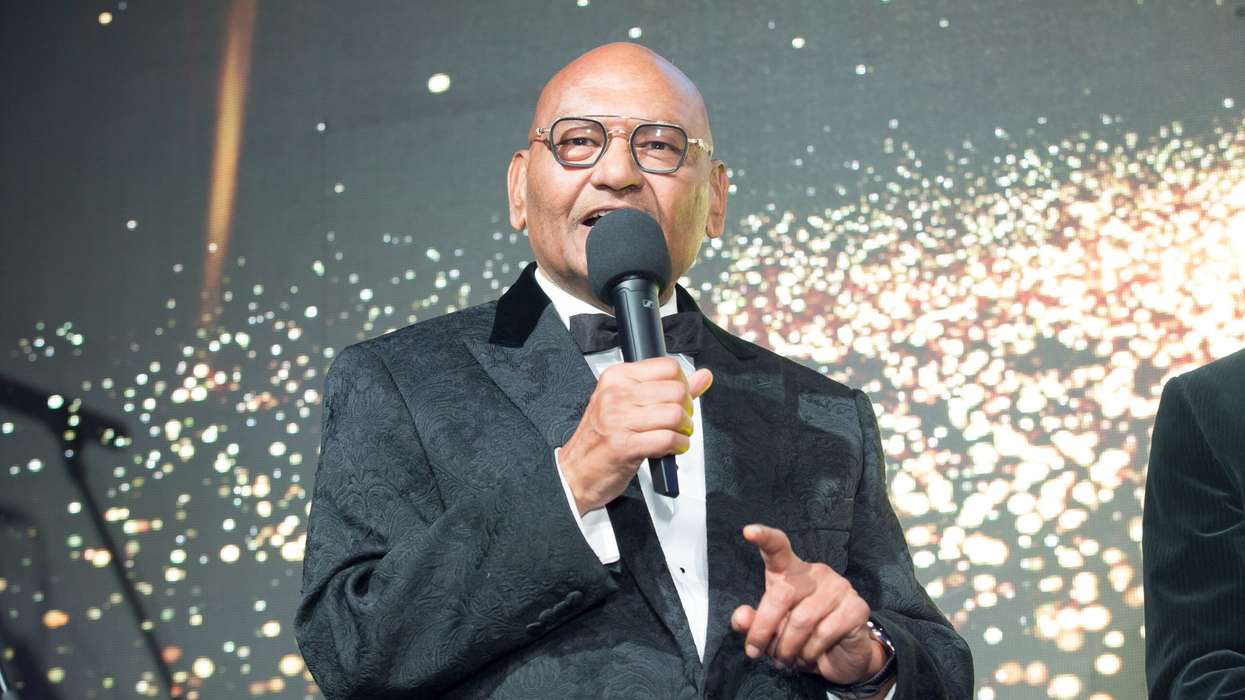
Andel GoulbourneDespite his quick escape, investigators from West Midlands Police worked tirelessly to identify the driver responsible. Forensics teams found a drinks can and receipt inside the abandoned car, leading to the discovery of Khan's fingerprints. Further analysis confirmed Khan’s DNA from a straw left in the car, linking him to the scene.
Over the next four years, Khan remained at large, and police were uncertain of his whereabouts. According to reports, he fled to Pakistan, where he settled down, got married, had two children, and worked as a taxi driver.
However, his return to the UK on 2 July this year led to his immediate arrest upon arrival.
After being brought before Birmingham Crown Court, Khan pleaded guilty to causing serious injury by dangerous driving. Along with the six-year prison sentence, Khan was also handed a driving ban of nearly 13 years.
Goulbourne’s family released an emotional statement following the sentencing, describing the devastating impact of his death. They spoke of their "unbearable grief" and how the loss of such a significant figure in their lives left them in "total disbelief."
His family said: "Our lives changed forever upon hearing the news that our dad had passed away. Losing someone so treasured as our dad will always cause us pain, but today we hope this brings us some form of justice and closure."
Detective Sergeant Paul Hughes, from the Serious Collision Investigation Unit, condemned Khan's actions, highlighting the callousness of the hit-and-run. "Mr Goulbourne was left fatally injured in the road while Khan was more concerned with evading responsibility," he said.
"He went so far as to flee the country within hours of the collision and remained away for years. As soon as he tried to return, we were ready to bring him to justice."