
In an era defined by rapid technological advancement, local businesses are rethinking how they operate, grow, and compete. No longer limited by geography or constrained by analog processes, small businesses now have the opportunity to leverage digital tools to enhance efficiency, serve customers better, and scale intelligently.
While "digital transformation" often brings to mind images of enterprise software and global corporations, it is increasingly vital for local businesses too. In fact, when implemented wisely, digital tools can have an even more profound impact at the local level-helping small companies punch above their weight.
Why Local Businesses Must Embrace Digital Transformation
1. Changing Customer Expectations
Modern consumers expect convenience, speed, and personalization. Whether it's ordering online, booking services through a mobile app, or receiving tailored promotions, local businesses must meet these demands to stay relevant.
2. Competitive Advantage
Digital tools allow local companies to compete not only with their neighbors but also with large national chains and online-only brands. Automation, analytics, and digital marketing can level the playing field and help smaller players thrive.
3. Operational Efficiency
Manual processes-paper records, unconnected spreadsheets, and phone-based communication-lead to errors, delays, and burnout. Digital platforms reduce repetitive work, streamline operations, and cut costs.

4. Data-Driven Decision Making
With the right digital infrastructure, businesses can collect and analyze data on everything from customer behavior to cash flow. This makes it easier to make informed decisions and pivot when necessary.
5. Resilience and Scalability
COVID-19 underscored the need for flexibility. Businesses that had already invested in digital infrastructure were better positioned to adapt to remote work, e-commerce, and changing regulations.
Key Technologies Driving Transformation
Digital transformation doesn't require a total overhaul. In fact, the most successful transitions often begin with simple tools that address real pain points.
Project Management Platforms
Every local business undertakes projects-whether it's launching a new product, marketing campaign, or renovating a storefront. Managing these initiatives manually can be chaotic.
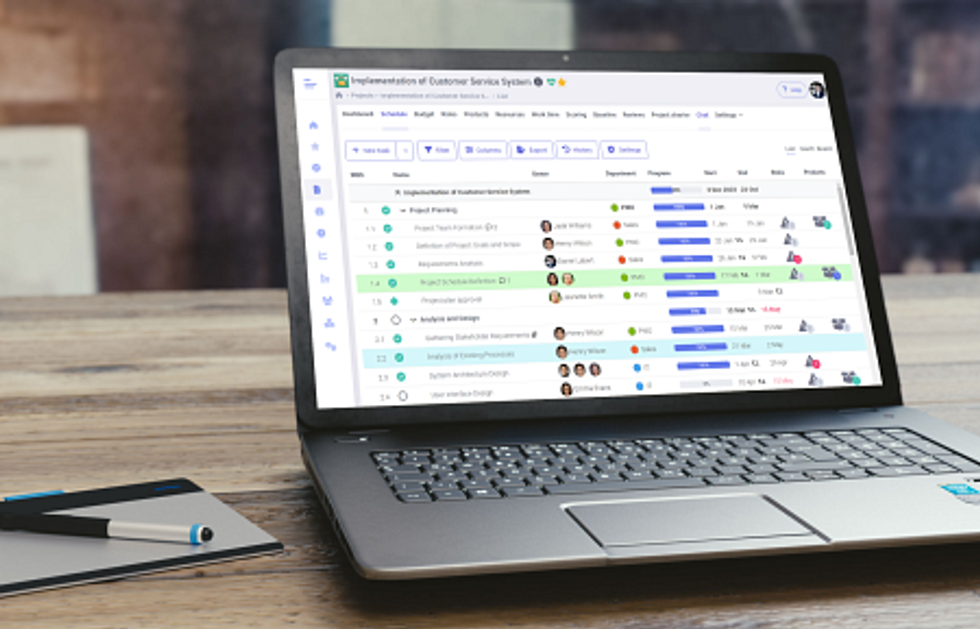
Tools like FlexiProject provide local businesses with a centralized way to plan, track, and execute projects. With built-in features like Gantt charts, task dependencies, risk monitoring, and real-time dashboards, business owners can stay in control of both timelines and budgets.

Managing Task Dependencies
Efficient project execution often hinges on understanding the relationships between tasks. The article "Types of Task Dependencies on a Gantt Chart with Examples" outlines how proper sequencing-such as Finish-to-Start or Start-to-Start-can prevent bottlenecks and optimize resource allocation.
Visual Planning with Gantt Charts
A Gantt chart is more than just a scheduling tool-it's a strategic asset. In "What is a Gantt Chart and How Do You Create One", FlexiProject demonstrates how visualizing projects enables smarter decisions, better time management, and stronger team alignment.
Automation and Workflow Tools
Repetitive tasks such as invoicing, appointment reminders, and email follow-ups can be automated using low-code platforms or built-in CRM features. This saves time and ensures consistency across customer interactions.

Cloud-Based Collaboration
Whether you’re managing a hybrid team or coordinating with partners, cloud-based platforms enable real-time communication, document sharing, and progress tracking from anywhere.
Integrated Systems
Digital transformation is most effective when tools work together. Integrating point-of-sale systems, inventory management, accounting, and customer relationship management (CRM) software reduces friction and improves data accuracy.

Final Thoughts: Technology as an Equalizer
Digital transformation is no longer reserved for large enterprises. For local businesses, it offers a pathway to growth, resilience, and long-term success. By adopting project-based tools like FlexiProject, managing dependencies smartly, and using visual planning methods such as Gantt charts, even the smallest business can operate with the efficiency and confidence of a much larger organization.
The future is digital-but it’s also local. And with the right technology, local businesses can be more competitive, more agile, and more customer-centric than ever before.