
THE critical statement from accounting giant Deloitte has highlighted the governance concerns at Stanlow oil refinery, which supplies a sixth of the country’s road fuel, as well as Manchester and Liverpool airports, reports said.
In the statement written in October, the firm said it quit as auditor to the parent company of the ailing refinery as 'improvements are required to both the control and the governance framework of the company, in particular regarding loans and advances', reported The Sunday Times.
It is the first time one of the professional firms advising Stanlow’s parent company, Essar Oil UK, pinpointed governance concerns.
Lloyds, Deloitte, PwC and law firm Linklaters have all cut ties with Essar Oil UK, and two chief executives have recently quit.
Deloitte said it had been informed by directors that they were 'taking steps to address these areas'. PKF Littlejohn replaced Deloitte as auditor and signed off its latest set of accounts for the year ending September 2020, which revealed a $186m loss.
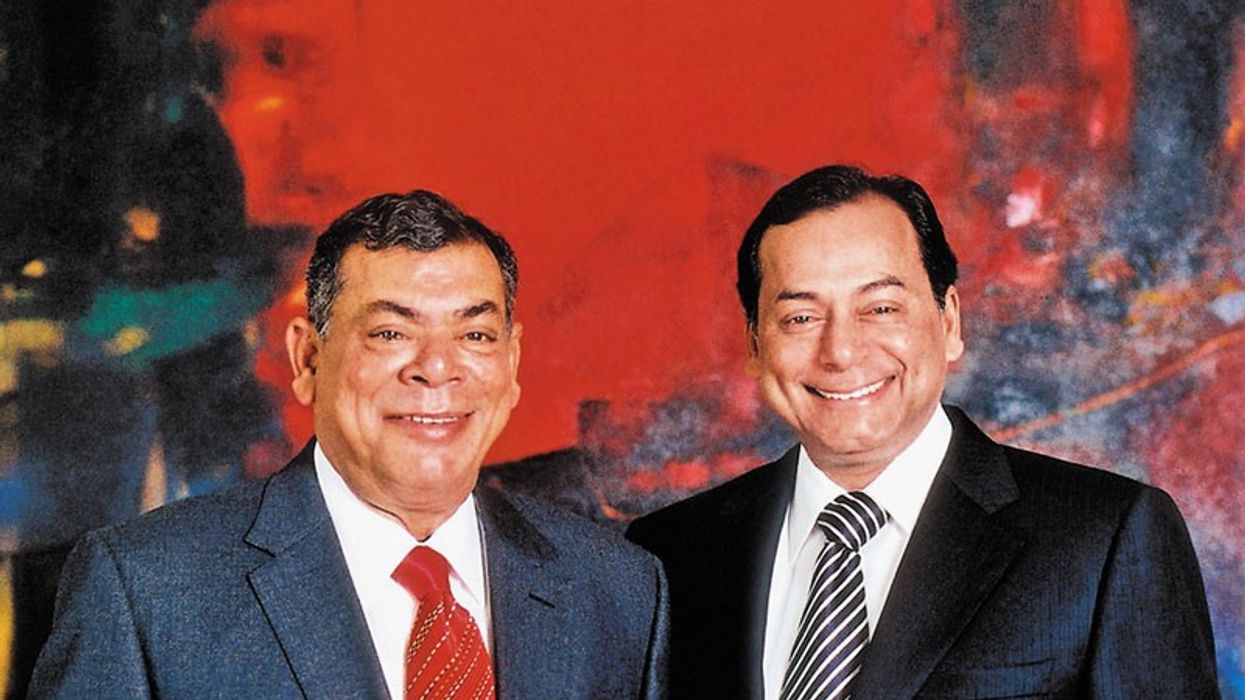
According to reports, dividends and loans were siphoned out of Essar Oil UK, which is controlled by brothers Shashi and Ravi Ruia, shortly before the company took advantage of the government’s pandemic VAT deferral scheme to the tune of £356 million.
The refinery employs 900 people directly and 800 contractors, while a further 5,000 jobs are linked to the site.
Between 2017 and December 2019, Essar Oil UK paid £518m in dividends to the Ruias and handed a Mauritius-based company they own a $225m loan just before the pandemic struck.
Essar Oil UK, which is chaired by Shashi’s son Prashant Ruia, claims to have invested $1 billion (£715 million) in Stanlow since buying it from Shell in 2011 for £801 million. It has said it received lenders’ consent for the loan, The Times report added.
Pandemic-induced lockdowns crippled oil refining margins as the brakes were slammed on road and air travel. Essar Oil UK limped on until its main lender, Lloyds Banking Group, pulled the plug on a funding facility last month.
Essar Oil UK said it had secured alternative financing, apparently removing the risk of insolvency. However, the company needs to pay the VAT bill, which it has deferred twice after talks with officials at HM Revenue & Customs. The latest deferral gives it about six months, The Times report added.
Troops were put on standby amid fears in Whitehall that Stanlow, one of Britain’s six major oil refineries, could collapse and could cause petrol stations in northwest England to run dry.
Reports said that ministers decided they would not prop up the refinery if approached because of the multibillion-pound fortunes of the Ruia brothers, who travel in private jets and own a $150m superyacht.
Responding to the statement, Essar Oil UK has said that it always sought to implement the highest standards of corporate governance. Deloitte declined to comment further.