
THE death toll from the building collapse in western India climbed to 20 on Tuesday (22) as the search for survivors is on.
Officials said that more bodies are likely to be recovered from the rubble of the building in Bhiwandi, near Mumbai.
Emergency workers from the National Disaster Response Force (NDRF) have pulled 20 survivors including two boys aged four and seven.
An NDRF spokesman said that recovery teams, aided by sniffer dogs, also retrieved 20 bodies buried under layers of brick and concrete when the three-storey block came crashing down before dawn on Monday(21).
NDRF director general Satya Narayan Pradhan tweeted that he expected the toll to increase, with "more (bodies) likely under debris".
The cause of the accident was not immediately clear, but building collapses are common during India's June-September monsoon season, with old and rickety structures buckling after days of non-stop rain.
Reports said that local residents cheered as emergency workers pulled 20 survivors from the rubble.
An official at the Thane city authority, which oversees Bhiwandi, said that more than 40 emergency workers were helping search for survivors.
Images broadcast on the NDRF's official Twitter feed showed emergency workers combing through concrete and brick rubble with electrical wires hanging over their heads.





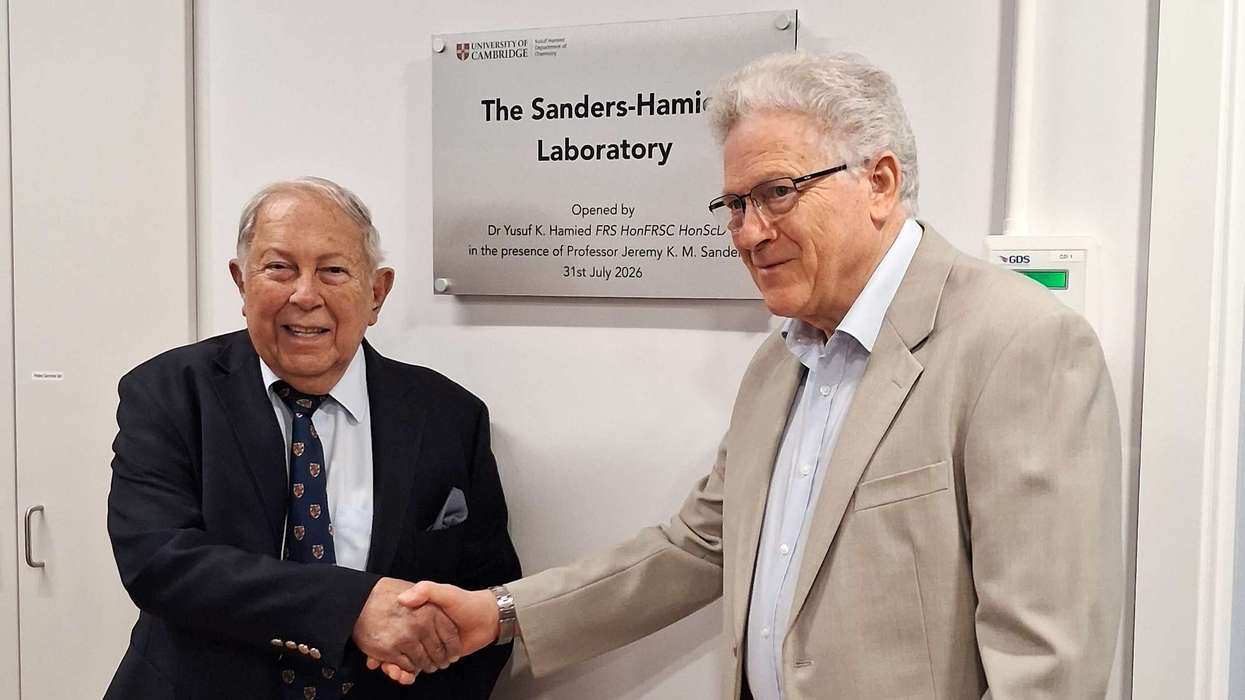
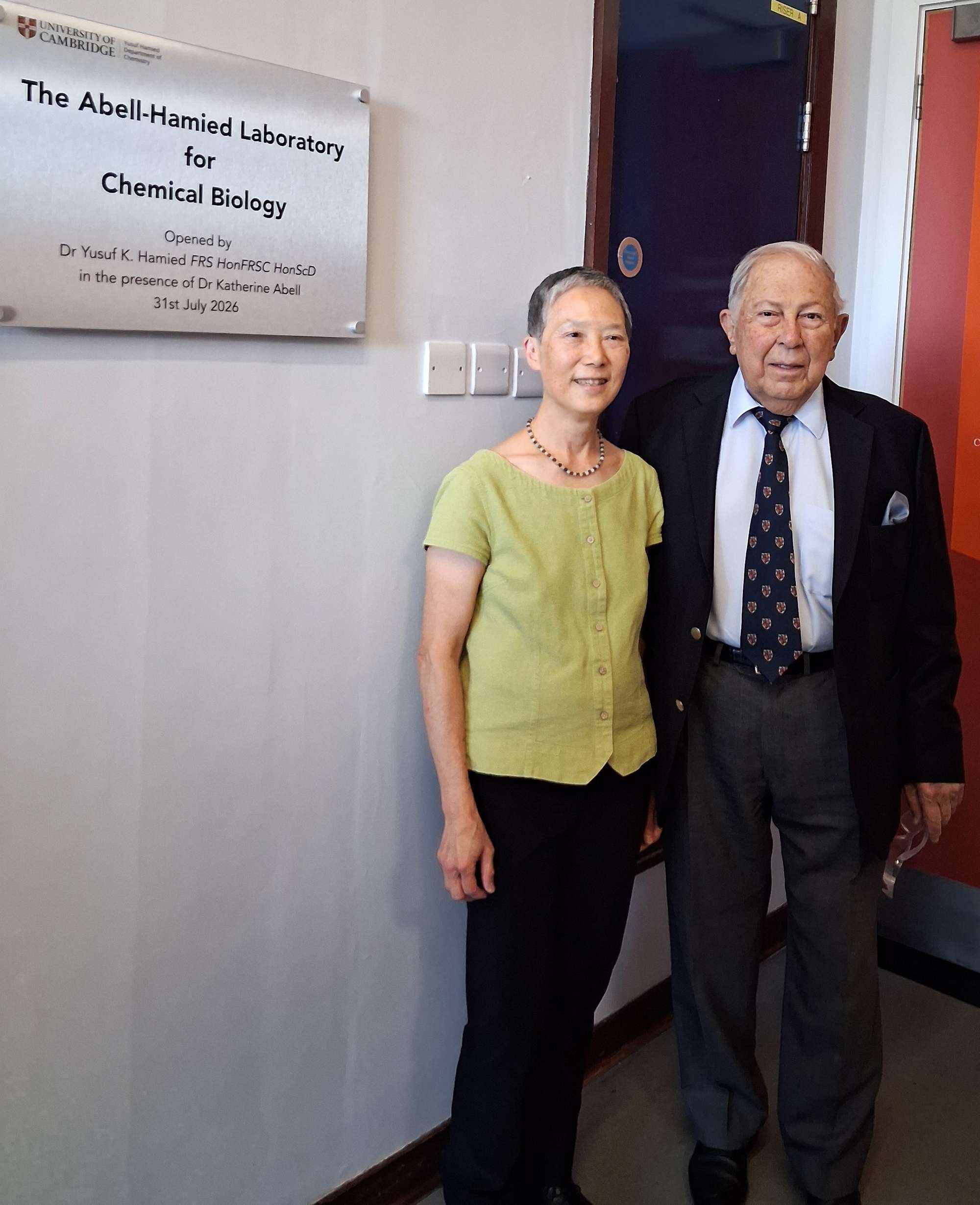 Katherine Abell and Yusuf Hamied Amit Roy
 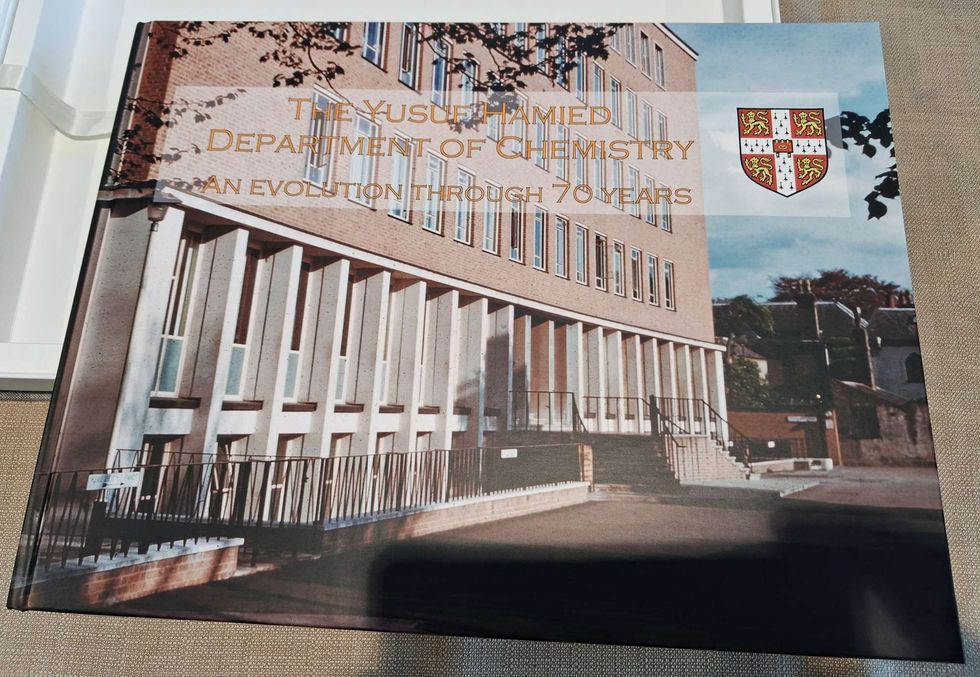 The album gifted to Yusuf Hamied Amit Roy
 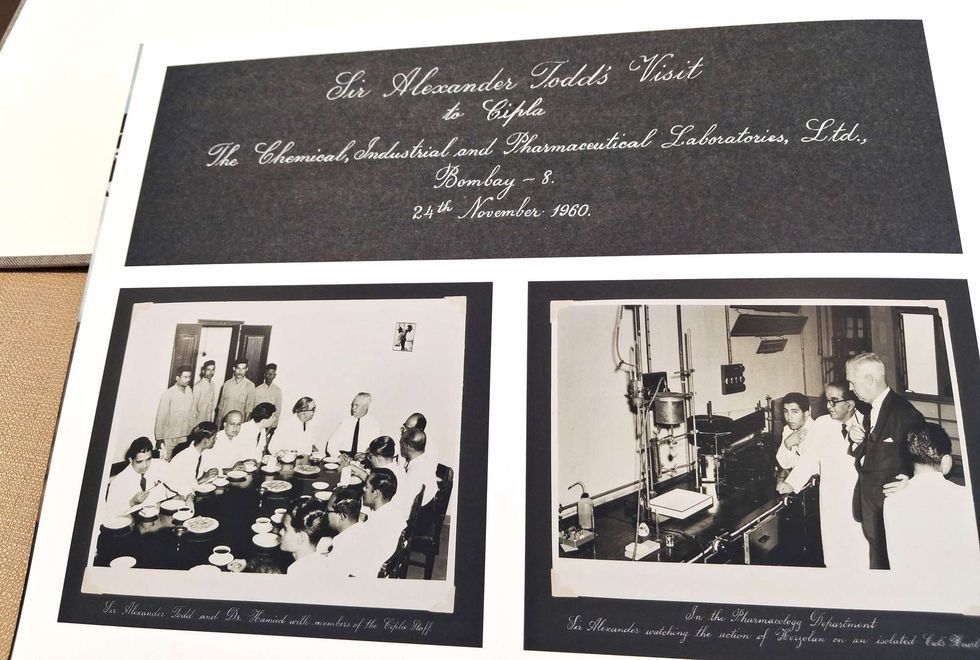 Todd visit to Cipla in Bombay in 1960 (from the album) Amit Roy
  Abell-Hamied plaqueAmit Roy
 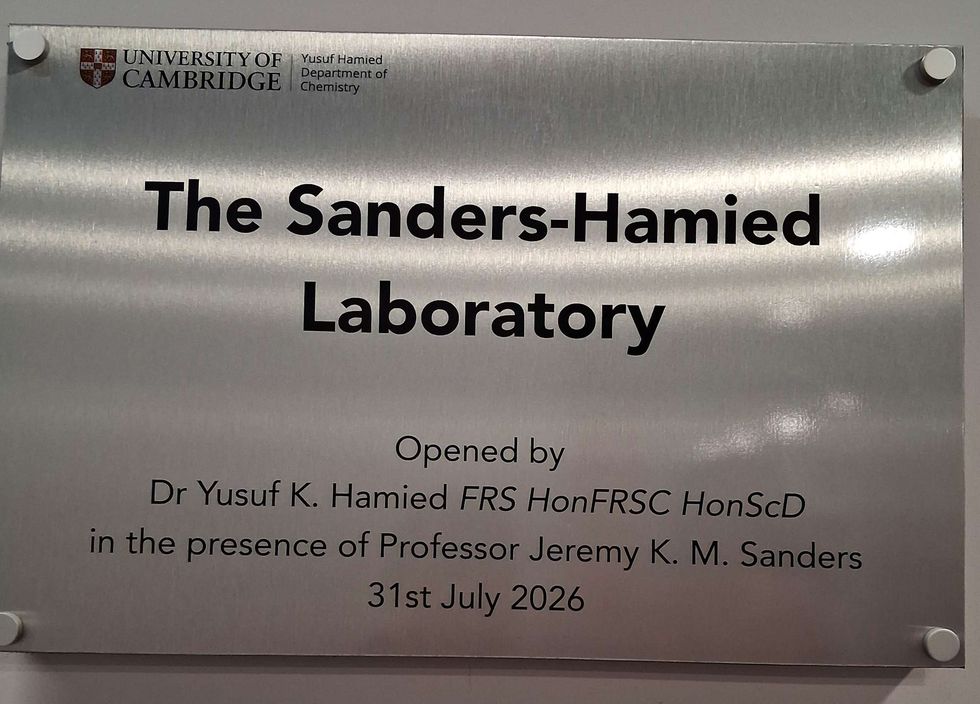 Sanders-Hamied plaque Amit Roy
 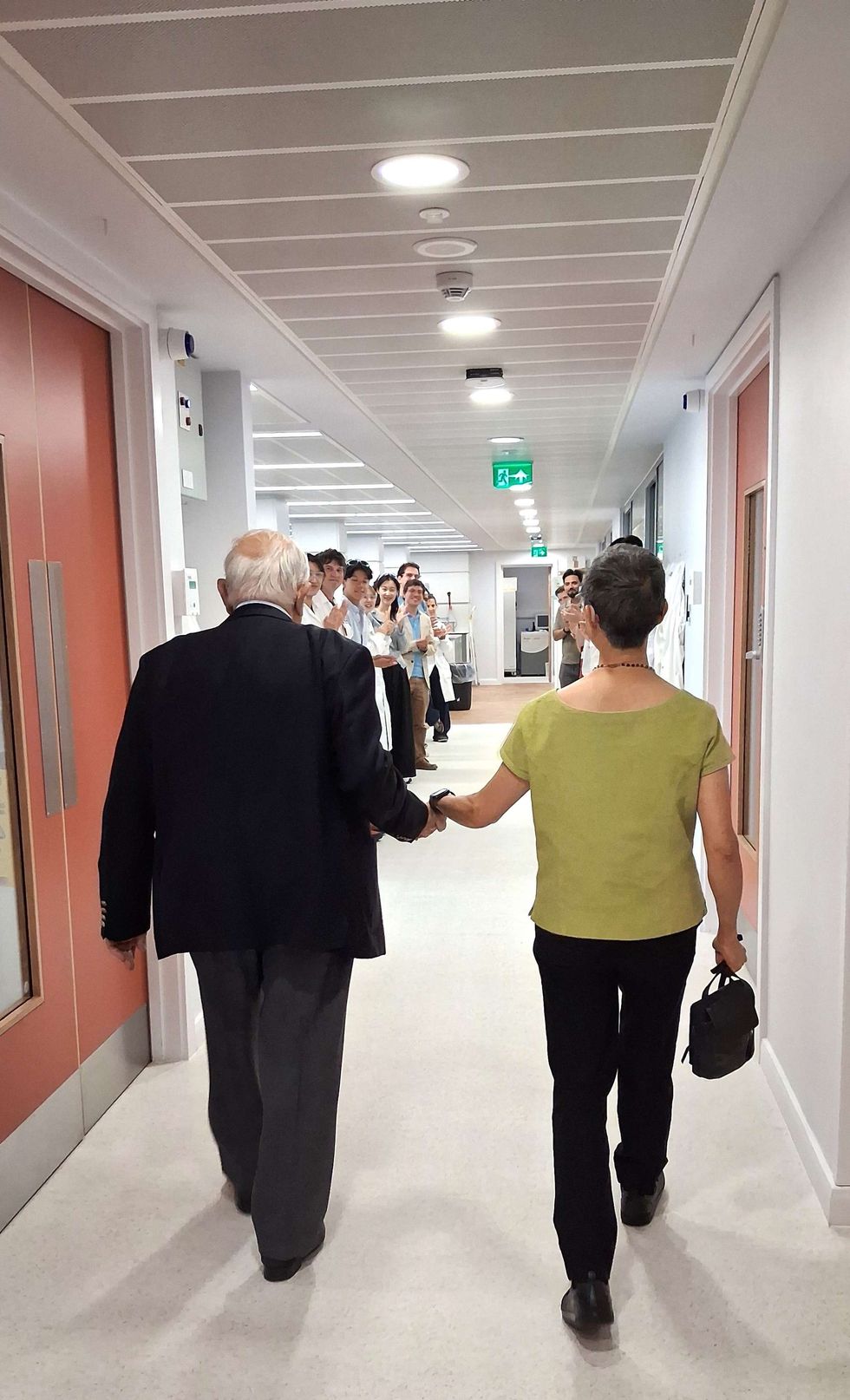 Yusuf Hamed & Katherine Abell meet students Amit Roy
 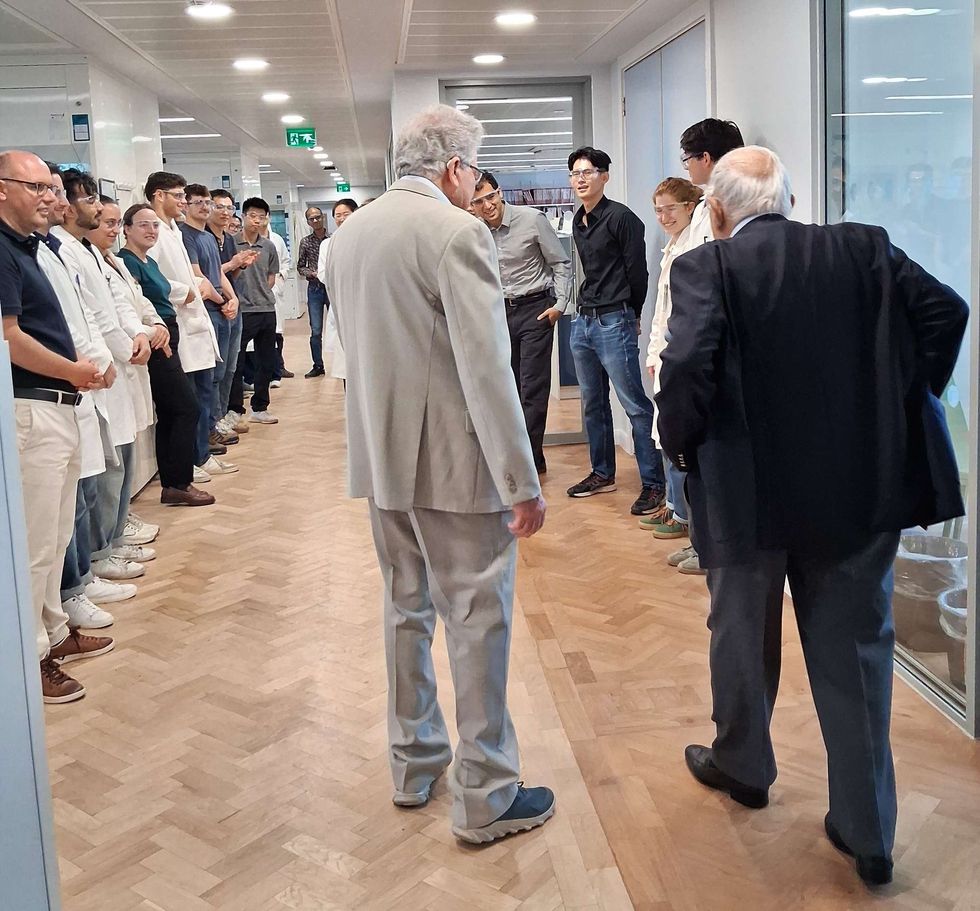 Yusuf Hamied and Jeremy Sanders meet studentsAmit Roy
  (From left) Katherine Abell. Jeremy Sanders. Deborah Prentice. and Yusuf Hamied Amit Roy
  James Keeler Amit Roy
 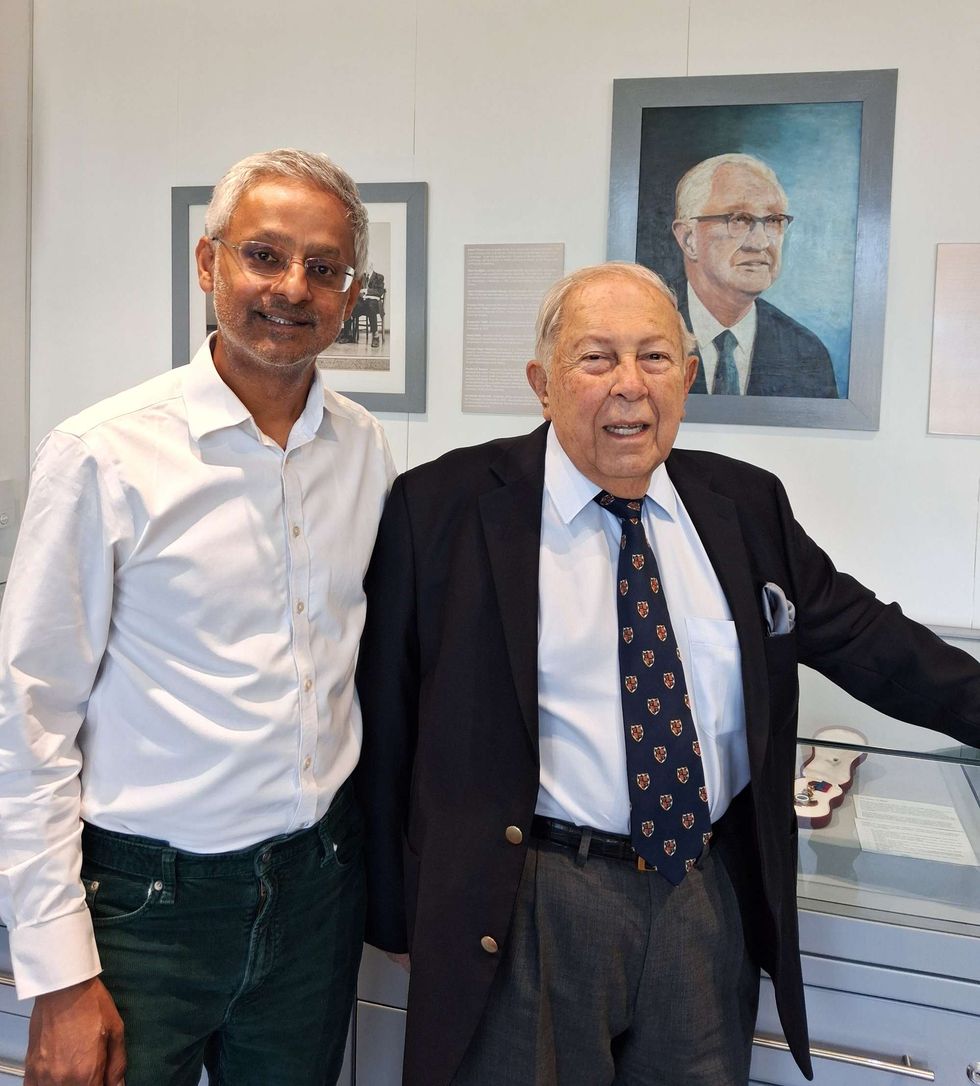 Shankar Balasubramanian with Yusuf Hamed Amit Roy
