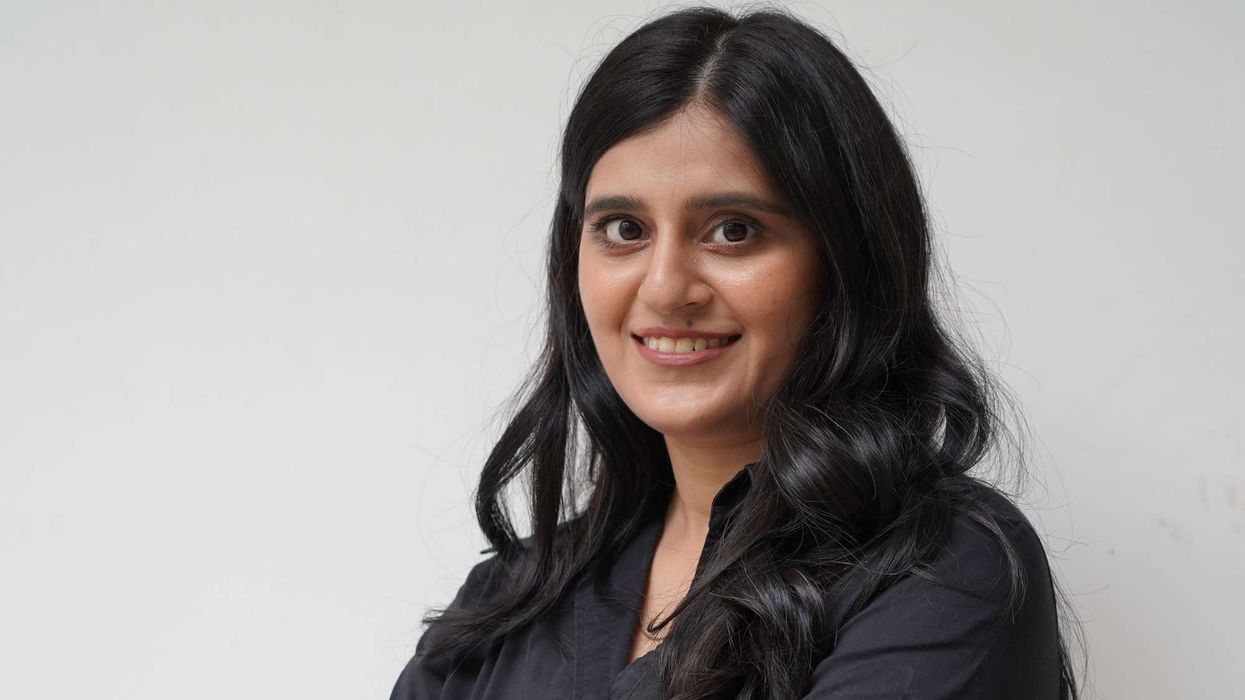

I’m Mareyah, a sustainability strategist and passionate home cook, exploring the links between climate, culture and food. Drawing on my Pakistani heritage, I champion the value of traditional knowledge and everyday cooking as a powerful - yet often overlooked - tool for climate action. My work focuses on making sustainability accessible by celebrating the flavours, stories and practices that have been passed down through generations.
As someone who grew up surrounded by the flavours and stories of my Pakistani heritage, food has always been more than nourishment - it’s about connections, culture and memory. It’s one of the only things that unites us all. We cook it, eat it and talk about it every day, even if our ingredients and traditions differ. We live in a world where climate change is a looming threat, and we’re constantly seeing images of crises and mentions of highly technical or political answers. But, what if one of the solutions was closer to home?
Early on in my career, I went to a conference on sustainable food of the future and watched as a room of corporate executives marvelled at daal - a humble, everyday dish for most South Asian families. They praised that it takes little energy to cook, is affordable and high in protein. Meanwhile, I could only roll my eyes. To us, daal is what you cook when you’re tired or need something quick - not a ground-breaking discovery.
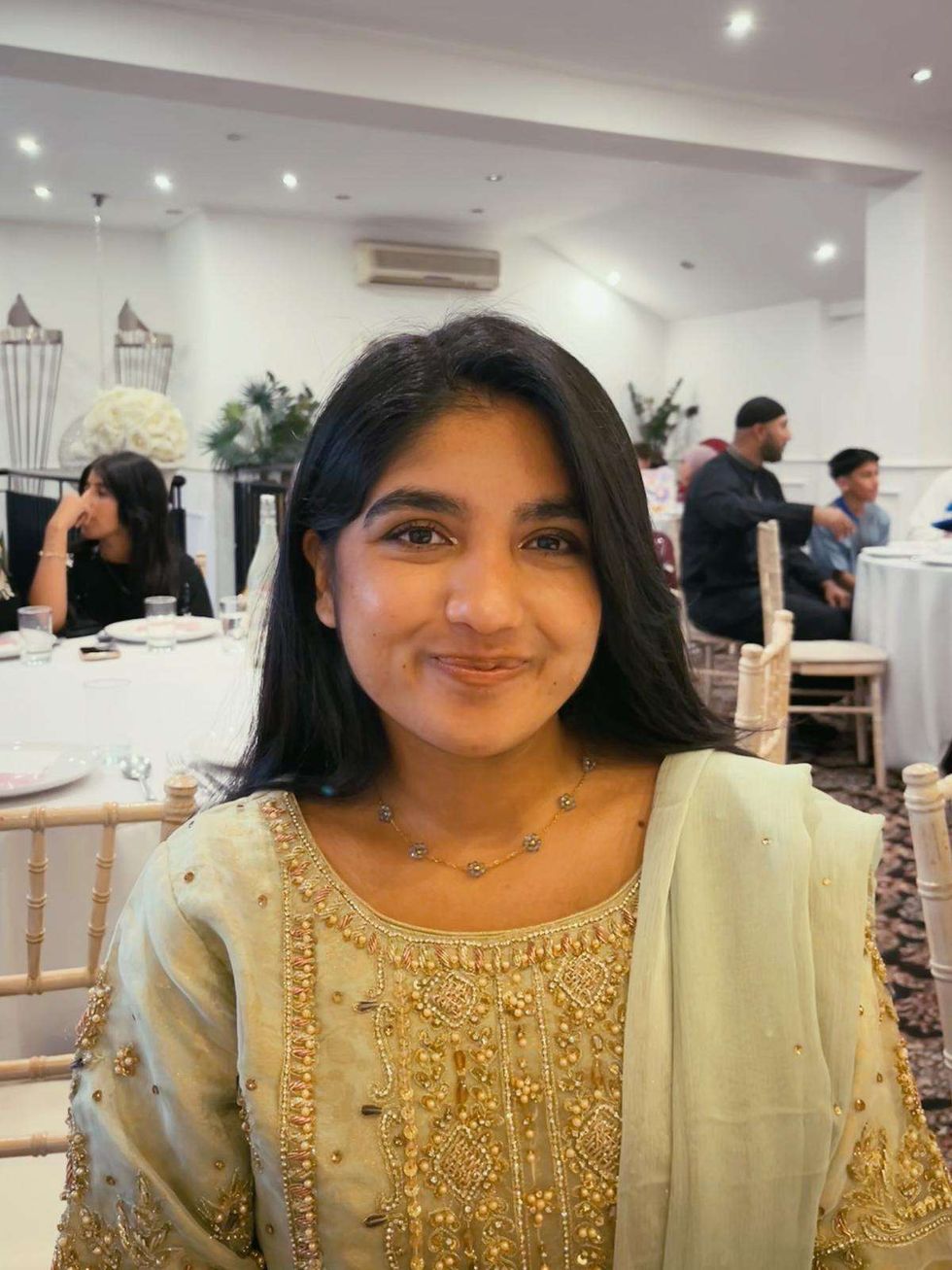 Mareyah Bhatti , a sustainability strategist and passionate home cookMareyah Bhatti
But that moment cemented something important - the food that we grew up with, and the culinary knowledge passed through our families, holds deep value. These traditions are often naturally sustainable, rooted in local practice, and nourishing for both people and planet - yet they are often overlooked in mainstream climate and food conversations.
So, I’m on a mission to celebrate traditional knowledge while showing how the foods many of us grew up with can also support a more sustainable future. At a time when the Western sustainability movement often “discovers” ingredients that have long been staples in non-Western households, it’s worth recognising the value of indigenous, local and ancestral practices.
Put simply: what if the food we eat every day - and the knowledge passed down through generations - could be recognised as climate solutions?
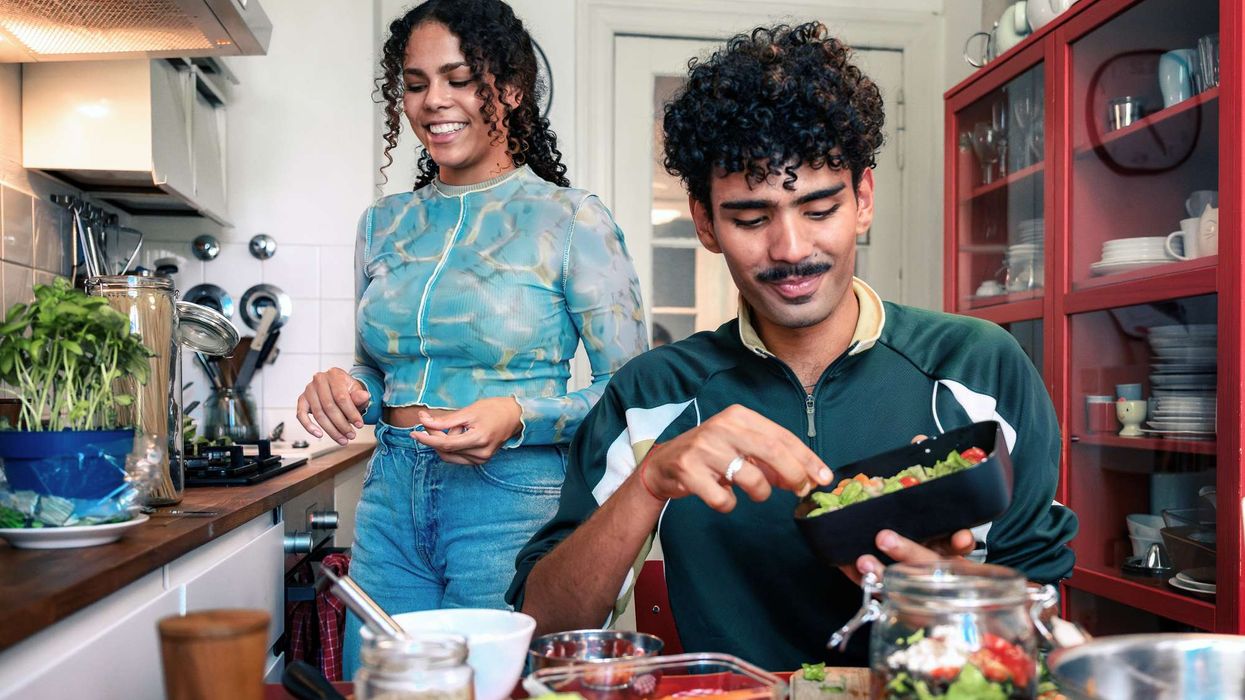
To begin this journey, I’m sharing a simple daal recipe: a comforting dish familiar to many South Asian homes, and a reminder that sustainable cooking doesn’t have to be complicated. It can start with what we already know and love.
Recipe: Daal and roasted cauliflower
Sustainability tip: How to avoid food waste
● Daal tastes great with almost any roasted vegetable, so use this dish as an excuse to cook any leftover vegetables and switch out the cauliflower for something else.
Ingredients:
● 1 cup of red split lentils, soaked in water
● 1 onion, diced
● 3 garlic cloves, diced
● 1 red chilli, chopped
● 1tbsp oil (any)
● 1tsp chilli powder
● 1tsp salt
● 1tsp garam masala
● 1tsp paprika
● 2 vegetable stock cubes in 200ml water
● 2tbsp lemon juice
● Handful of fresh coriander, chopped
● 400g chopped tomatoes (alternative: coconut milk for a creamier taste)
● Salt and pepper
● 1 cauliflower cut into florets
● 1tsp cumin
● Sriracha sauce
Method:
For the daal:
1. Heat the oil in a sauce pan on medium heat.
2. Add in the onions, garlic and chilli and fry until soft.
3. Next, add the salt, garam masala, paprika, chilli powder, vegetable stock, lemon juice and coriander and simmer for 3 minutes.
4. Pour in the chopped tomatoes and daal and simmer on a low heat for 20 minutes (or until soft).
For the roasted cauliflower:
5. Place the cauliflower on a baking tray. Season with salt and pepper, and drizzle oil and sriracha sauce on the top. Mix to ensure all the cauliflower is coated.
6. Bake the cauliflower at 200°C (180°C fan) for 15 minutes, and then turn over. Bake for another 15 minutes at a higher temperature of 220°C (200°C fan) to ensure it is crunchy on the outside and gooey in the middle.
Instagram & TikTok @carbonfoodprints