
RAMADAN is just around the corner. Beginning in mid-February in the UK and lasting for around a month, it is a sacred time for Muslims across the world.
During Ramadan, Muslims fast from dawn until dusk, abstaining from food, drink and immoral behaviour – which is all part of Sawm (fasting), one of the five pillars of Islam.
Beyond fasting, Ramadan is a time of reflection, self-discipline and gratitude. It encourages us to be mindful of what we have, to remember those who have less, and to reconnect with faith and values. Observed by Muslims globally, Ramadan carries a powerful sense of togetherness – a shared experience that links communities across continents.
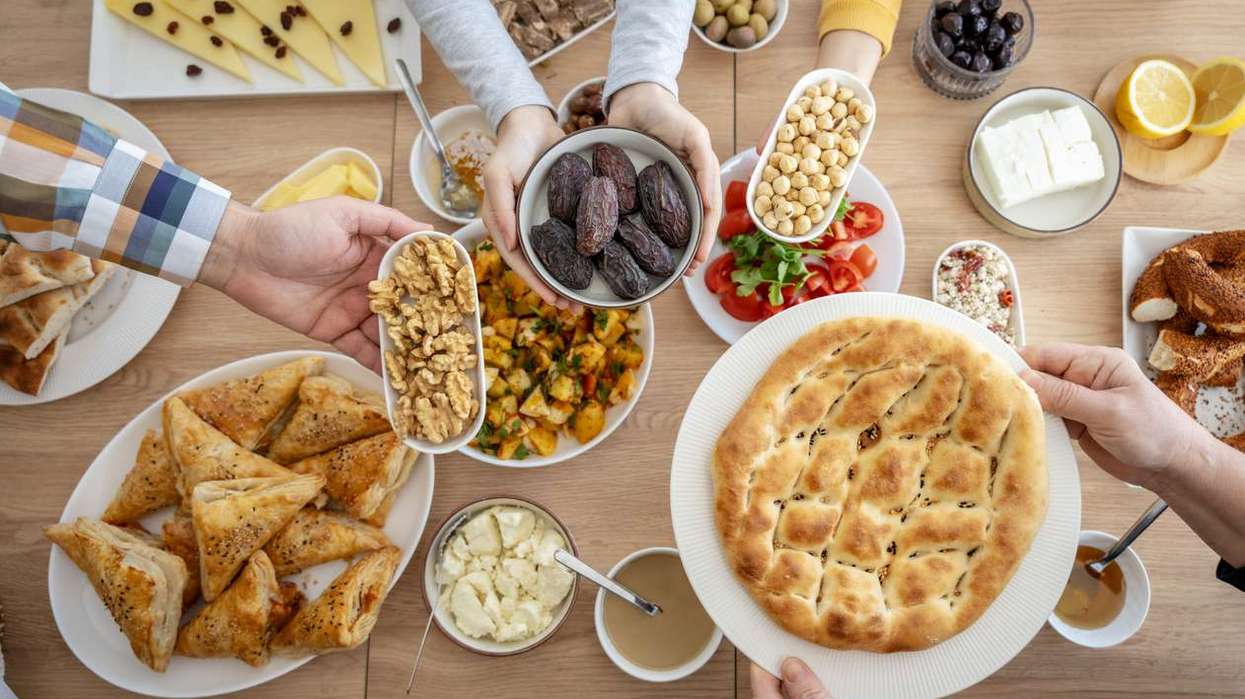
It’s also a time centred around family and connection. Each evening, the fast is broken after sunset with iftar, a meal often shared with family and friends. The month concludes with Eid al-Fitr, a joyful celebration marking the end of the Ramadan.
Like many families, mine has its own iftar routine. We typically begin with a drink (water, milk or juice) followed by dates, fresh fruit and then a familiar meal such as roti with a curry or daal.
Eating dates to break the fast is Sunnah (a prophetic tradition), and for good reason: dates are rich in fibre, antioxidants and essential minerals, providing a great source of energy after a long day of fasting.
While this is typical in my household (British-Pakistani), what happens around the globe varies widely as iftar reflects local ingredients, climates and cultures.
Let’s go on a journey across the Muslim world, and explore how different cultures break their fasts.
Afghanistan: Iftar often begins with dates, followed by shorwa – a hearty stew made with meat, kidney beans, chickpeas and vegetables.
Bangladesh: Sweet, refreshing drinks known as shorbot are popular. Made from fruits, herbs and spices, varieties include lebur shorbot (lemonade) and kacha amer shorbot (green mango), offering welcome relief in warm weather.
Malaysia: Bubur lambuk – a spiced rice porridge has deep communal roots. It is often prepared by volunteers in mosques and courtyards; it is distributed freely to the public for iftar, reflecting the generosity at the heart of Ramadan.
Morocco: Harira takes centre stage – a rich, spiced soup made with lentils, chickpeas, tomatoes, fresh herbs and warming spices like cumin and cinnamon.
Saudi Arabia: Tharid is a popular iftar dish. Made by pouring meat, vegetables and broth over pieces of bread, it’s designed for sharing and embodies the communal spirit of Ramadan.
Somalia: Families often share anjero, a spongy fermented flatbread that symbolises community. It’s eaten together from a shared platter alongside other dishes.
Turkey: Many break their fast with mercimek çorbası – a comforting lentil soup that’s creamy, warming and filling.
The dishes on the table may look different from country to country, shaped by local traditions, but breaking a fast serves the same purpose everywhere: to nourish the body after a long day and to mark a shared moment for spiritual reflection, connecting millions of diverse households across the world.
Instagram: @carbonfoodprints
TikTok: @carbonfoodprints