
Highlights
- Over half of British households (52 per cent) have made spending cuts to cover basic costs.
- Low-income families particularly affected, with 35 per cent cutting back on essentials
- Consumer confidence continues to fall for the fifth consecutive month
1) Raiding the savings pot
 Savings now required to cover any emergencies.iStock
The most common adjustment households are making is dipping into their savings, with 30 per cent of families forced to use money they'd put aside for emergencies or future plans. This represents millions of households essentially eating into their financial security just to pay for day-to-day essentials .
For many, these savings were meant for holidays, home improvements, or retirement. Now they're being used to bridge the gap between wages and the rising cost of basic necessities. The long-term implications are concerning—without savings, families have no safety net when unexpected expenses arise.2) Cutting back on the essentials
 Over a third of Britain's poorest households are going without basic things they need.iStock
Perhaps most worryingly, 28 per cent of households are cutting back on essentials—not luxuries or treats, but genuine necessities like utility bills, housing costs, groceries, school supplies, and medicines. This figure jumps to 35 per cent for low-income families, meaning over a third of Britain's poorest households are going without things they actually need.
One woman from Yorkshire explained: "I think my wage will not increase by much but all my bills and food will increase massively."This harsh reality means families are making impossible choices—reducing heating use even in cold weather, buying cheaper and often less nutritious food, and delaying essential purchases. The impact on quality of life and wellbeing cannot be overstated.
3) Becoming vigilant on bills and utilities
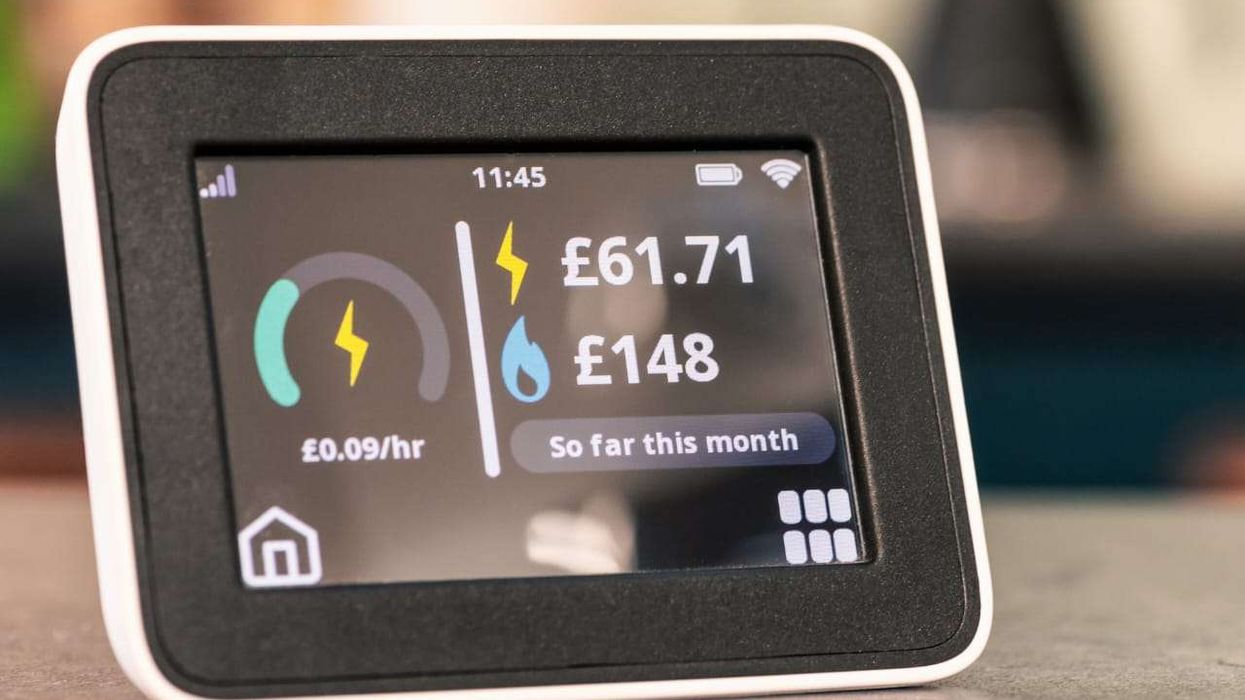 Rising energy bills will reduce the spending.iStock
Households are paying much closer attention to their bills and utility usage as costs continue to rise. With over half of those worried about their financial future citing issues related to food prices, bills, and inflation, families are scrutinising every penny spent on essentials. One man from London explained his concerns: "The announcements in the next budget will likely be a raise in taxes. This means I will have less disposable income."
Another woman from the North West added: "Tax changes in the budget are a worry. A cold winter will increase fuel costs."
This heightened vigilance means switching off lights, turning down thermostats, comparing prices obsessively, and constantly looking for ways to reduce utility consumption. Every kilowatt-hour and every litre of water is being watched as families try to keep costs under control.
4) Avoiding big spending decisions
 Purchases are delayed foreseeing hoping a greater economic situation.iStock
British households are putting off major financial commitments and purchases as uncertainty about the future grows. With one in five adults (20 per cent) thinking their household situation will improve over the next year and a third (34 per cent) expecting it to worsen, families are being extra cautious about any significant spending.
Consumer confidence in future household finances has fallen for the fifth consecutive month, now sitting at -15. This growing pessimism means big decisions—whether it's buying a car, making home improvements, or planning significant purchases—are being delayed or cancelled altogether."I'm anticipating the budget will include tax rises. This along with the increasing cost of goods and services is going to make things more difficult," said one man from the North West, summing up the cautious mood gripping households across Britain.
5)Selling of possessions
 From furniture to clothes set for sales to cover bills.iStock
Some households have resorted to selling personal belongings to raise cash for bills and groceries. This desperate measure shows just how severe the financial pressure has become for many families across the UK. From furniture and electronics to jewellery and clothing, British households are parting with items they'd rather keep simply to make ends meet. It's a last resort that many never imagined they'd have to take, but when it's a choice between selling a treasured item or missing a payment, families are doing what they must to survive. Over half of respondents who expect their situation to worsen mentioned cost of living issues, while roughly a third pointed to concerns about already high or expected higher taxes following the autumn budget.
With winter approaching and Christmas costs mounting, the pressure on household finances is only likely to increase. Rocio Concha, Which?'s director of Policy and Advocacy, urged struggling families to seek free debt advice and reach out to bill providers for help."Our research shows that millions of households are struggling to cover the costs of everyday essentials such as utility bills, mortgage and rent payments and the weekly shop," she said.