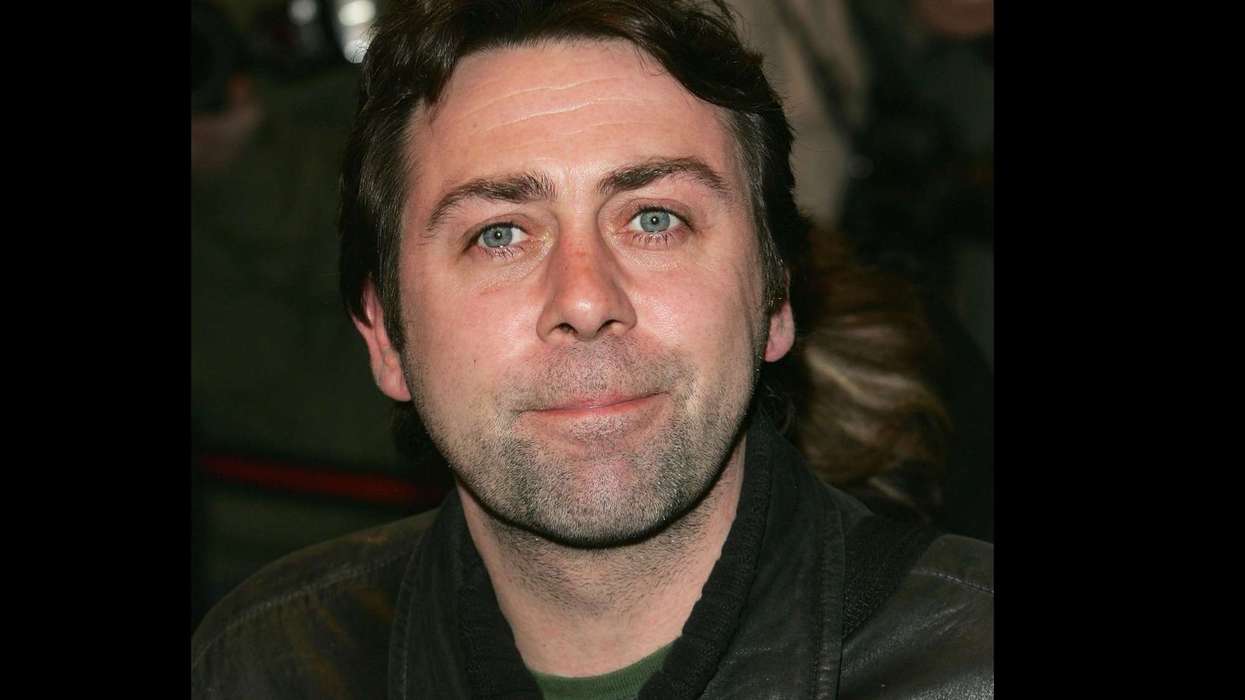

Highlights
- Estate of Sean Hughes finally granted to Shelter
- Legal dispute stemmed from ambiguities in handwritten will
- Three north London properties at centre of High Court case
- Ruling honours comedian’s stated intention to support homelessness charity
A will in limbo for nearly a decade
Almost nine years after the death of Sean Hughes, his £4 million estate has been awarded to Shelter, bringing a prolonged legal dispute to a close.
The comedian, who died in 2017 aged 51, had intended for his properties to go to the charity. However, unclear wording in a will he drafted himself meant the matter had to be resolved by the High Court in London.
At the centre of the case was Hughes’s reference to “my three houses”, despite technically owning only one property in his own name. Two others were held through a company in which he was the sole shareholder, creating uncertainty over how the assets should be distributed.
Court ruling confirms charity as beneficiary
A judge has now ruled that the correct interpretation of the will was that the company shares, and therefore the properties, should pass to Shelter.
The estate includes a £1.8 million home in Crouch End and two further properties in the same area, valued at around £1.5 million and £650,000. Had the court decided differently, those assets could have formed part of the wider estate to be held in trust for Hughes’s family.
Both the comedian’s family and the charity supported the outcome, agreeing that his intention had always been to benefit Shelter.
A legacy beyond comedy
Sean Hughes rose to prominence in the alternative comedy scene of the 1980s and became the youngest winner of the Perrier Comedy Award at 24. He went on to front Sean’s Show and was a familiar face on Never Mind the Buzzcocks, where he appeared for several years as a team captain.
Beyond television and stand-up, he also wrote novels and poetry and worked in radio.
Following the ruling, Shelter said the donation would play a significant role in supporting its work, describing gifts left in wills as a vital source of funding for tackling homelessness and providing housing advice.
The judgment not only settles a long-running legal question but ensures that Hughes’s intended legacy, supporting those without secure housing, is now fulfilled.