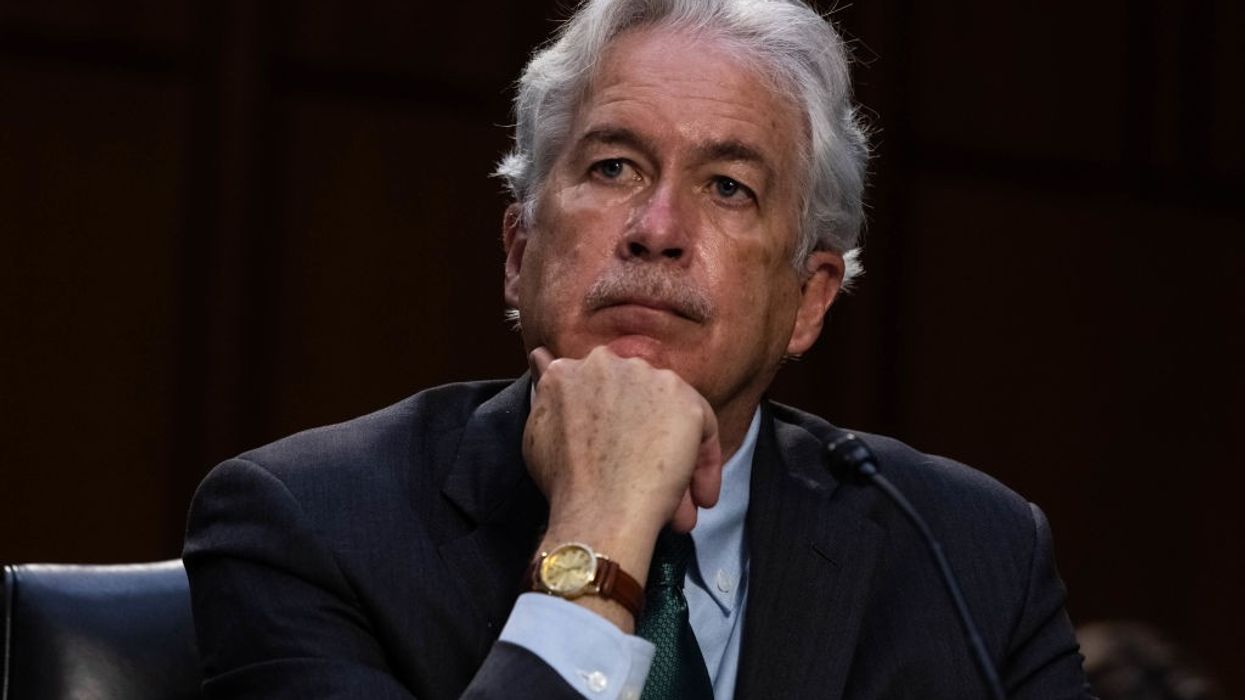

AMERICA'S Central Intelligence Agency (CIA) director William Burns on Thursday (9) met Pakistan Army chief General Qamar Javed Bajwa and ISI head Lt Gen Faiz Hamid.
They discussed regional security issues and the current situation in Afghanistan, the Pakistan Army's media wing, Inter-Services Public Relations (ISPR), said in a statement.
The meeting was held after the Taliban on Tuesday (7) unveiled a hardline interim government with at least 14 members of the cabinet, including acting prime minister Mullah Mohammad Hasan Akhund, being on the UN Security Council's terror blacklist.
Burns and Bajwa exchanged views on matters of mutual interest, regional security and the current situation in Afghanistan, ISPR said, adding Inter-Services Intelligence (ISI) director general Hamid was also present during the meeting.
“It was reiterated that Pakistan remains committed to cooperating with its international partners for peace in the region and ensuring a stable and prosperous future for (the) Afghan people,” the statement said.
Burns' Islamabad visit came days after the ISI chief dashed to Kabul on an unannounced visit last week and met Taliban leader Mullah Abdul Ghani Baradar.
It is the first high-level visit by a US official to Pakistan after the completion of its withdrawal from Afghanistan on August 31.
Before coming to Pakistan, Burns, accompanied by a few officials, reportedly paid a quiet visit to India, primarily to discuss ways to mitigate security threats that may emanate from Afghanistan.
It was learnt that Burns held talks with India’s National Security Advisor (NSA) Ajit Doval and a number of senior officials of the National Security Secretariat on Tuesday (7).
However, there was no official statement on the visit by either the Indian security establishment or the US embassy in New Delhi.