
- Chinese goods entering the UK at lower prices as exports shift from the US.
- Cheaper imports begin to offset rising energy-driven inflation.
- Earlier warnings on trade diversion now visible in real market trends.
A wave of cheaper Chinese goods is flowing into the UK, offering some relief to households even as energy costs rise due to the Iran conflict. The shift, driven by US tariffs on Chinese exports, is beginning to show up clearly in both prices and trade volumes.
In the first two months of 2026, UK sales of China-made goods grew more than three times as fast as in 2025, as exporters redirected shipments away from the US. Exports to the US have fallen by 29 per cent year-on-year, while sales to the UK have risen by 9 per cent and to the EU by 15 per cent.
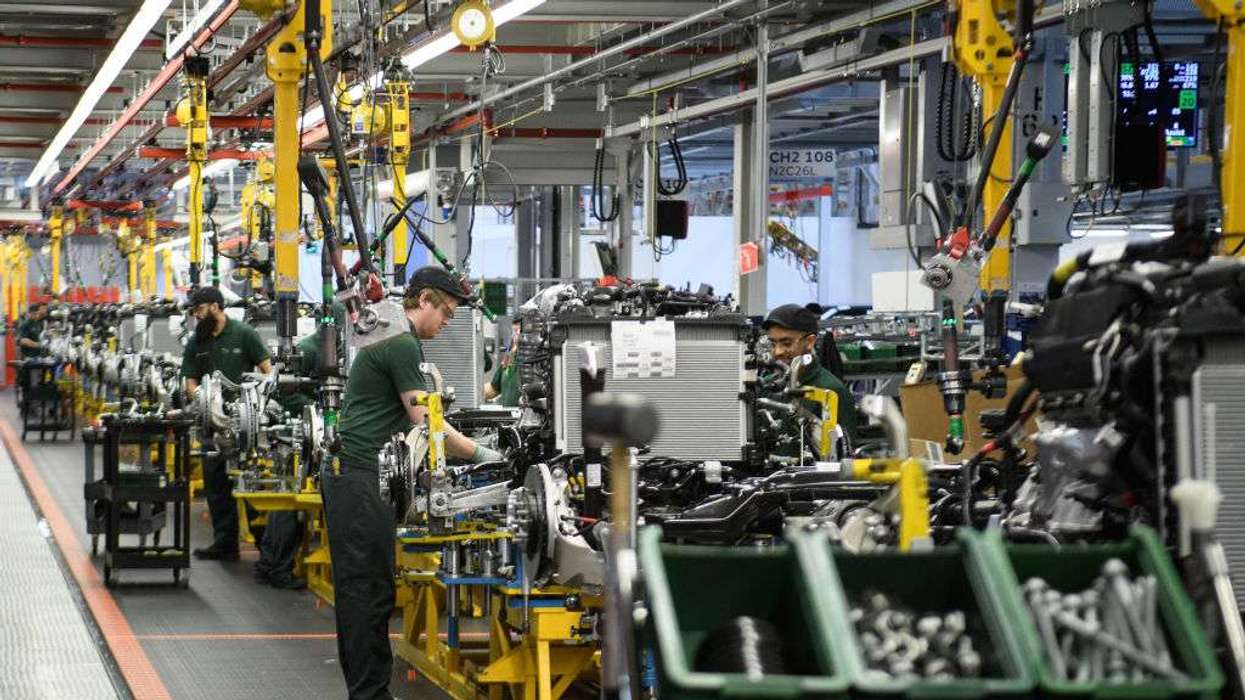
Prices are also moving lower. Among the top goods shipped to Britain, more than half have seen price declines compared to a year earlier. Car exports — China’s largest category to the UK — have dropped by 4.6 per cent in price, even as volumes more than doubled. Other consumer goods, including electronics, furniture and bags, are also arriving in greater quantities at lower prices.
China’s trade surplus has now crossed £750 billion ($1 trillion), highlighting the scale at which goods are being pushed into global markets as demand weakens elsewhere.
Inflation pulled in opposite directions
The influx of cheaper imports is beginning to act as a counterbalance to rising inflation in the UK. The Bank of England expects inflation to increase to around 3.5 per cent in March, up from 3 per cent, largely driven by higher fuel costs linked to the Iran conflict. Further increases in gas and electricity bills later in the year could push inflation well above the 2 per cent target.
However, economists suggest cheaper imports may help soften that rise. Barret Kupelian, chief economist at PwC UK, reportedly said in a news report that the trend is “good news for inflation”, as it could offset part of the energy-driven pressure.
Bank of England Governor Andrew Bailey has also pointed to the impact of cheaper Chinese imports, indicating they have contributed to relatively weak goods inflation, as quoted in a news report.
Alan Taylor, a member of the Bank of England’s rate-setting committee, reportedly said that earlier estimates of the downward impact on inflation — around 0.2 percentage points in 2026 and 2027 — may be “quite conservative”.
The current trend reflects what economists and policymakers had begun to signal months earlier. Data from late 2025 showed Chinese exports being redirected towards markets such as the UK and Europe, as US tariffs reduced demand.
At the time, the Bank of England noted that this trade diversion could have a “slightly disinflationary impact” on the UK, as quoted in a news report. Stephen Millard of the National Institute of Economic and Social Research also indicated that Chinese exporters were likely to expand into markets like the UK.
That shift now appears more pronounced, with falling prices and rising volumes reinforcing those earlier expectations.
Relief for now, but questions remain
While cheaper imports may offer short-term relief, there are concerns about how long the trend can continue. China’s export prices have been falling for most of the period since May 2023, driven by excess capacity and intense competition within its domestic market.
At the same time, rising oil prices linked to the Iran conflict could increase production and transport costs, potentially reversing the decline in export prices.
There are also risks for UK industries facing increased competition from low-cost imports. The government has already moved to tighten steel import quotas from July 1 and raise tariffs on volumes exceeding those limits.
For now, the UK appears to be benefiting from an unusual overlap of global forces — with cheaper imports helping to cushion rising costs. But whether that balance holds will depend on how both trade and energy pressures evolve in the months ahead.