CHINA has agreed to reschedule more than $2 billion debt of Pakistan for two years, providing a major relief to the cash-starved government, which is in the process of rebuilding foreign exchange reserves through fresh loans.
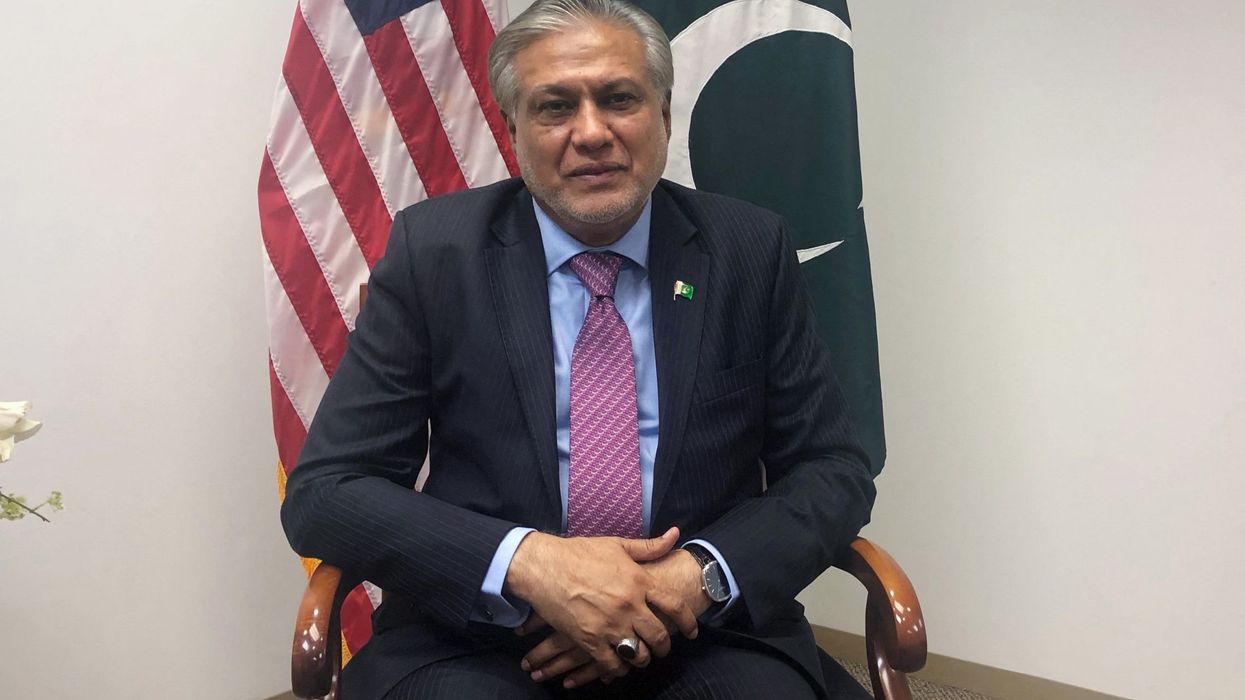
Pakistan’s Economic Coordination Committee (ECC), chaired by finance minister Ishaq Dar on Thursday (20), approved the revised terms of the agreement reached between Islamabad and Beijing, according to senior Pakistani officials, the Express Tribune reported.
Pakistan has built two nuclear power plants in Karachi that have a combined generation capacity of 2,117 megawatts. The total cost of the plants is $9.5 bn, including the $6.5 bn financing from China.
The loan was extended by the Export-Import (Exim) Bank of China. Of $2 bn, more than $625 million was maturing in this fiscal year that will now be paused. The $6.5 bn is a publicly guaranteed debt, and more than $2 bn repayments were maturing in two years that China has agreed to make a pause on, according to senior officials.
The Ministry of Finance did not officially make a statement about the ECC's stamp of endorsement to the revised agreement with China.
China has, time and again, helped Pakistan meet its debt obligations through the provision of new loans and the rollover of the existing debt.
China prematurely refinanced its $1.3 bn commercial loans in June, which helped Pakistan avoid a default on its international debt obligations during the period when the International Monetary Fund programme was stalled.
After the signing of the new IMF programme, Pakistan's gross official foreign exchange reserves have bounced back to $8.7 bn – up from the critically low level of $4.5 billion before the IMF deal.
Earlier, Prime Minister Shehbaz Sharif said that China rolled over more than $5 bn in loans.
(PTI)
China agrees to reschedule $2 billion debt of Pakistan
Beijing has previously helped Islamabad meet its debt obligations through new loans and the rollover of the existing debt