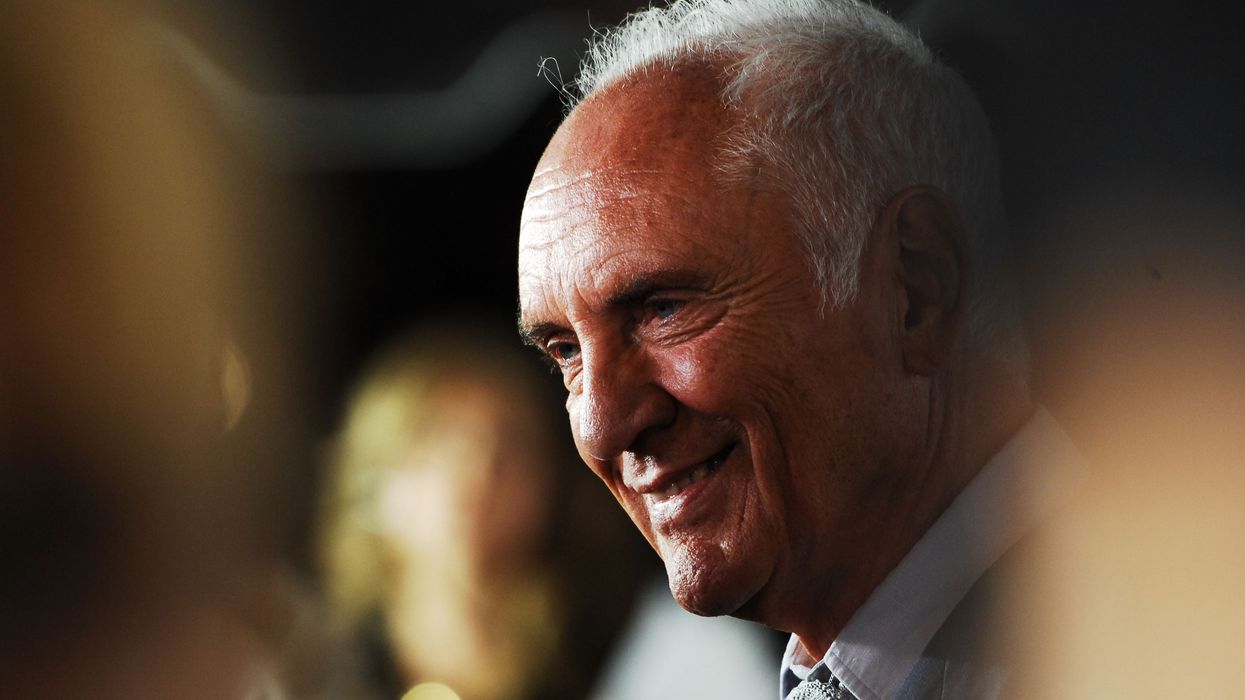

Highlights
- Oscar-nominated debut in Billy Budd (1962)
- Immortalised as General Zod in Superman (1978 & 1980)
- Career revival in The Hit (1984)
- Missed iconic roles like James Bond and Alfie
- Final performance in Last Night in Soho (2021)
Terence Stamp never played life safely. He wasn’t the sort of actor who coasted on charm or looks, though he had both in abundance. Instead, he kept disappearing and reappearing, reinventing himself each time, with roles that felt daring, unsettling, or quietly revolutionary. He could have been a matinée idol forever, but that would’ve been boring. Stamp preferred to be unpredictable.
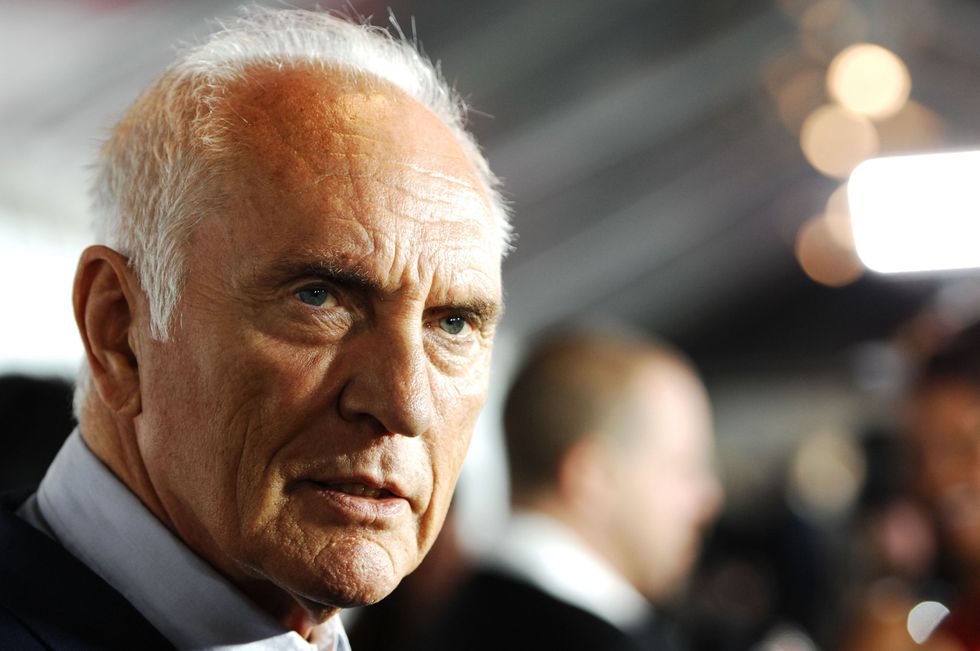 10 unforgettable roles that made Terence Stamp a legendGetty Images
Here are ten turning points that tell the story of an actor who refused to be ordinary.
1. Billy Budd (1962) — the angelic debut
Stamp began with a thunderclap. His first film role, as the doomed sailor in Billy Budd, earned him an Oscar nomination and a Golden Globe. Critics called him the face of Britain’s “angry young men.” It was a beginning that announced a star.
- YouTube youtu.be
2. The Collector (1965) — darkness at Cannes
Playing the butterfly-obsessed kidnapper Freddie Clegg, Stamp chilled audiences with a mix of vulnerability and menace. He won Best Actor at Cannes, proving he wasn’t content to be just beautiful, he wanted to disturb.
- YouTube youtu.be
3. Spirits of the Dead (1968) — Fellini’s decadent Englishman
When Federico Fellini singled him out as “the most decadent English actor,” it wasn’t an insult. Stamp leaned into the description, playing a drunken actor lured by the devil. The part cemented his image as an enigmatic outsider and led him deeper into European arthouse cinema.
- YouTube youtu.be
4. General Zod in Superman (1978 & 1980) — “Kneel before Zod”
After nearly a decade in retreat, including years in an Indian ashram, Stamp returned with fire. As Superman’s Kryptonian nemesis, he turned a comic-book villain into an unforgettable cultural figure. His command: “Kneel before Zod!” became legend.
- YouTube youtu.be
5. The Hit (1984) — the comeback gangster
In Stephen Frears’ The Hit, Stamp played Willie Parker, a gangster waiting for death. The role was quiet, philosophical, almost weary, a man facing the inevitable. It revived his career with the force of understatement.
- YouTube youtu.be
6. Priscilla, Queen of the Desert (1994) — dignity in sequins
Few actors of his era would have taken the risk. Stamp did. As Bernadette, a transgender woman crossing the Outback with two drag queens, he gave a performance full of grace, humour, and resilience. He earned Golden Globe and BAFTA nominations and left a lasting mark on queer cinema.
- YouTube youtu.be
7. The Limey (1999) — revenge with a broken heart
Steven Soderbergh handed him one of his greatest roles: Wilson, a Cockney ex-con chasing answers about his daughter’s death. Stamp played him with raw fury, grief, and weary toughness. The use of old footage from his 1960s films made it a haunting dialogue between the young man he was and the old lion he had become.
- YouTube youtu.be
8. Icon of Swinging London
Stamp wasn’t just on the screen in the 1960s, he was the era. Photographed by David Bailey, dating Jean Shrimpton and Julie Christie, rumoured muse for Waterloo Sunset, he embodied a time when London thought it could change the world. His film roles in Modesty Blaise and Far from the Madding Crowd made him the face of stylish rebellion.
 10 iconic roles that define Terence Stamp\u2019s career \u200bGetty Images
9. The roles he turned down
He wasn’t afraid to say no. Stamp refused Alfie, opening the door for Michael Caine’s breakthrough, and lost the chance to play James Bond when producers balked at his radical take on the character. Those decisions say as much about him as the parts he did play.
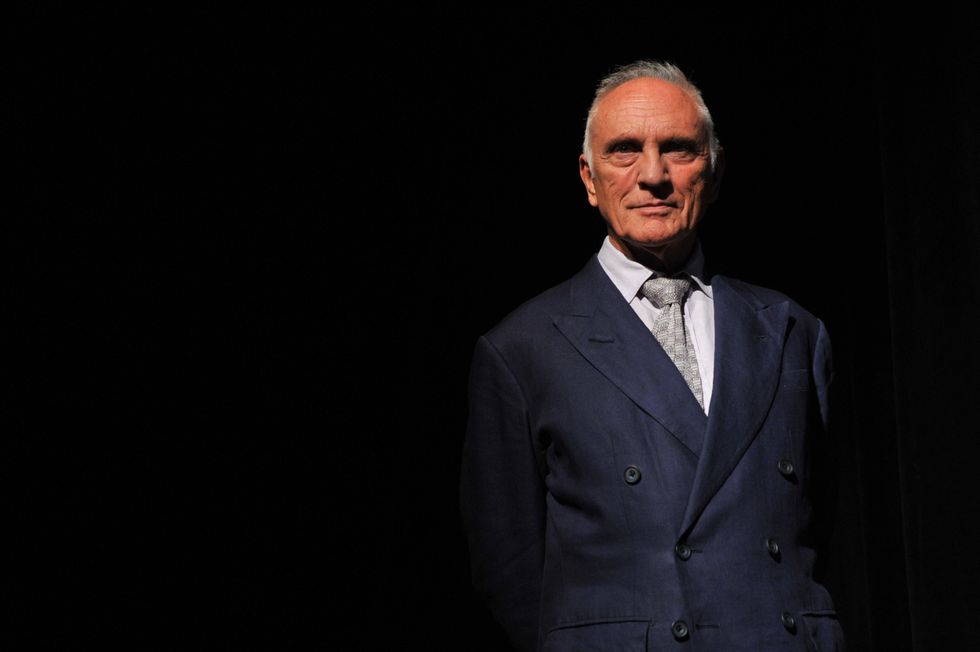 10 standout performances that made Terence Stamp a star Getty Images
10. Last Night in Soho (2021) — full circle
In Edgar Wright’s eerie thriller, Stamp played a silver-haired gentleman prowling London’s night streets. It was a ghost of his own past, the Swinging Sixties icon turned into a shadow. A fitting final bow.
- YouTube youtu.be
A restless legacy
Terence Stamp’s career wasn’t tidy. He didn’t climb neatly upward, collecting blockbusters or safe roles. He wandered, disappeared, re-emerged. He risked ridicule for the chance to surprise. He could be angelic, monstrous, or quietly devastating.
That restlessness was his power. And it’s why, even now, his career doesn’t feel like a story with an ending, it feels like a challenge he left behind: don’t settle, don’t coast, don’t play it safe.