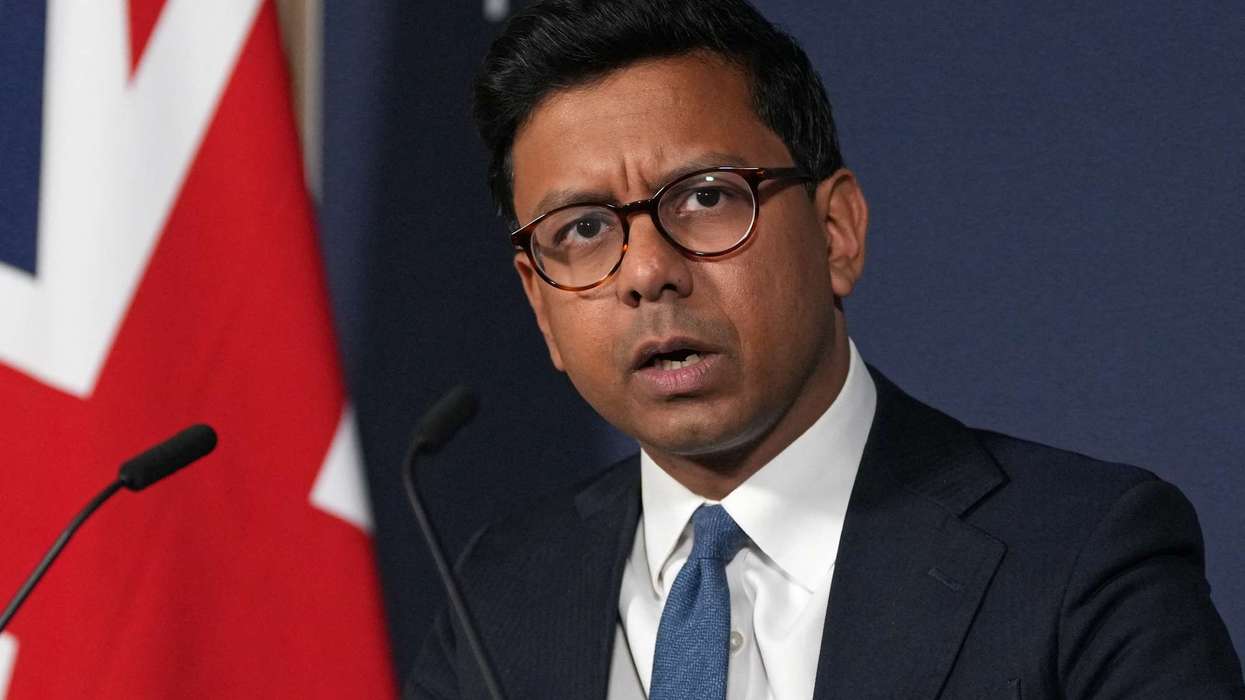
A lobbying row has erupted after it was out in public domain that the former prime minister David Cameron has sent texts to chancellor Rishi Sunak and two other ministers seeking help for Greensill Capital.
As reported in Financial Times, a friend of Cameron said he now thinks it would have been better to approach the Treasury by writing a formal letter.
The former Conservative leader is yet to make a comment himself on the matter.
The Treasury on Thursday (8) published two of Sunak's replies to Cameron, where in one the chancellor said he had "pushed the team to explore an alternative".
Reports suggest that Cameron had messaged Sunak multiple times and the chancellor decided to publish his two replies "in order to reassure beyond doubt that there was no wrongdoing and that he acted with integrity and propriety".
Labour's shadow chancellor, Anneliese Dodds, said the messages "raise very serious questions about whether the chancellor may have broken the ministerial code" as they suggested the firm "got accelerated treatment and access to officials".
After leaving office, Cameron worked as an adviser to Greensill Capital, which has now collapsed. The financial firm, a major financer of Sanjeev Gupta-owned Liberty Steel, has now put the future of the steelmaker and its over 5,000 employees at stake.
Last year, working for Greensill, Cameron had texted ministers in the Treasury to appeal for government-backed loans at the outbreak of the pandemic. However, later the requests were rejected by the Treasury.
Cameron was investigated by a watchdog, but was later cleared in March.