
Highlights:
- Emma Heming Willis says Bruce Willis’ frontotemporal dementia symptoms first appeared like a “whisper.”
- The actor remains physically strong but struggles with language and communication.
- Heming Willis has written a new book, The Unexpected Journey, on caregiving.
- She is now advocating for more support for families living with dementia.
Emma Heming Willis has shared a moving update on husband Bruce Willis’ health, describing how his frontotemporal dementia (FTD) first appeared as a “whisper” through subtle changes in his behaviour. Speaking in a new ABC News special, Emma & Bruce Willis: The Unexpected Journey, she revealed that while the Die Hard star remains physically healthy, it is his mind that is deteriorating. Heming Willis also discussed her new book on caregiving and her mission to support other families navigating dementia.
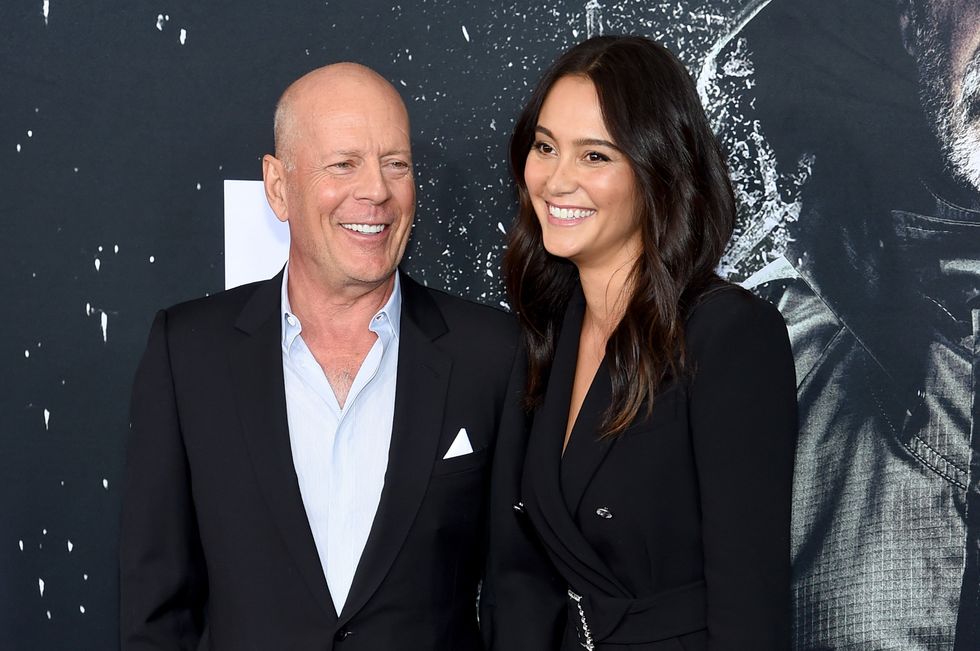 Emma Heming Willis shares emotional insight into Bruce Willis’ battle with frontotemporal dementia Getty Images
What happened to Bruce Willis’ health?
Bruce Willis was diagnosed with frontotemporal dementia in 2023, a rare brain condition that impacts behaviour, personality, and communication. Unlike Alzheimer’s, which often begins with memory loss, FTD frequently shows up through changes in how a person behaves or expresses themselves.
For Willis, best known for his action hero roles in Die Hard and Armageddon, the primary symptom has been the loss of language. “The language is going, and we’ve learned to adapt,” Heming Willis said, explaining that the family now communicates with him in different ways.
She described the condition as “his brain failing him,” even as his physical strength and mobility remain intact.
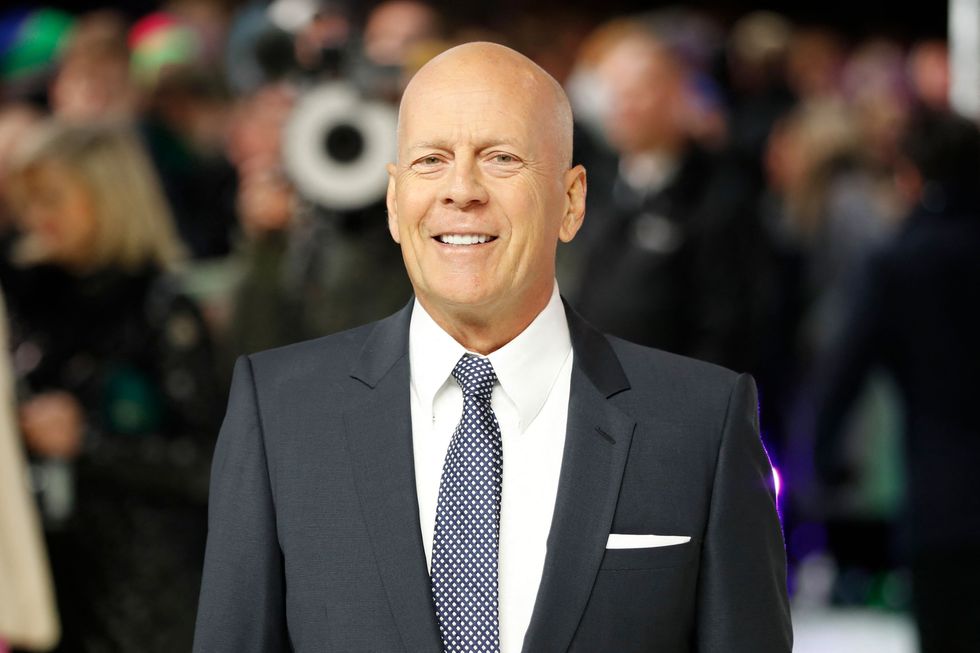 Bruce Willis continues to show strength despite dementia affecting his language and communicationGetty Images
What were Bruce Willis’ first dementia symptoms?
Heming Willis explained that the earliest signs of FTD were difficult to spot and easy to dismiss. The actor, who was once warm and affectionate, began to withdraw emotionally and drift away from family activities he had always enjoyed.
“It felt a little removed, very cold, not like Bruce,” she recalled. “To go the complete opposite of that was alarming and scary.” These early changes, which she called a “whisper,” later developed into clearer symptoms of dementia.
Doctors confirmed the diagnosis of FTD in 2023, but Heming Willis said she was handed only a pamphlet and told there was no available treatment. She described the experience as feeling like she was “free falling.”
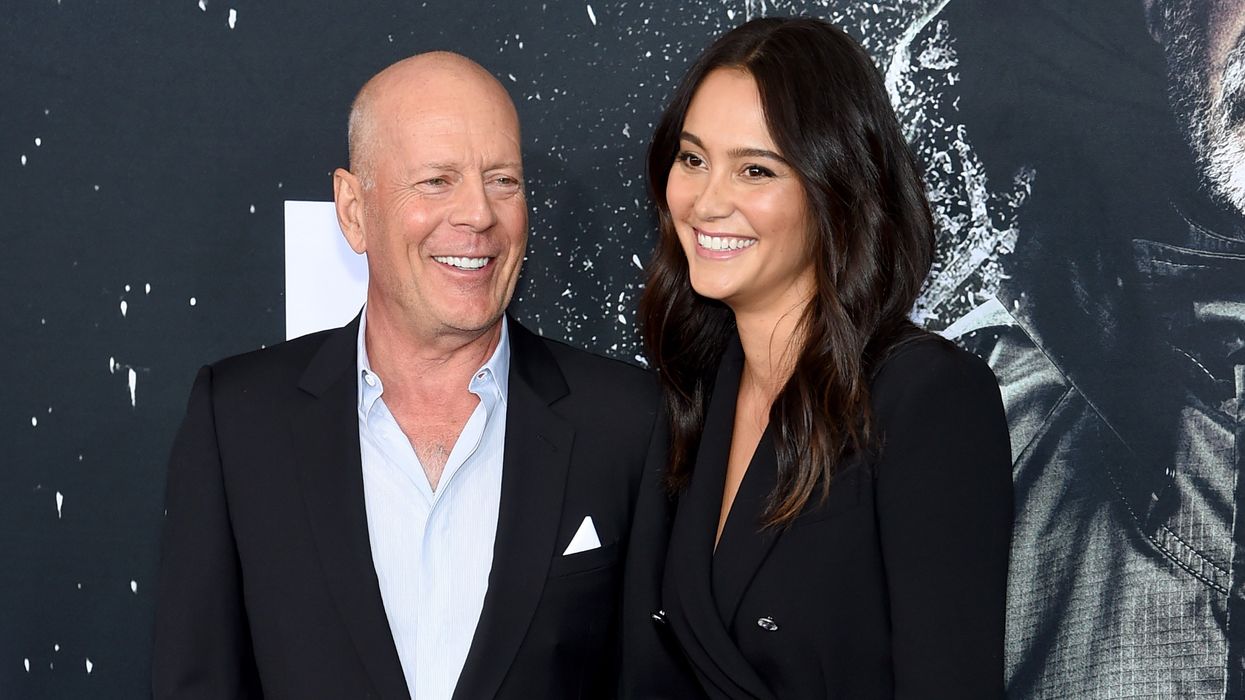
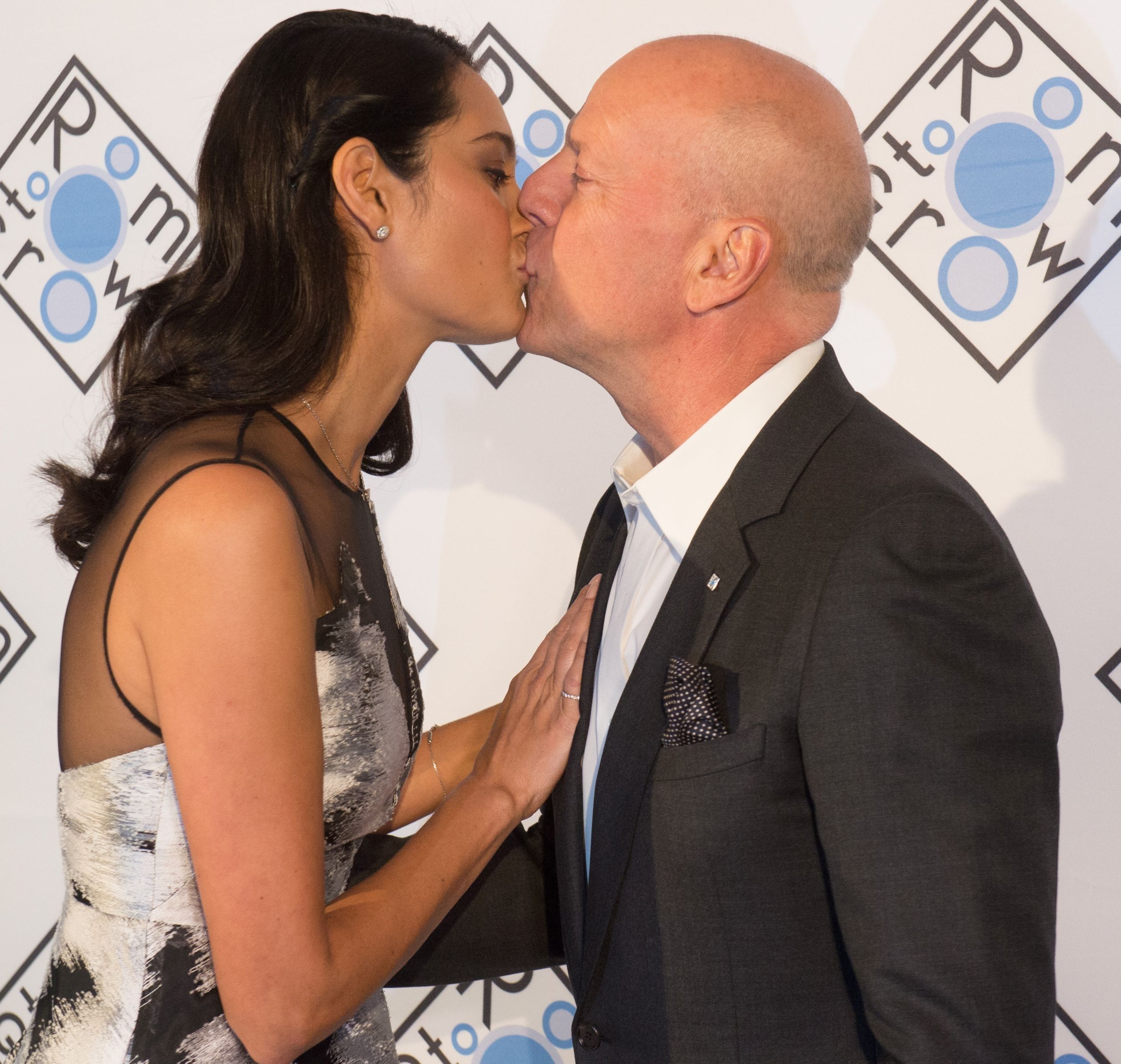 Emma Heming Willis and Bruce Willis arrive for the annual "Room To Grow" Spring benefit in 2017Getty Images
How is Bruce Willis’ family coping?
The Willis family has adjusted their lives around his illness. Emma admitted that, in the beginning, she tried to manage caregiving alone, staying awake at night to ensure his safety and withdrawing from social gatherings to make his life more comfortable.
Over time, she realised the importance of building support and sharing the responsibility. Today, the couple’s daughters, Mabel, 13, and Evelyn, 11, continue to see glimpses of their father’s old self. “Not days, but we get moments,” she told Diane Sawyer. “It’s his laugh, his smirk, that twinkle in his eye. As quickly as those moments appear, they go. But I’m grateful he’s still here.”
His older daughters with Demi Moore, Rumer, 37, Scout, 34, and Tallulah, 31, also remain close and united around him. Rumer recently said the family is “doing great” and cherishing their togetherness.
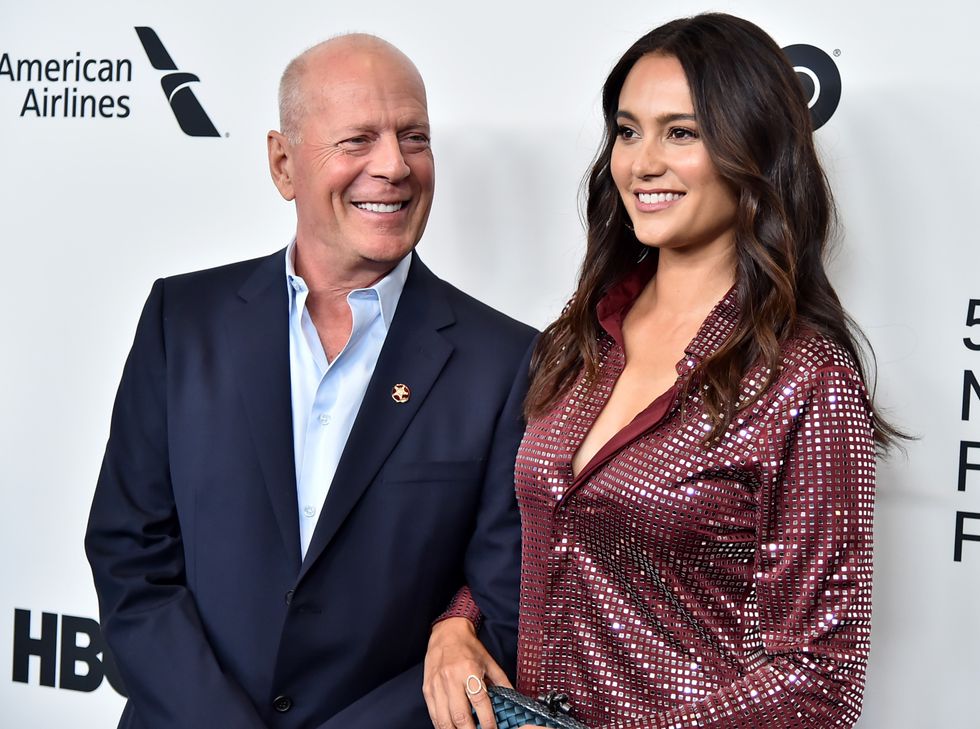 Bruce Willis’ dementia started as a whisper, Emma Heming reveals in emotional family confessionGetty Images
Why is Emma Heming Willis speaking out?
The diagnosis pushed Heming Willis, a model and entrepreneur who had preferred to avoid the spotlight, into advocacy. She is using her platform to raise awareness about dementia and call for greater support for caregivers, who are often overlooked in healthcare conversations.
Her new book, The Unexpected Journey: Finding Strength, Hope, and Yourself on the Caregiving Path, will be released on 9 September. It documents her experience and aims to serve as a guide for others navigating similar challenges. “Born from grief, shaped by love, and guided by purpose, this is the book I needed back when Bruce was first diagnosed,” she said.