
Most British household energy bills will fall from April after regulator Ofgem cut its domestic price cap by 12.3 per cent to its lowest level in more than two years.
The drop, prompted by lower wholesale energy prices, will provide some respite for households struggling to contend with a cost of living crisis while also helping to curb inflation.
Ofgem's new cap of £1,690 a year for average use of electricity and gas is down £238 from the previous cap of £1,928.
"This will see energy prices reach their lowest level since Russia’s invasion of Ukraine in February 2022," Ofgem said.
Ofgem said that while the drop is good news for consumers there are still challenges in the energy market, with a record £3.1 billion in unpaid bills.
The watchdog has allowed suppliers to include within the cap a temporary charge equivalent to £28 a year to help them to cover consumer bad debt.
“But longer term, we need to think about what more can be done for those who simply cannot afford to pay their energy bills even as prices fall,” said Ofgem CEO Jonathan Brearley.
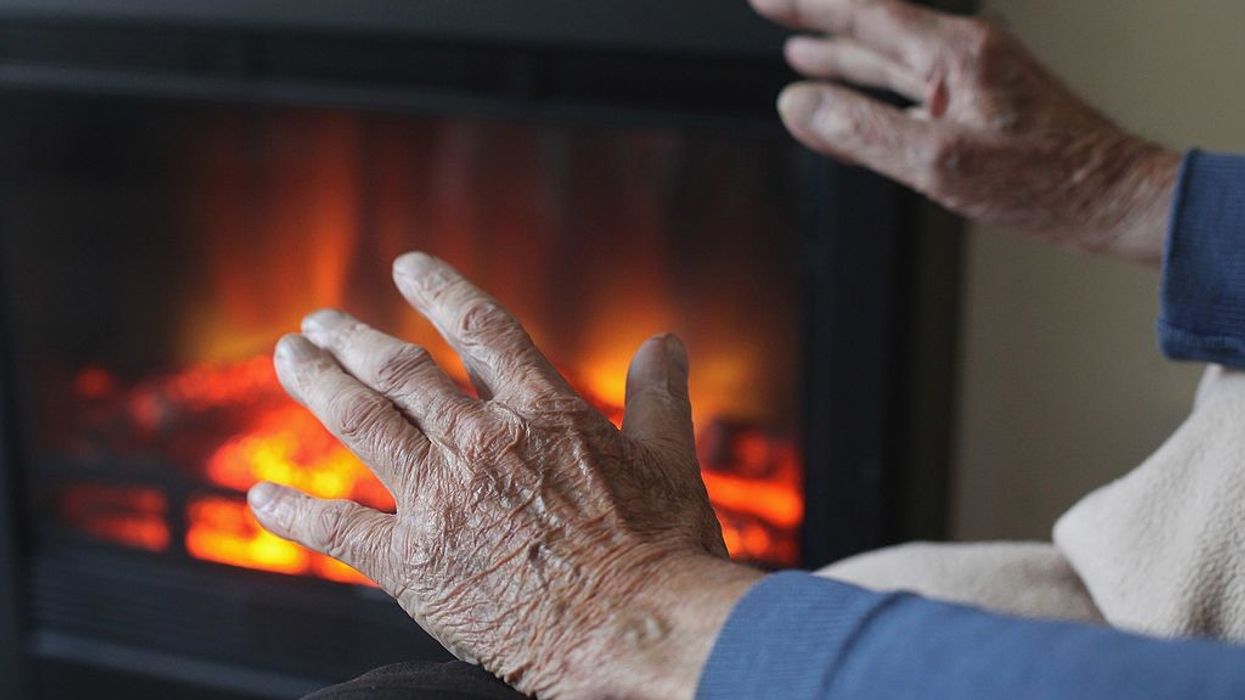
Campaign group National Energy Action said that six million households would remain in fuel poverty despite the reduced price cap. Fuel poverty is defined as being unable to afford to heat homes to temperatures needed to stay warm and healthy.
In a separate announcement, the government said it would gather views on how standard energy deals can be made more flexible to enable customers to pay less if using electricity when prices are lower, adding that £10 million is available to help companies test new technologies and tariffs.
About 29 million customers are on standard rate tariffs covered by the price cap, which was introduced in 2019 to protect consumers.
The cap is set using factors such as network fees and social and environmental costs as well as wholesale energy prices. It is updated every quarter to reflect changes to those costs.
The Ukraine war and subsequent energy price spike fuelled rocketing UK inflation - which remains elevated - and a cost-of-living crisis for millions of Britons.
Yet energy prices remain stubbornly high while UK state assistance has now been fully withdrawn.
"Households have been battered by surging energy costs over the past couple of years and as government support fully comes to an end, there will be many people still terrified when temperatures outside plummet," said Danni Hewson, head of financial analysis at AJ Bell.
She added: "The price of keeping the lights on and rooms warm is still uncomfortably high."
UK inflation has tumbled since striking a 41-year peak of 11.1 per cent in October 2022, though it held steady in January 2024 at 4.0 per cent, double the Bank of England's official target level.
Campaigner Simon Francis, co-ordinator of the End Fuel Poverty Coalition, argued that energy prices remain 60 per cent higher than before the crisis began - even after the latest Ofgem announcement.
"Three years of staggering energy bills have placed an unbearable strain on household finances up and down the country," noted Francis.
"Household energy debt is at record levels, millions of people are living in cold damp homes and children are suffering in mouldy conditions." (Agencies)