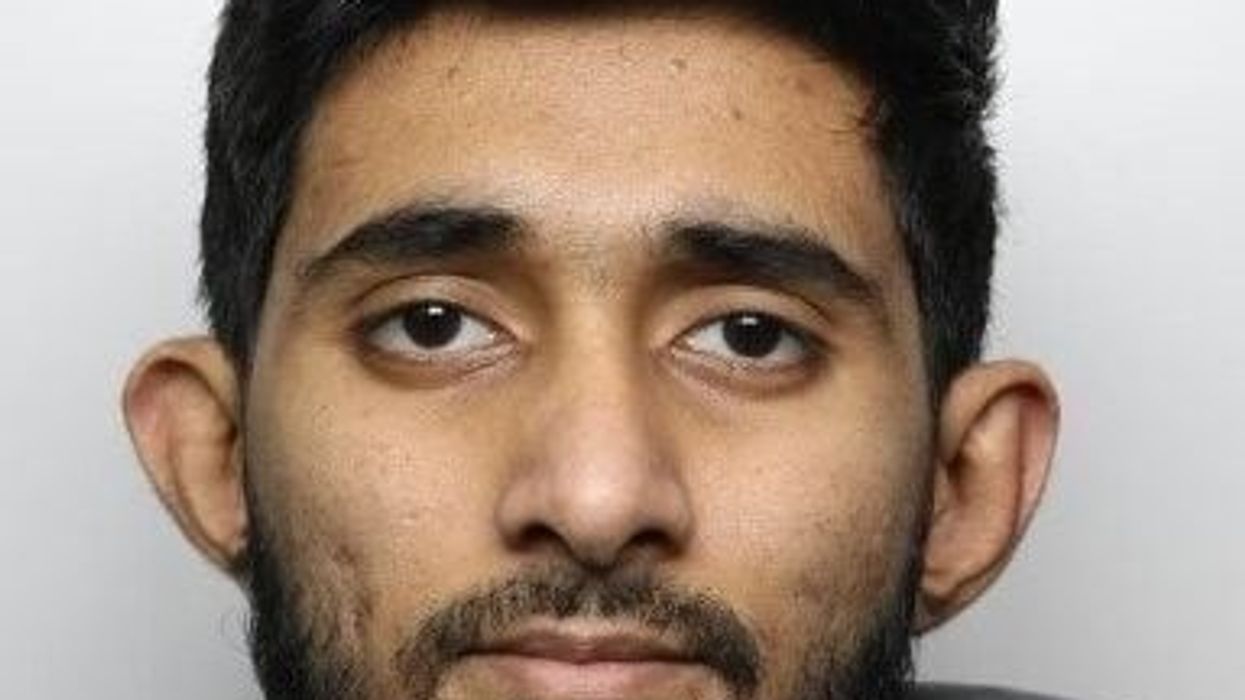

THE husband of Kulsuma Akter, who was stabbed to death in Bradford last Saturday (6), has appeared in court charged with her murder.
Akter, 27, was attacked near Westgate in the city centre, while she was pushing her child in a pram. She succumbed to her injuries in hospital.
Her baby son was not harmed in the attack.
Habibur Masum, 25, from Burnley, was charged on Wednesday after he was arrested following a three-day manhunt.
Masum, of Leamington Avenue, has also been charged with possession of a bladed article.
He appeared at Bradford Magistrates' Court earlier and was remanded to appear at the crown court on Friday.
During the hearing, Masum spoke only to confirm his name, age, and address.
Akter's cousin Aftab Miah told the BBC she had come to the UK from Bangladesh two years ago with her husband, who was studying in the UK.
Masum was arrested in Aylesbury, Buckinghamshire, on Tuesday.
Four other men were arrested in Aylesbury on suspicion of assisting an offender have been released on bail.
The men aged 23, 26, 28, and 29, are from the West Midlands area, West Yorkshire Police said.
Earlier, a 23-year-old man was arrested on Monday in the Cheshire area on suspicion of assisting an offender. He too has been released on bail, police added.