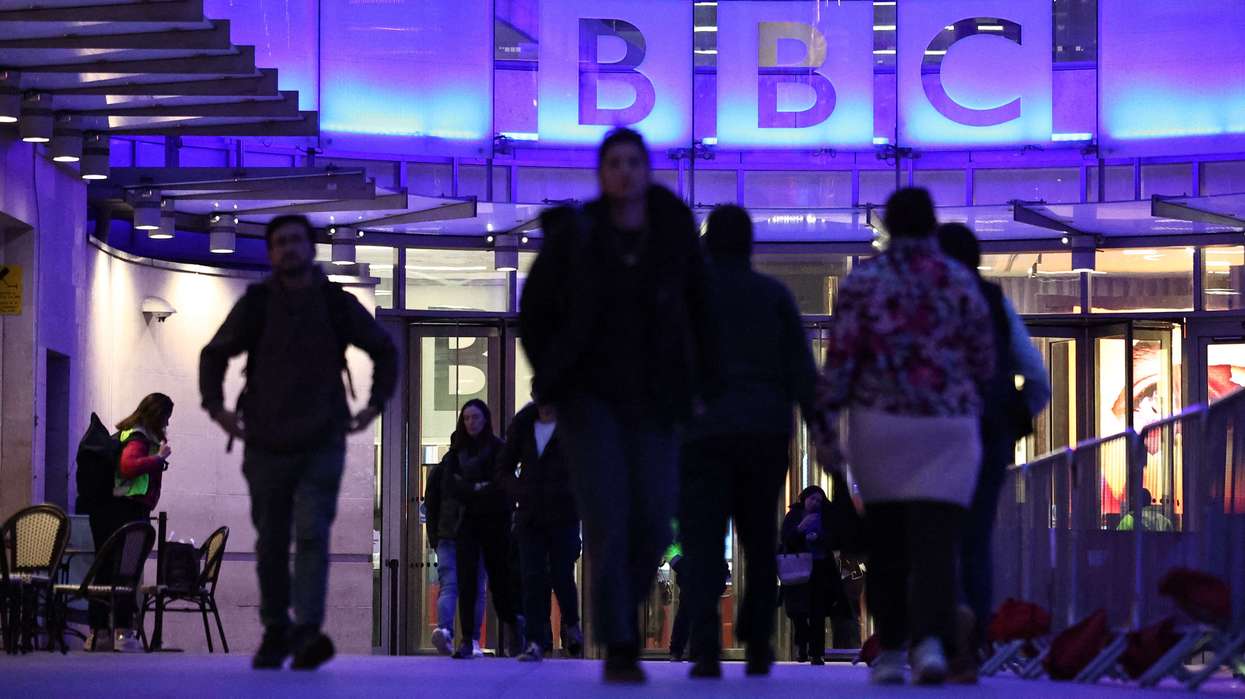
IT WAS ONCE almost a household event if an Asian face was spotted on the BBC. Beyond Madhur Jaffrey’s cookery shows, there were slim pickings. The first episode of Eastenders did feature Saeed and Naimi enduring an unhappy arranged marriage while running the grocery store. It was mostly the dedicated early Sunday morning community slot - the paternalistic output of the Immigrant Programming Unit - which sought to reflect the Asian presence in Britain, allowing minority staff to produce special content for minority audiences until the 1990s.
BBC output better reflects British society today. It has a charter obligation to "accurately and authentically represent and portray the lives of the people of the UK today”. A new thematic review of portrayal and representation offers a valuable account of its progress, blindspots and future challenges - and how the BBC can navigate the cross-pressures of a changing society where questions of identity can be fiercely contested.
The audience insight research shows that most people are balancers, not culture warriors, on representation - often obscured by those with the strongest views, from whichever flank, being most vocal. Seven out of ten people think it is important the BBC reflects British society back to ourselves, and often hold the licence-fee funded corporation to higher standards than other media outlets. Across every demographic, people self-identify with our values, friends and family, work and hobbies, as much or more than our demographic characteristics, but see the portrayal of identity and culture to the rest of society as significant, too.
More people - across demographic groups - are content than discontent with how the BBC portrays people like them, and society as a whole, though it is still seen as London-centric and skewed to middle-class. A vocal minority do feel there are too many black, Asian and gay people on the telly these days - but most white British people do not think that, with younger audiences especially unlikely to do so. Forty-five per cent of people across ethnic minority groups find the BBC is effective in providing relevant content to them, compared to 56 per cent of white respondents, with different patterns by generation, geography and social class.
This thematic review found commissioners often not particularly well informed about changing demographics of the UK. BBC staff, like the public at large, often do not realise the British Asian population – nine per cent of the UK, and a tenth of England and Wales - is around twice the size of the black British population. Ironically, this is in large part because cultural presence on the BBC has the inverse pattern, which could make it self-reinforcing. A London-centric BBC: over half the black British population lives in greater London, though the Asian population in the capital itself is of similar size.
The review finds a significant Asian presence in news and current affairs, where there is little black presence, beyond the high-profile example of Clive Myrie. There is a normalised everyday diversity in children’s programmes. But Romesh Ranganathan apart, there is strikingly little Asian presence in entertainment programmes. A survey of twenty-four newly originated BBC drama series had six with black protagonists, two with mixed protagonists, and sixteen with white lead characters. There were no Asian main characters in any of the 39 new or returning series surveyed, with some presence in the supporting cast. East Asians are much harder to find on-air than south Asians. Poles are invisible - with just a smattering of stories told over the last two decades in which east Europeans have become one of the largest minority groups. The BBC should not wait to be lobbied to fulfil its mission to portray newer minority voices, too.
Co-authors Anne Morrison and Chris Banatvala focus on a valuable distinction. Representation - how much a group is present - can be captured in data, but portrayal - how groups are depicted - is qualitative and subjective. Both matter. Without the data, claims and counter-claims about representation cannot be scrutinised. But, the ultimate goal should be to normalise inclusion and diversity at all levels. A fair share of voice at the top table will be much more effective than asking traditional holders of power to check their privilege. It is the “I am normal, you are diverse” worldview that produces box-ticking tokenism, which the review authors heard criticised “as much by those seeking greater representation of minority groups as those who thought there was already too much”. Protected characteristics were designed to prevent discrimination. The BBC’s goal of holding up a mirror to the nation requires subtly different methods - and should bring geography and region into its thinking about inclusion.
This is an important year for the BBC’s long-term future. These insights into how a national broadcaster can find the confidence and the tools to rise above culture war clashes offers wider lessons, too, for how to talk and act on equality and diversity for inclusion to involve everybody - not a zero-sum tug-of-war between different groups.
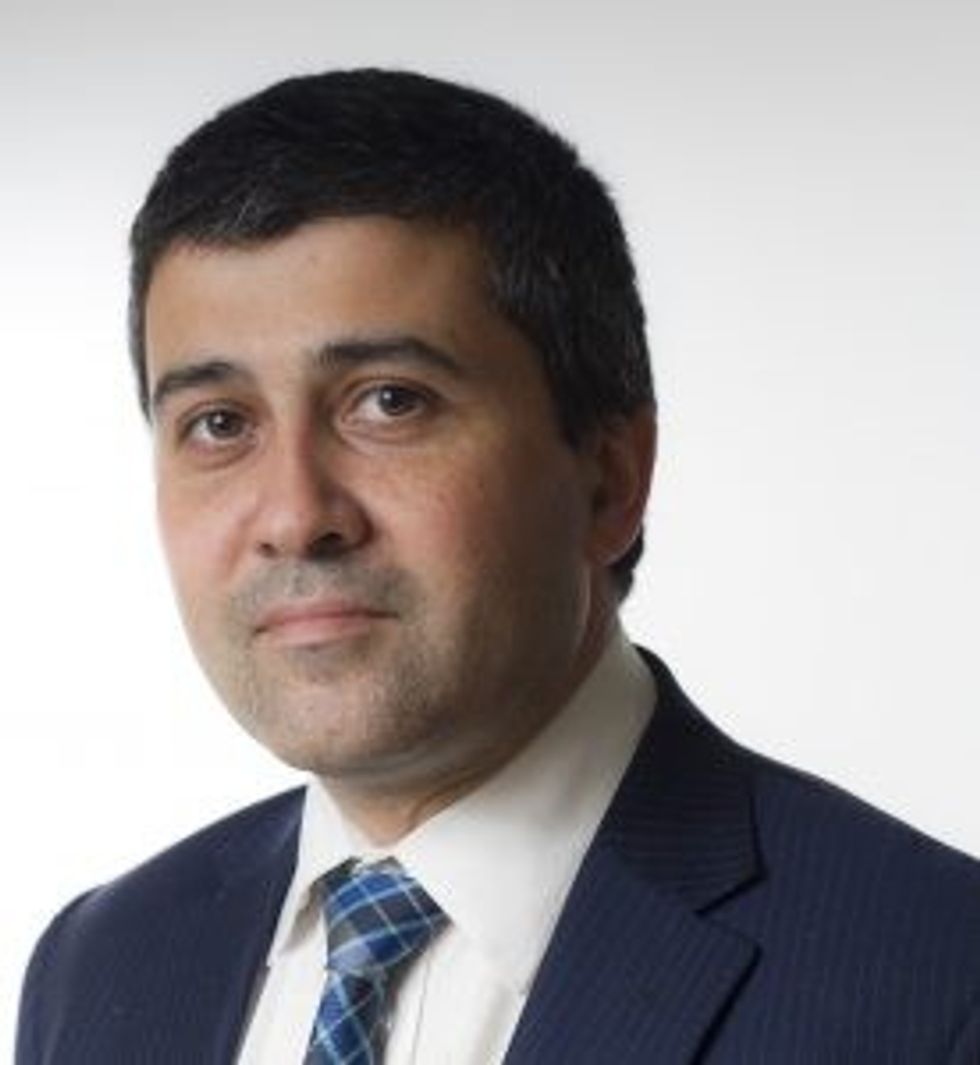 Sunder Katwala
British Future
The author is the director of thinktank British Future and the author of the book How to Be a Patriot: The must-read book on British national identity and immigration.