
- Awami League is out, BNP is favoured.
- Young voters could sway the result.
- China and India are watching closely.
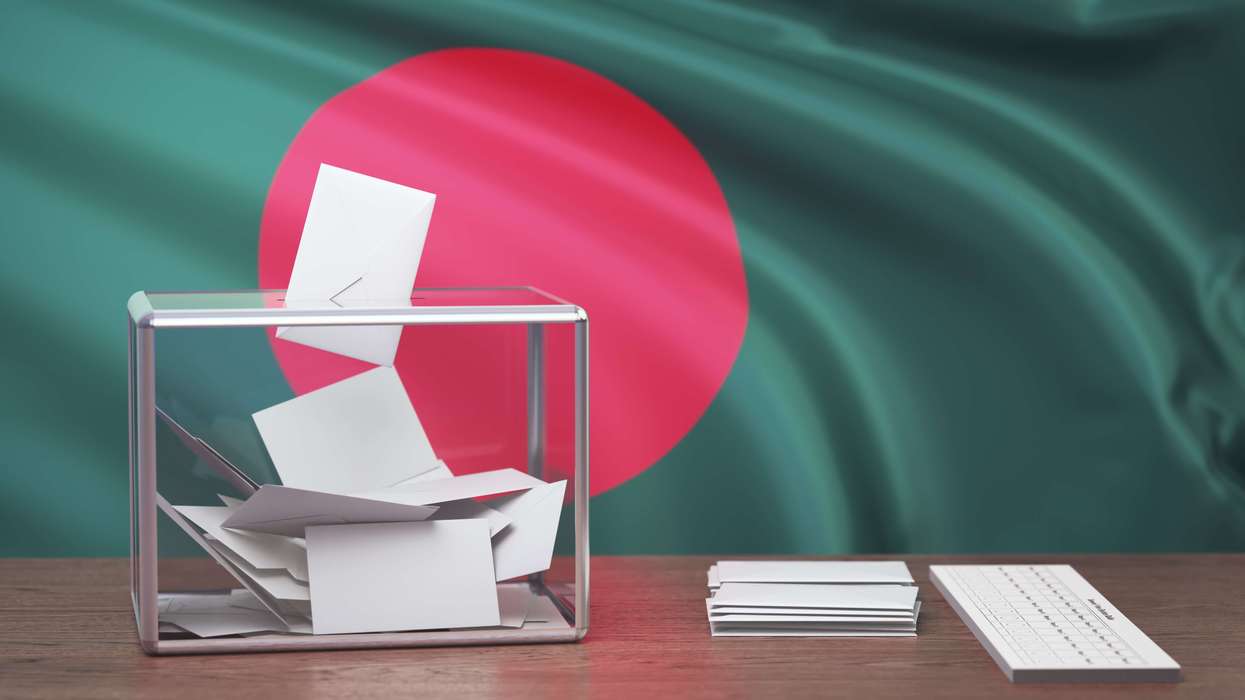
Bangladesh goes to the polls on February 12 in what many see as its first genuinely competitive election in more than a decade.
For years under former prime minister Sheikh Hasina, opposition parties had little room to manoeuvre. Some boycotted elections. Others were weakened by mass arrests of senior leaders. This time, the picture looks very different. Hasina’s Awami League is banned after she was forced from office in a 2024 uprising, and the opposition is firmly back on the streets.
Many of the young activists who helped drive that uprising say this is the first real contest since 2009, when Hasina began her 15-year rule.
The Bangladesh Nationalist Party, or BNP, is widely tipped to come out on top. It is contesting 292 of the 300 parliamentary seats and its leader, Tarique Rahman, told Reuters the party was confident of winning “enough to form a government”, as quoted in a news report. But the race may not be straightforward.
An Islamist coalition led by Jamaat-e-Islami is mounting a strong challenge. A new party powered by Gen-Z activists, most of them under 30, has thrown its weight behind Jamaat after struggling to convert street protests into votes.
Posters, promises and a restless electorate
Across the country, election fever is visible. Black-and-white posters bearing the BNP’s “sheaf of paddy” symbol and Jamaat’s “scales” hang from lampposts and trees. Campaign huts on street corners blast party songs. It is a marked shift from previous elections, when the Awami League’s “boat” symbol dominated public spaces.
Analysts say a clear result matters. Bangladesh, home to around 175 million people, has faced months of unrest since Hasina’s removal. Key industries, including garments – the country is the world’s second-largest exporter in the sector – have been disrupted. A fractured parliament, some warn, could prolong instability.
Parvez Karim Abbasi, executive director at Dhaka’s Centre for Governance Studies, said opinion polls suggest the BNP has an edge, but a large bloc of voters remains undecided, as quoted in reports. He noted that Generation Z makes up roughly a quarter of the electorate and could be decisive.
For many voters, the concerns are more immediate. Surveys by Dhaka-based think tanks Communication & Research Foundation and Bangladesh Election and Public Opinion Studies suggest corruption is the top issue among the country’s 128 million voters, followed by inflation. Bangladesh has grappled with rising prices, weakening foreign reserves and slowing investment, prompting it to seek billions of pounds in external financing since 2022 from institutions including the International Monetary Fund and the World Bank.
Mohammad Rakib, 21, preparing to vote for the first time, told Reuters he hopes the next government will protect basic freedoms. “Everyone was tired of (Hasina’s) Awami League. People couldn’t even vote during national elections. People had no voice,” he reportedly said. “I hope the next government, whoever comes into power, will ensure this freedom of expression.”
Regional powers in the background
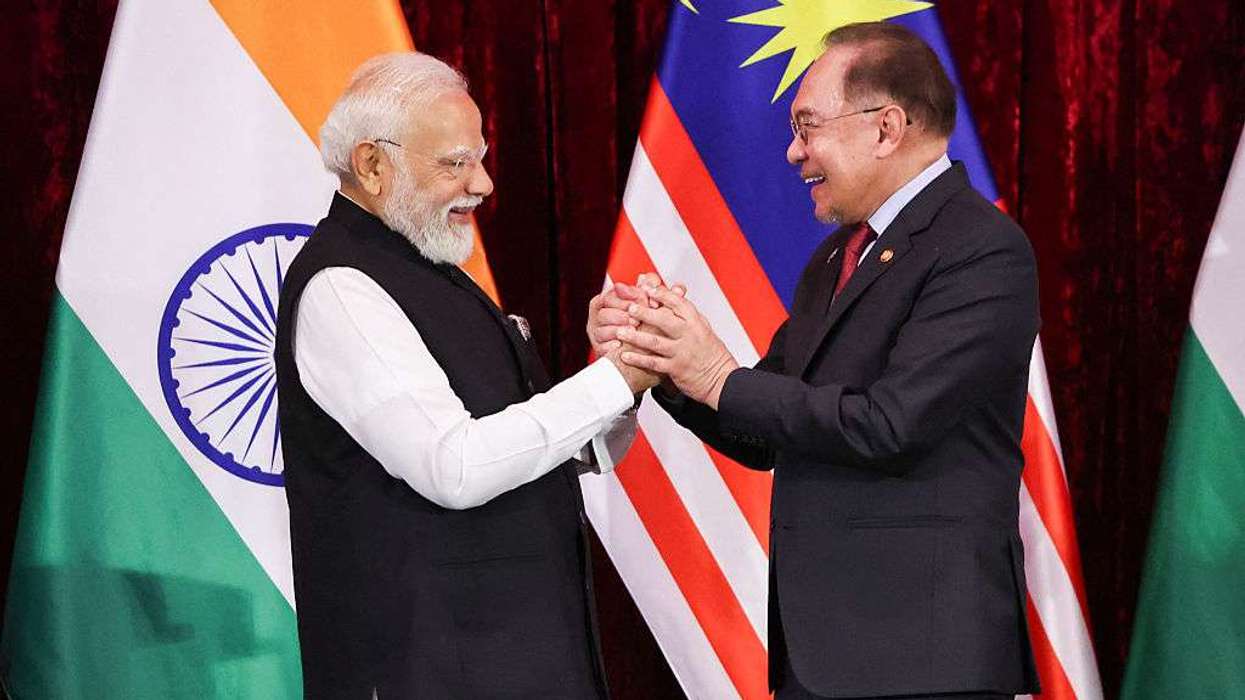
The outcome could also reshape Bangladesh’s foreign ties. Under Hasina, the country was widely seen as close to India. After her ouster, she fled to New Delhi, where she remains. Since then, analysts say China has expanded its influence.
Some observers view the BNP as relatively more in tune with India than Jamaat. Others suggest a Jamaat-led government might lean more towards Pakistan. Jamaat’s Gen-Z ally has publicly criticised what it called “New Delhi’s hegemony” in Bangladesh and has met Chinese diplomats, according to reports. Jamaat itself says it is not aligned with any specific country.
Rahman has said that if the BNP forms the government, it will maintain friendly relations with any nation that “offers what is suitable for my people and my country”, as quoted in a news report.
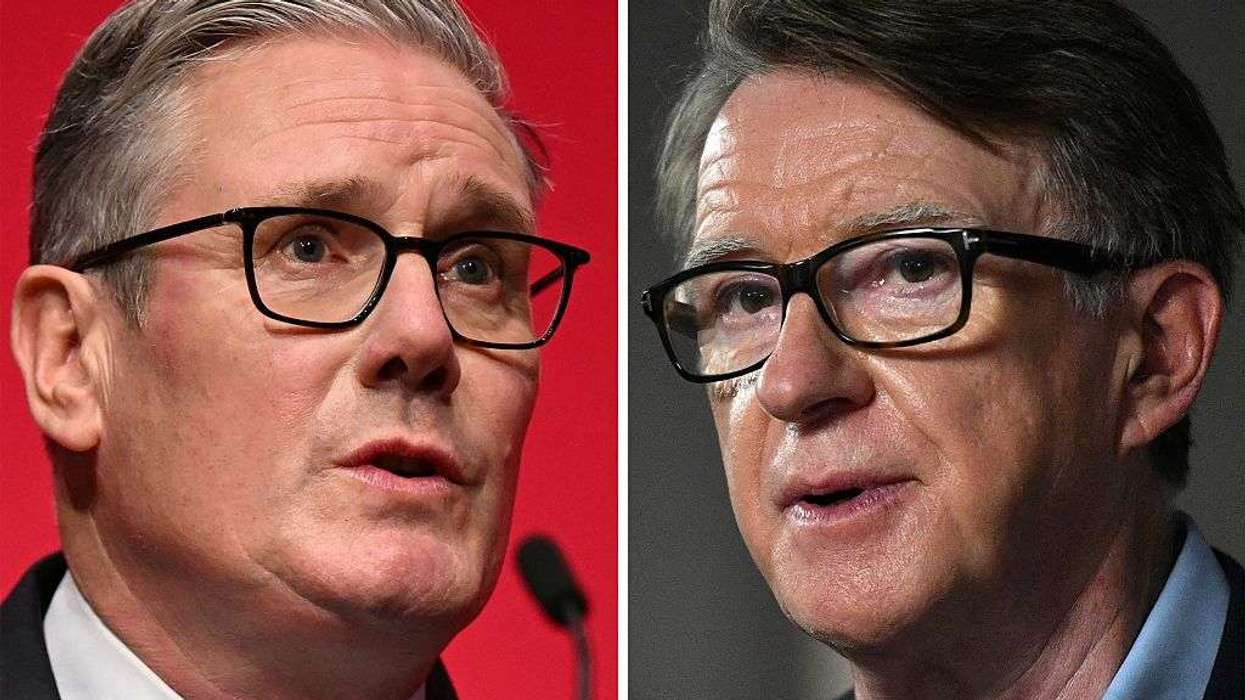
Rahman, the son of former prime minister Khaleda Zia, is widely seen as the frontrunner to lead the next administration. However, if the Jamaat-led coalition were to secure a majority, its chair Shafiqur Rahman could emerge as a contender for the top job.
For now, much rests on February 12. After years of tightly controlled politics, voters appear to be facing a choice that could redefine not just who governs, but how Bangladesh positions itself at home and abroad.