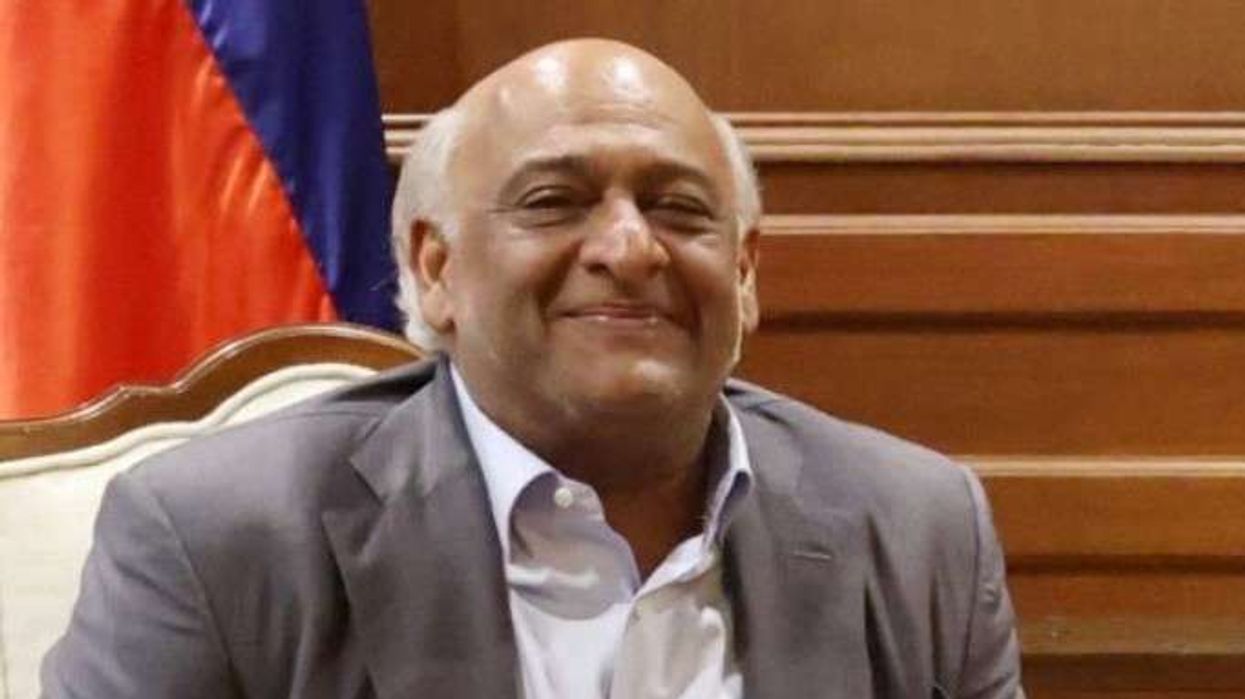

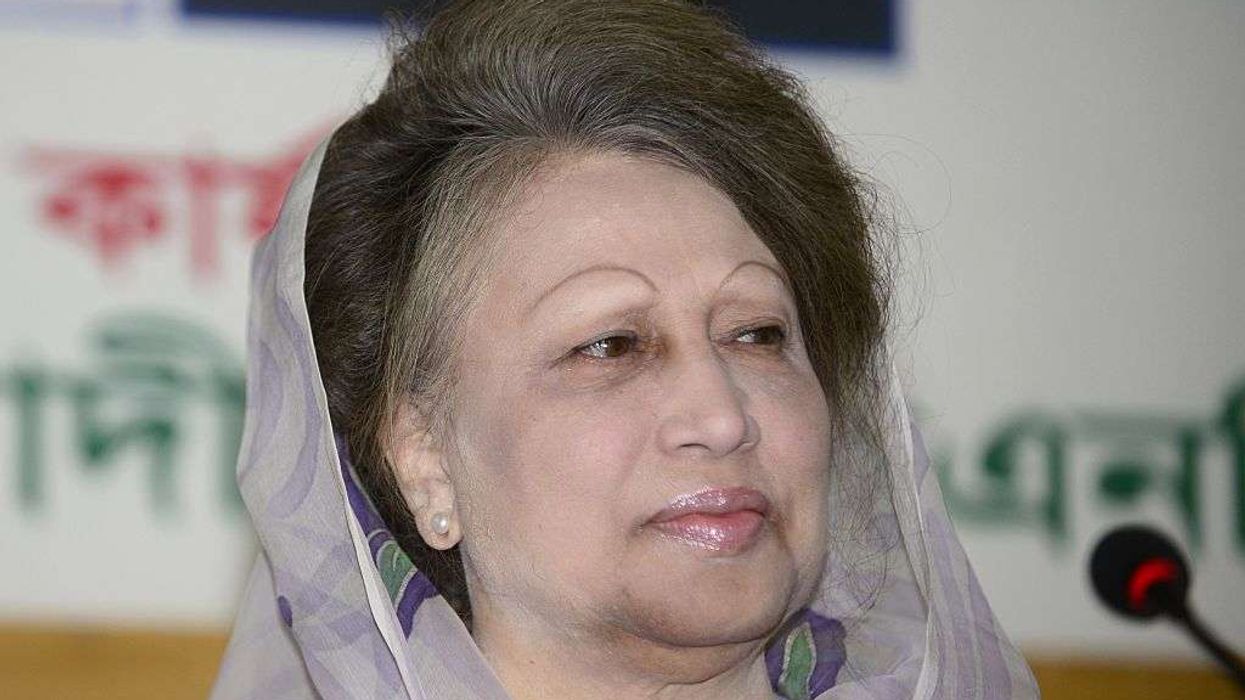
BANGLADESH bid farewell on Wednesday (31) to former prime minister Khaleda Zia in a state funeral that drew vast crowds mourning a towering leader whose career defined the country's politics for decades.
Zia, the first woman to serve as prime minister in the South Asian nation of 170 million people, died on Tuesday (30) aged 80.
Flags were flown at half-mast and thousands of security officers lined roads as her body was carried through the streets of the capital Dhaka by a vehicle in the colours of the national flag.
A sea of mourners gathered outside parliament and packed streets leading to it, many waving national flags as well as those of her Bangladesh Nationalist Party (BNP), before prayers held over her coffin.
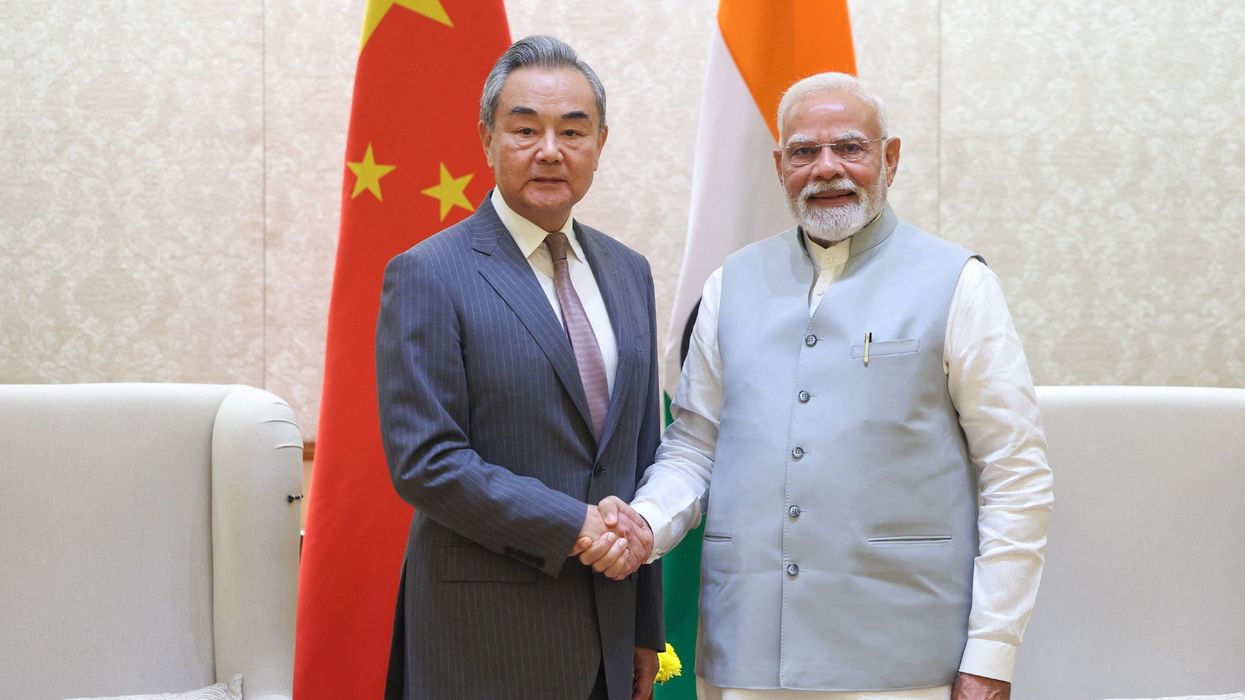
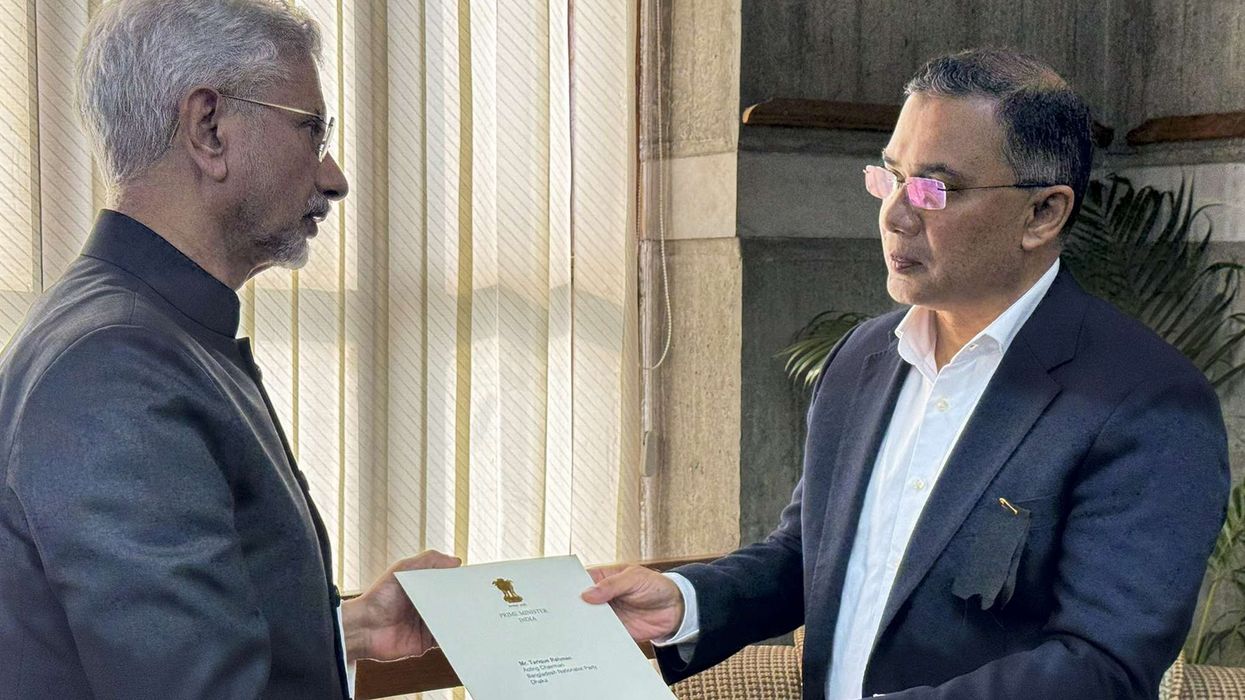
India's external affairs minister S Jaishankar handed over a letter from prime minister Narendra Modi to Bangladesh Nationalist Party (BNP) leader Tarique Rahman in Dhaka.
Shortly after landing in the capital, Jaishankar met Rahman, the acting chairman of BNP and the eldest son of Zia, and conveyed India's deepest condolences over the death of the iconic leader. He represented India at Zia's funeral.
"Handed over to him a personal letter from Prime Minister @narendramodi. Conveyed deepest condolences on behalf of the Government and people of India," Jaishankar wrote on social media.
"Expressed confidence that Begum Khaleda Zia’s vision and values will guide the development of our partnership," he said.
Despite years of ill health and imprisonment, Zia had vowed to campaign in elections set for February 12 -- the first vote since a mass uprising toppled her arch-rival Sheikh Hasina last year.
Zia's BNP is widely considered a frontrunner, and her son Tarique Rahman, 60, who returned only last week after 17 years in exile, is seen as a potential prime minister if they win a majority.
"She is no more, but her legacy lives on -- and so does the BNP," said Jenny Parvez, 37, who travelled for several hours with her family to watch the funeral cortege pass.
The interim government, led by Nobel Peace Prize winner Muhammad Yunus, declared three days of national mourning and an elaborate state funeral.
Yunus said Bangladesh had "lost a great guardian".
Zia's body will later be interred alongside her late husband, Ziaur Rahman, who was assassinated in 1981 during his time as president.
Tarique Rahman said in a statement that "the country mourns the loss of a guiding presence that shaped its democratic aspirations".
His mother, he added, "endured repeated arrests, denial of medical care, and relentless persecution", but "her resilience... was unbreakable."
Suffering from a raft of health issues, Zia was rushed to hospital in late November, where her condition gradually deteriorated despite treatment.
Nevertheless, hours before her death, party workers had on Monday submitted nomination papers on her behalf for three constituencies for next year's polls.
Hasina, 78, sentenced to death in absentia in November for crimes against humanity, remains in hiding in India.
Zia was jailed for corruption in 2018 under Hasina's government, which also blocked her from travelling abroad for medical treatment.
Zia was released last year, shortly after Hasina was forced from power.
"I pray for the eternal peace and forgiveness of Begum Khaleda Zia's soul," Hasina said, in a statement shared on social media by her now-banned Awami League party.
(Agencies)

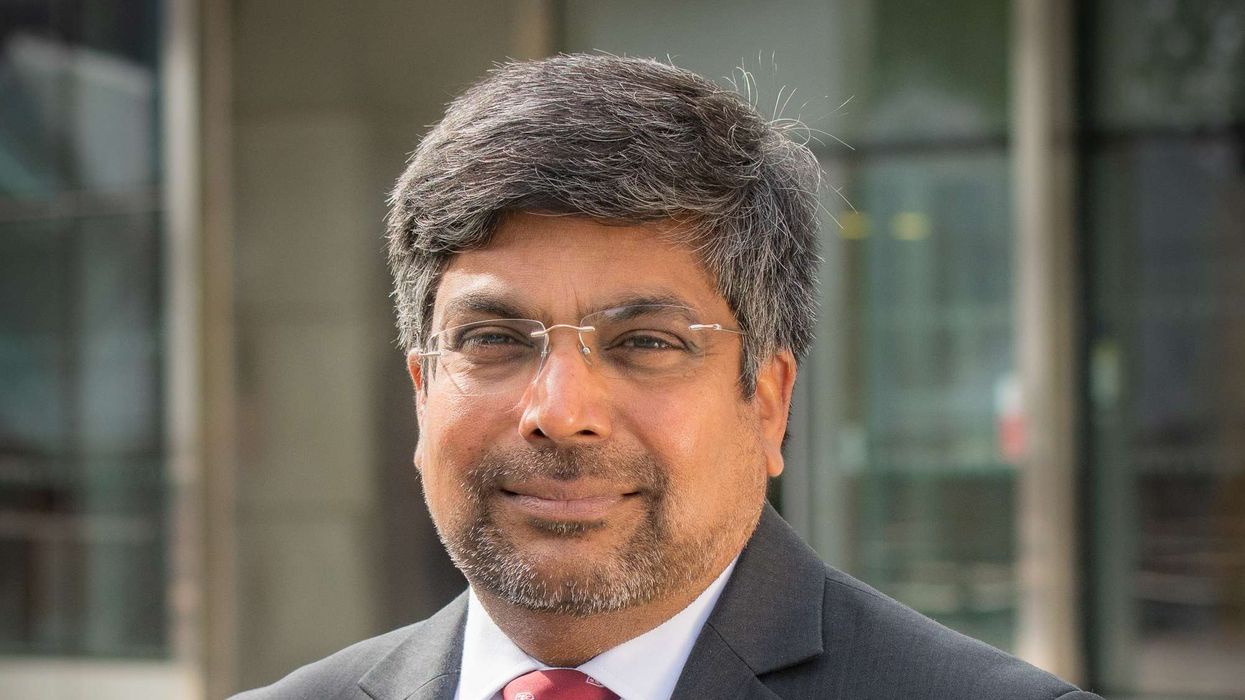 Prof Nishan Canagarajah
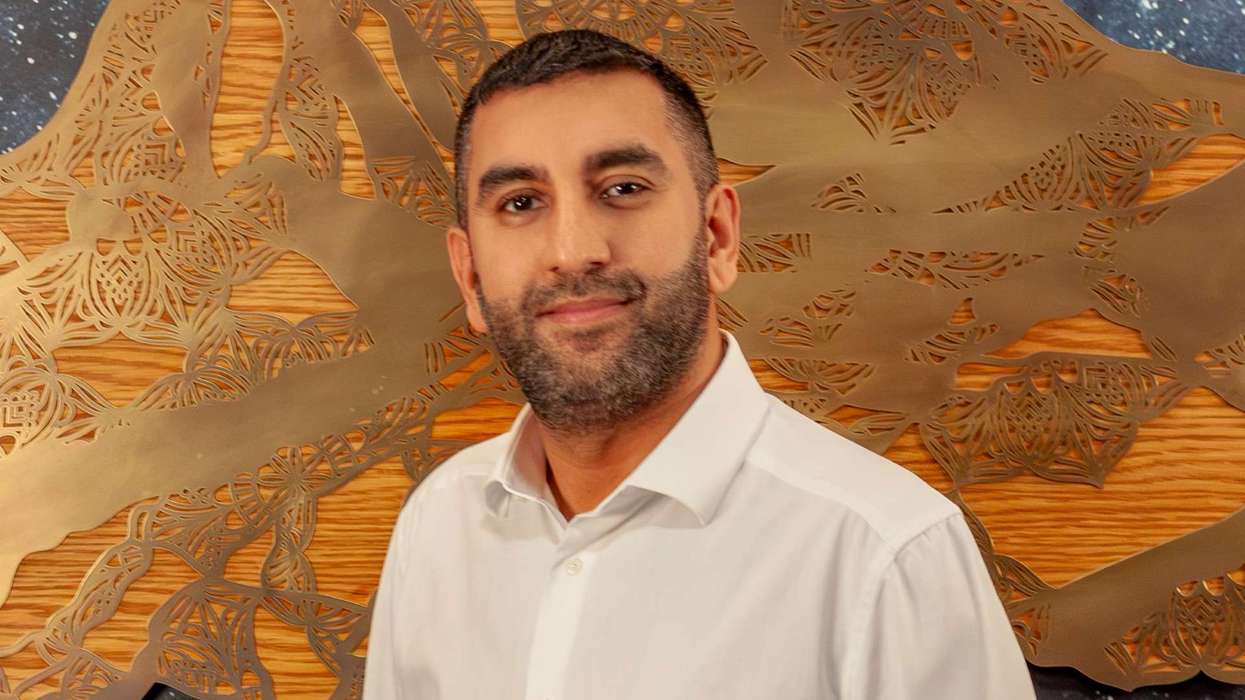 Paavan Popat
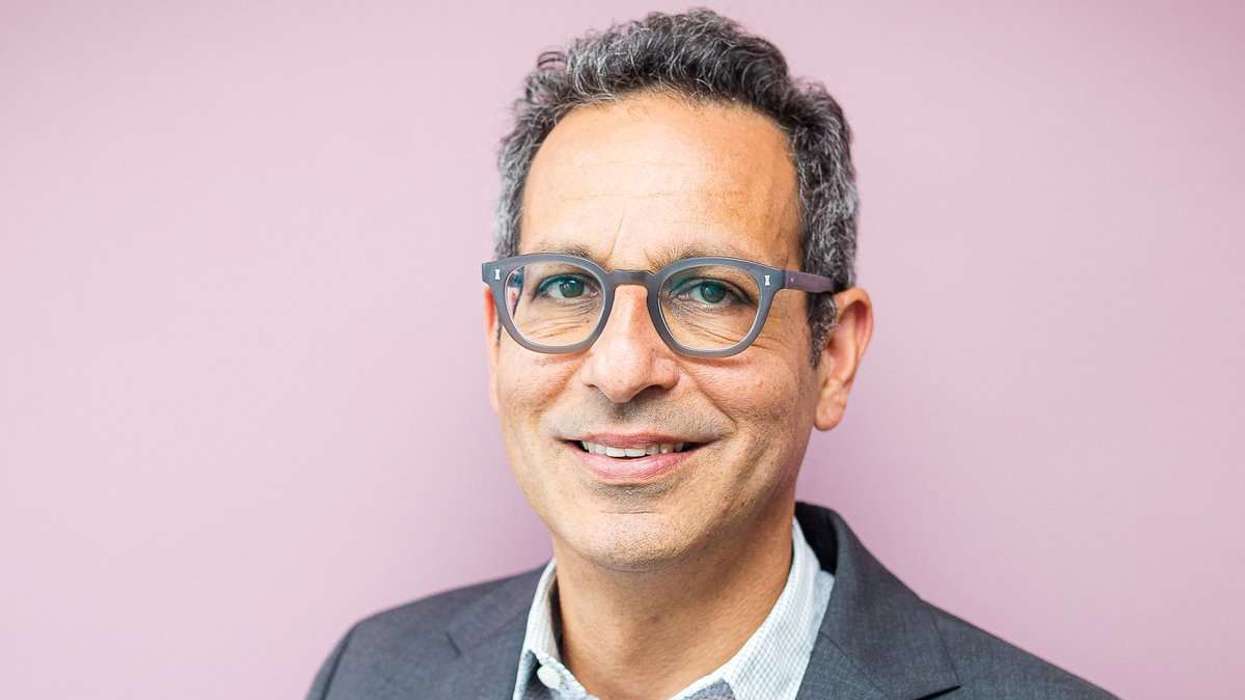 Enver Solomon
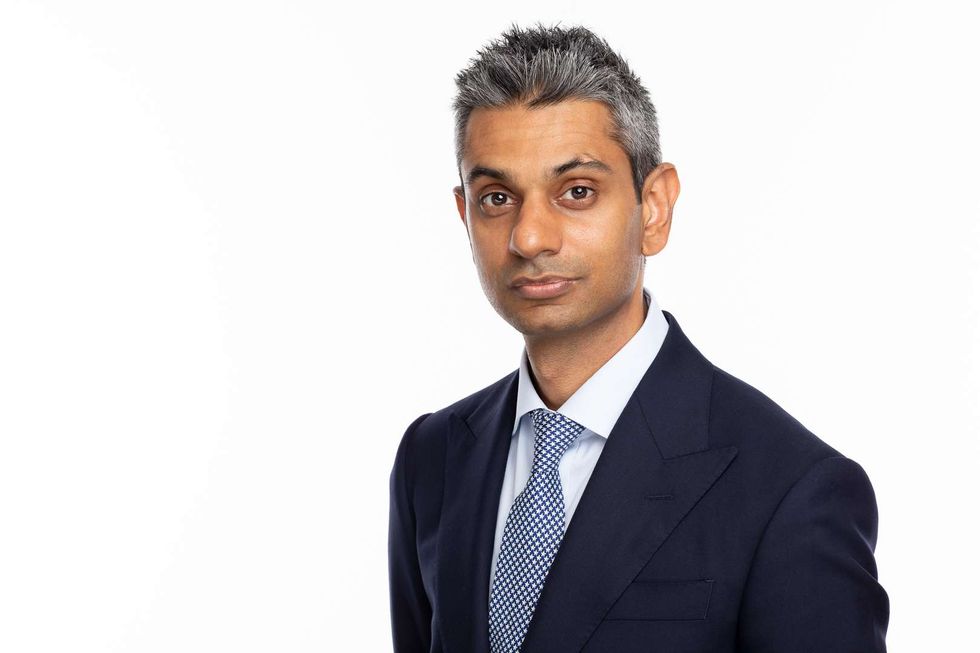 Dhruv Patel
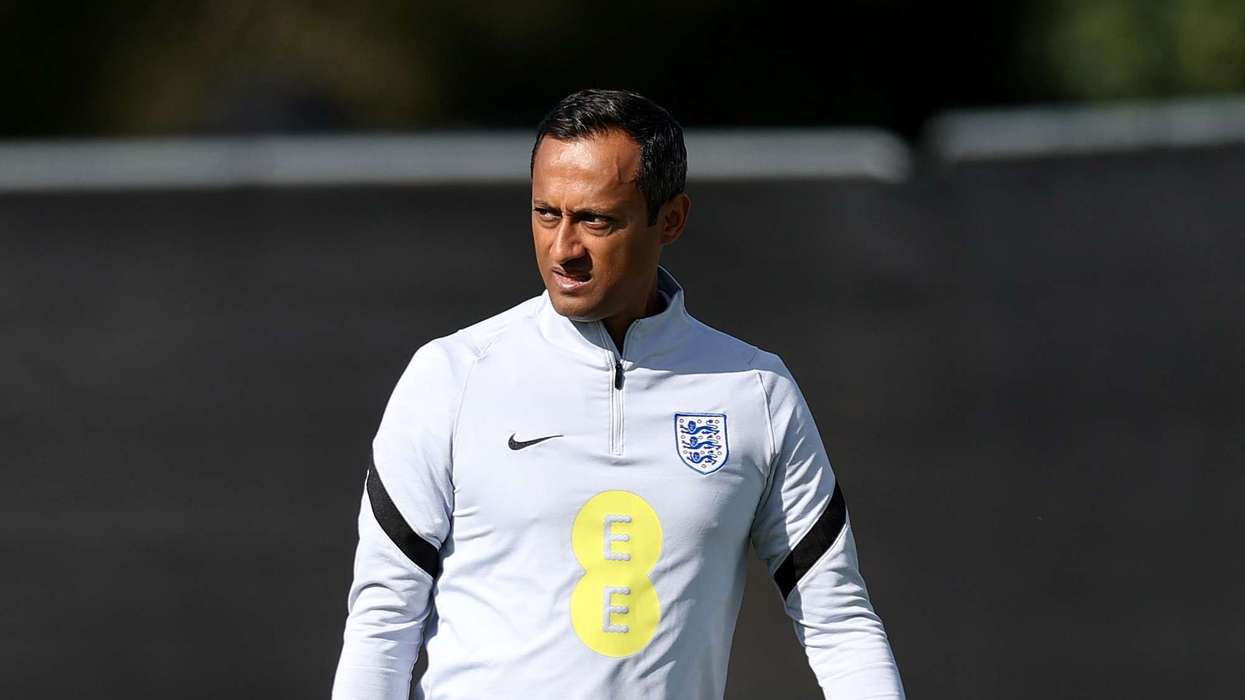 Ritan Mehta
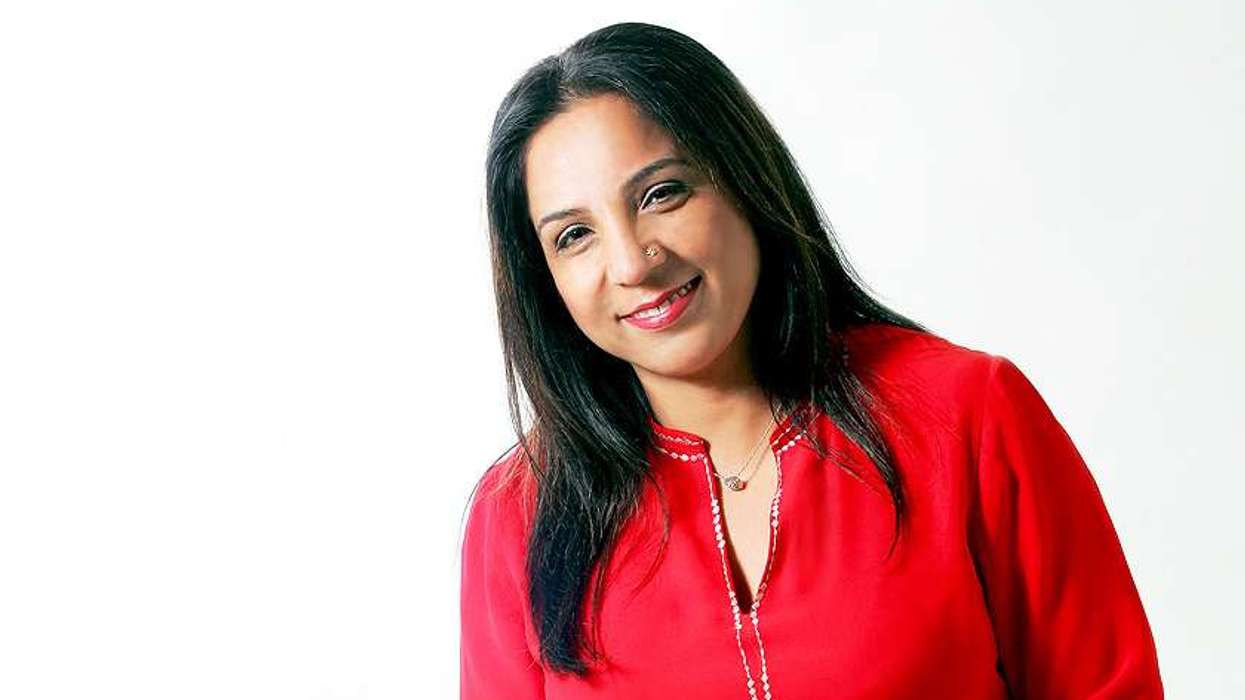 Mani Kohli