
Highlights
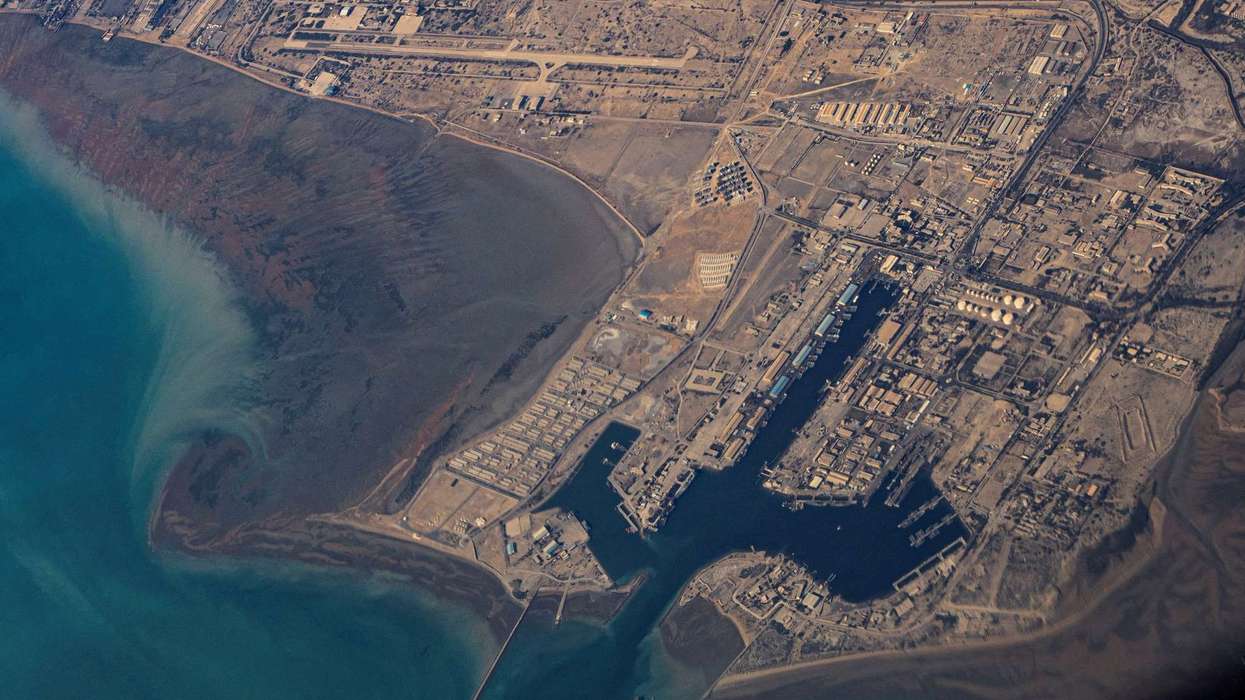
- Asian countries are switching to coal power as the Iran conflict disrupts gas shipments and sends prices to three-year highs.
- Wood Mackenzie has cut its forecast for Asian LNG imports from 12.4 million tonnes to five million tonnes in 2026.
- Bangladesh's Summit Group chairman warns high energy costs are "breaking the backbone of the economies of poorer countries".
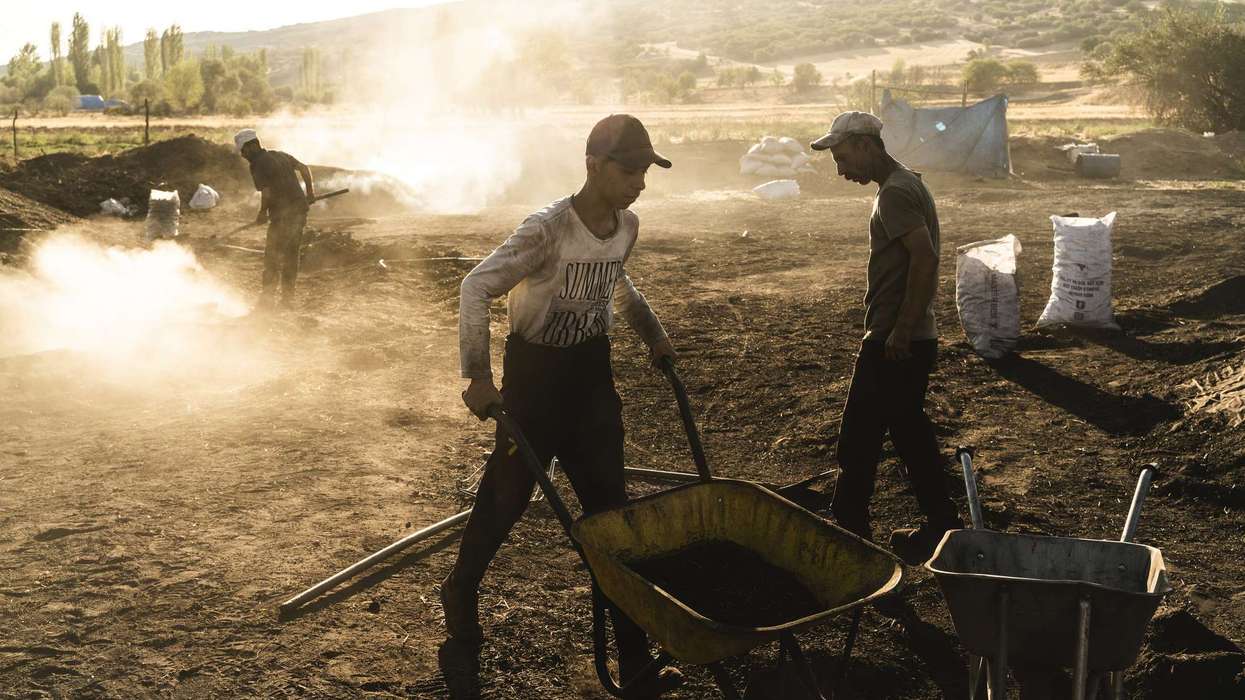
Bangladesh is burning more coal and bringing in more coal imports this month according to government figures.
Pakistan's Power Minister Awais Leghari told Reuters that coal plants running on locally mined fuel would step up production as gas generation falls.
In Southeast Asia the Philippines is using more coal and less gas while Vietnam is looking for new coal supplies and Thailand is getting more power from its biggest coal plant to save gas.
South Korea plans to lift limits on how much coal power it can produce and use more nuclear energy. Japan's biggest power company JERA said it would keep its coal plants running at full speed.
Renewables gain ground
Experts warn the crisis could put people off buying gas across Asia for years even after the fighting stops with prices expected to stay high for a long time.
Wood Mackenzie cut its prediction for how much gas Asia will import in 2026 from 12.4 million tonnes down to around five million tonnes if the Middle East supply problems last two months.
Aziz Khan the chairman of Bangladesh's Summit Group told Reuters, rising energy bills were hitting the poorest countries the hardest. "You're breaking the backbone of the economies of poorer countries," he added.
Coal prices in Asia have gone up 13.2 per cent this month but experts say the rise is being held back because big buyers like China India Japan and South Korea already have large coal stocks and long term supply deals.
Sam Reynolds of energy think tank IEEFA stated that the crisis was making the case for clean energy even stronger.
"Recent shocks once again refute the case for relying on imported fossil fuels in energy sector development plans, potentially creating more opportunities for renewables," he said.