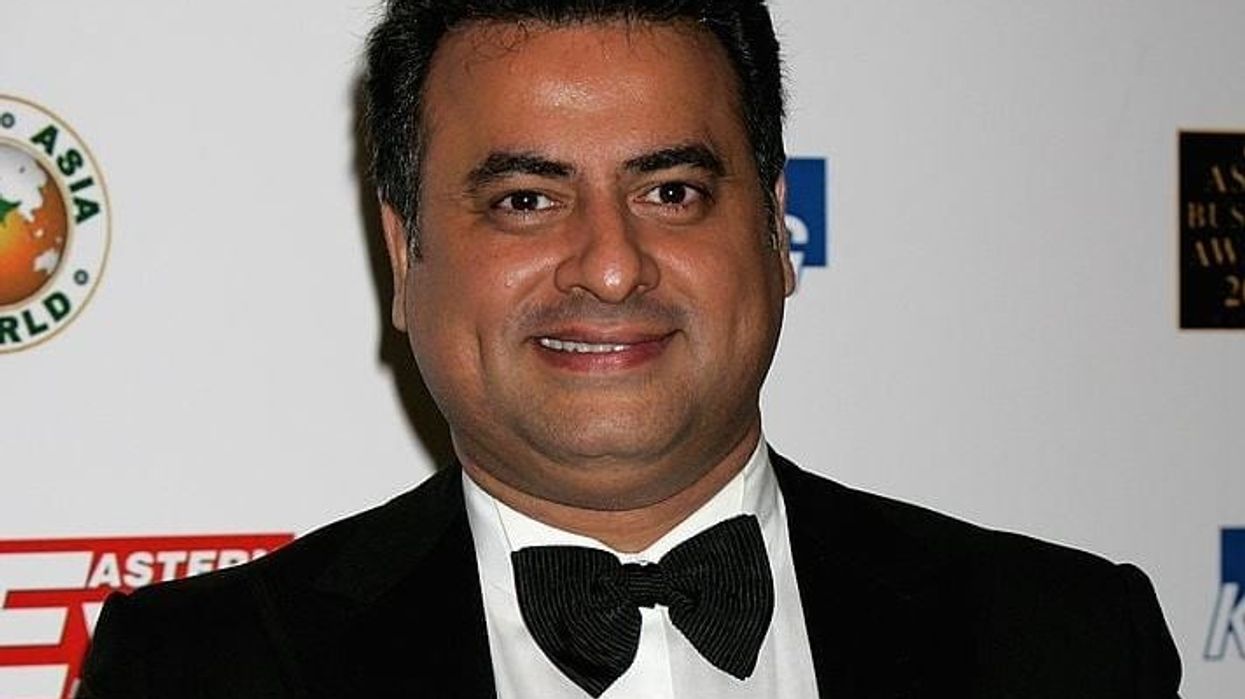

EMBATTLED beauty brand The Body Shop has been rescued from administration with the help of investment from British Indian cosmetics tycoon Mike Jatania in a deal that will keep its remaining 113 UK stores trading, it emerged on Saturday (7).
According to the Guardian, a consortium led by Jatania-founded growth capital firm Auréa had bought all the Body Shop International's assets, which include its UK stores and control of outposts in Australia and North America for an undisclosed sum.
"With the Body Shop, we have acquired a truly iconic brand with highly engaged consumers in more than 70 markets around the world," said Jatania.
"We plan to focus relentlessly on exceeding their expectations by investing in product innovation and seamless experiences across all of the channels where customers shop while paying homage to the brand's ethical and activist positioning," he said.
He previously ran Lornamead, which owned personal care brands such as Woods of Windsor, Yardley and Harmony Haircare, before selling it off 10 years ago.
It is believed the new owners of The Body Shop, who finalised a deal late on Friday (6), do not plan to close any of the UK stores operating and employing around 1,300 people.
"We believe that the stores are an important part of the brand's connection to its customers. We will naturally monitor the footprint of the estate to make sure that we are optimising performance through that connection," an Auréa spokesperson said.
The Body Shop, founded in 1976 as an ethical beauty brand by Anita Roddick, went into administration in February after an announcement by new owner Aurelius, which had bought the company three months earlier.
Administrators from FRP Advisory have since closed 85 shops, while almost 500 shop jobs and at least 270 office roles have been cut, according to the newspaper report.
However, most Asian outlets, including in India, are reportedly run by franchisees and continue to operate.
According to media reports, Jatania will serve as chair and Charles Denton, the former chief executive of the beauty brand Molton Brown, will act as chief executive of the newly acquired business.
"I am truly excited to lead this brand, which I have admired for many years. We recognise that revitalising the business will require bold action and a consumer-centric, commercially agile mindset," said Denton.
"We believe there's a sustainable future ahead and, working closely with the management team, we aim to restore The Body Shop's unique, value-driven, independent spirit,"
Steve Baluchi, director of FRP Advisory, added, "We're pleased to be able to hand over The Body Shop to experienced new owners that have a long track record of successful retail turnarounds. They recognise the enormous value of its household name brand and have a clear vision for its future."
(PTI)