
Highlights
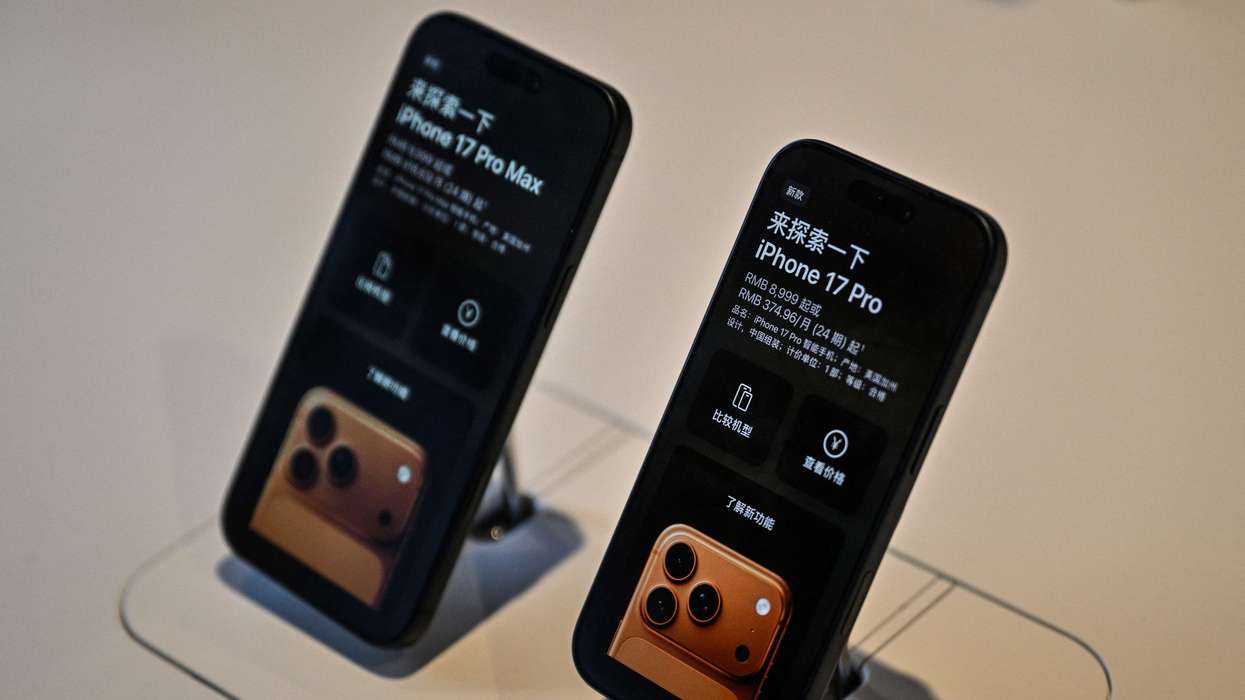
- iPhone sales hit all-time high in final quarter of last year, exceeding Apple's expectations.
- Revenue jumped 16 per cent to $144bn, while company struggles to meet "very high" customer demand.
- Apple Watch and Mac sales declined, as firm pursues Google Gemini partnership for AI upgrades.
Mixed product performance
However, not all Apple products enjoyed similar success. Sales of wearables and accessories, including Apple Watch and AirPods, dropped roughly 3 per cent.
Mac computer sales fell just over 7 per cent during the quarter. Apple plans to invest $16bn in the coming fiscal year on business expansion, including retail stores and infrastructure.
This spending appears conservative compared to Microsoft's $37bn capital expenditure in its most recent quarter alone, primarily focused on AI projects.
Microsoft's stock dropped 10 per cent on Thursday following its quarterly results, its biggest single day fall since 2020 as investors questioned heavy AI spending without proportional revenue growth.
AI strategy unfolds
Cook declined to provide details on Apple's recently announced partnership with Google, whereby Google's Gemini artificial intelligence will underpin future Apple AI models and Siri upgrades.
Anna MacDonald, investment manager at Aubrey, suggested Apple's cautious AI approach reflects its brand values.
"Apple products, including the packaging, should represent a 'pleasurable, perfect experience'," she told the BBC, noting that ChatGPT's "stumbling" responses are "un-Apple-like."
However, analyst Jacob Bourne from Emarketer warned Apple's smartphone dominance is "perhaps more uncertain than ever."
He stated the company "has to make the most of its Google Gemini partnership to deliver Siri upgrades that make consumer voice AI relevant, seamless, and monetisible."