
Highlights
- Alexandre Singh and Natalie Musteata win the Oscar for Best Live Action Short Film
- Their film Two People Exchanging Saliva shares the award with The Singers
- The tie marks only the seventh time in Academy Awards history that a category has had joint winners
- Singh, born in Bordeaux to Indian parents, is known for blending visual art and filmmaking
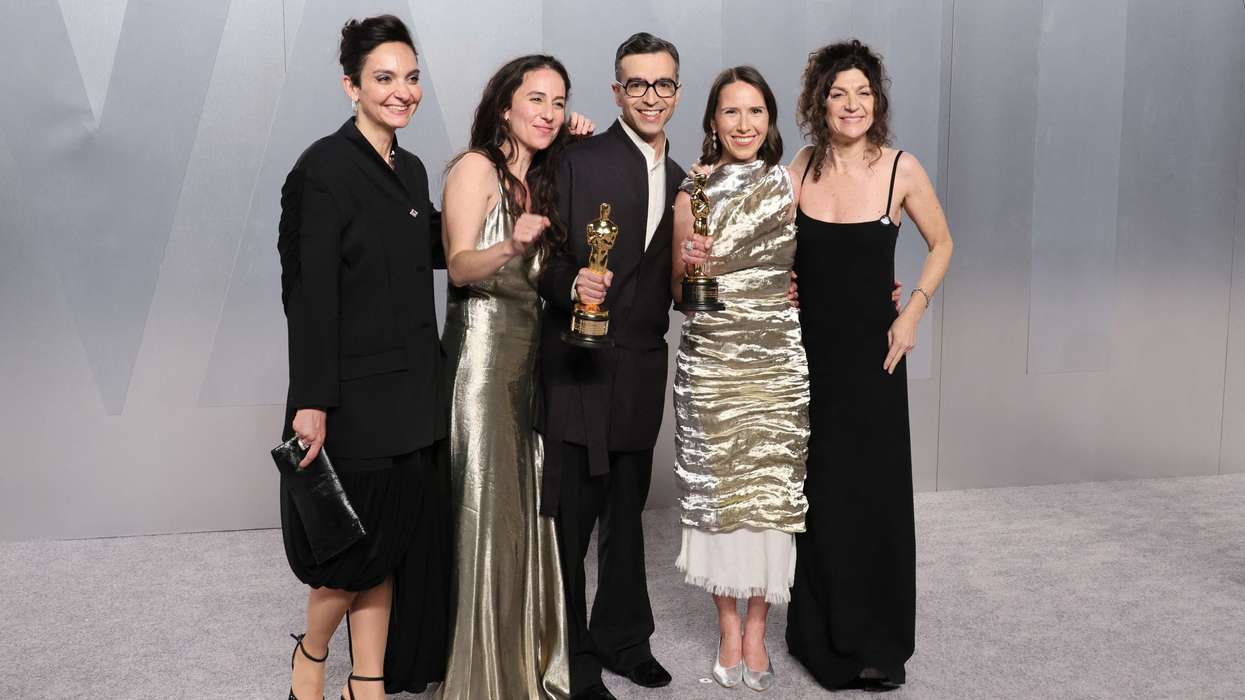
At the 98th Academy Awards, filmmaker Alexandre Singh and curator-turned-producer Natalie Musteata won the Oscar for Best Live Action Short Film for their French-language drama Two People Exchanging Saliva.
The 36-minute film shared the award with The Singers, directed by Sam A. Davis. Such ties are rare at the Academy Awards, with this being only the seventh instance in Oscar history. The previous tie occurred in 2013 when Zero Dark Thirty and Skyfall shared the award for sound editing.
During the acceptance speech, Singh spoke about the influence of artistic expression, saying he believes art and creativity have the power to transform people and, over time, shape society.
A filmmaker with Indian roots
Born in 1980 in Bordeaux, France, Singh grew up in a family of Indian origin. Before moving into filmmaking, he built a reputation as a visual artist, known for exploring narrative through different creative mediums.
Alongside Two People Exchanging Saliva, his previous works include The Appointment (2019) and Plan large (2016). His projects often combine theatrical storytelling with visual experimentation.
Creative partnership with Natalie Musteata
Singh first met Musteata in 2012 while she was working on an arts project. Their shared approach to storytelling eventually led them to collaborate on films.
Their first short project together, The Appointment, was released in 2019. Over time, they developed a creative partnership that allowed them to merge their separate artistic practices into filmmaking.
Musteata has said that the process took years, as both were developing their own work before committing to joint film projects.
Building an unconventional short film
For Two People Exchanging Saliva, Singh studied screenwriting extensively and drew inspiration from The Science of Storytelling by Will Storr, particularly the idea of the “controlling idea” that shapes a narrative.
The film also used digital tools such as Polycam to create 3D scans of environments and Blender to stage scenes virtually. The story features Iranian actor Zar Amir Ebrahimi.
Singh has said the aim was to tell a story with a clear beginning, middle and end while allowing the narrative world to unfold gradually, rather than explaining everything directly to the audience.