
- Airlines cancel thousands of flights and trim capacity as fuel costs surge.
- Jet fuel prices more than double, pushing fares up across major carriers.
- Supply fears grow as the Strait of Hormuz disruption tightens global energy flows.
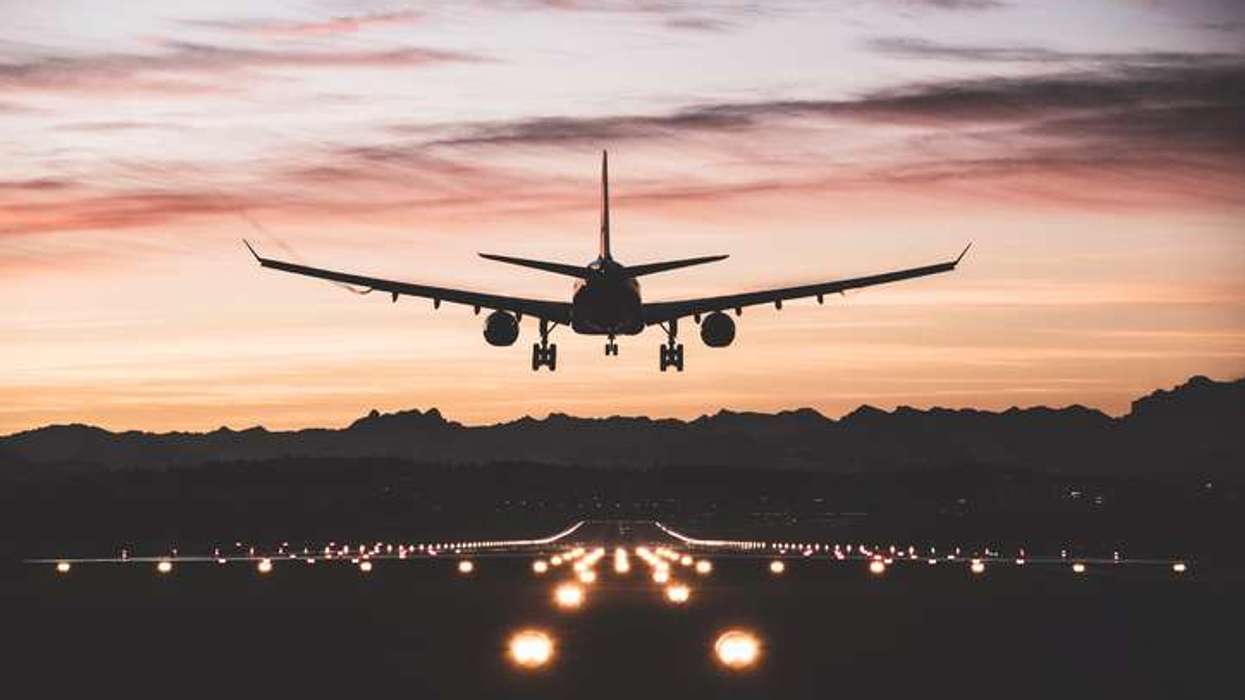
Flight cancellations are mounting globally, with thousands already grounded, as a fuel price shock linked to the Iran conflict forces airlines to cut capacity and raise fares.
Data from aviation analytics firm Cirium shows that more than one in 20 flights scheduled for March 30 were cancelled. Several airlines have already confirmed deeper cuts. Air New Zealand plans to remove 1,100 flights through early May, while Scandinavian carrier SAS is cancelling around 1,000 flights in April, largely on domestic routes. In the US, United Airlines has cut roughly 5 per cent of its capacity on less profitable routes, becoming one of the first major carriers to act.
Behind these decisions is a steep rise in fuel costs. Jet fuel prices have surged to about £1,350 ($1,710) per metric tonne, up more than 130 per cent from around £585 ($742) a year earlier. In the US market, prices have jumped from roughly £1.70 ($2.17) to £3.60 ($4.57) per gallon within weeks, according to the Argus index. Airlines warn that inventories could run low if the disruption persists.
The Strait of Hormuz carries about 20 million barrels of oil a day, roughly a fifth of global supply, along with significant volumes of jet fuel and liquefied natural gas. With tanker traffic slowing and refineries in the region affected, supply has tightened sharply. Brent crude briefly touched £92 ($116) a barrel in early trading, amplifying cost pressures across the aviation sector.
Rising costs and weaker demand
The industry now finds itself in a difficult position. Higher fuel costs are forcing airlines to raise fares, but at the same time, demand risks softening as travel becomes more expensive. As Rigas Doganis, chairman of Airline Management Group, reportedly said in a news report, airlines face “an existential challenge” — needing to cut fares to stimulate demand while also increasing them to offset costs.
Several carriers have already started adjusting prices. Cathay Pacific has doubled fuel surcharges compared with recent months, while AirAsia has introduced temporary fare hikes. Thai Airways expects ticket prices to rise between 10 per cent and 15 per cent, and Qantas has made route-specific increases. SAS has implemented what it calls a “temporary price adjustment”, and Air New Zealand has raised one-way fares by up to £71 ($90) on long-haul routes.
In the US, Delta Air Lines estimates the fuel spike added around £315 million ($400 million) in costs in March alone, with American Airlines expecting a similar hit in the first quarter. United Airlines has warned that sustained prices could add as much as £8.7 billion ($11 billion) annually to its fuel bill.
Some airlines with fuel hedging strategies such as Lufthansa and Ryanair have managed to cushion part of the impact by locking in prices earlier. But for many others, the sudden spike leaves little room to manoeuvre.
The pressure is spreading beyond airlines. Cruise operators are also feeling the strain. StarDream Cruises has introduced a £12 ($15) per person, per night fuel surcharge for new bookings from March 20, citing higher operating costs linked to the Middle East tensions.
A prolonged disruption could deepen the crisis
There are growing concerns that the situation could worsen if supply constraints continue. The Middle East accounts for around 15–17 per cent of global jet fuel consumption, exporting roughly 1.1 million barrels per day. With a significant portion of that moving through the Strait of Hormuz, any prolonged disruption could push prices higher still.
Airlines are already preparing for a longer stretch of volatility. Korean Air is set to enter an “emergency management mode” from April 1, as its leadership reportedly outlined internal cost-control measures. Vietnam Airlines has announced the suspension of several domestic routes from April, cancelling 23 weekly flights due to fuel shortages.
European carriers, including Air France-KLM, are planning further fare increases, particularly on long-haul routes. Executives across the sector have warned that fuel shortages are becoming a real risk, not just a pricing issue.
Even if tensions ease, industry experts suggest ticket prices may remain elevated for months. Rerouted flights avoiding Middle East airspace are adding to operational costs, while reduced capacity is pushing up demand on available routes.