
Highlights
- Zipcar announced closure of UK operations at end of year, leaving up to 500,000 users without service.
- Multiple car-sharing firms including Free2Move and Enterprise Car Club exploring London expansion.
- Fragmented licensing across 33 London boroughs remains major obstacle to car-sharing growth.
Several car-sharing companies are considering launching or expanding in London following Zipcar's announcement to close its UK operation at the end of the year, leaving a significant gap in one of Europe's biggest cities.
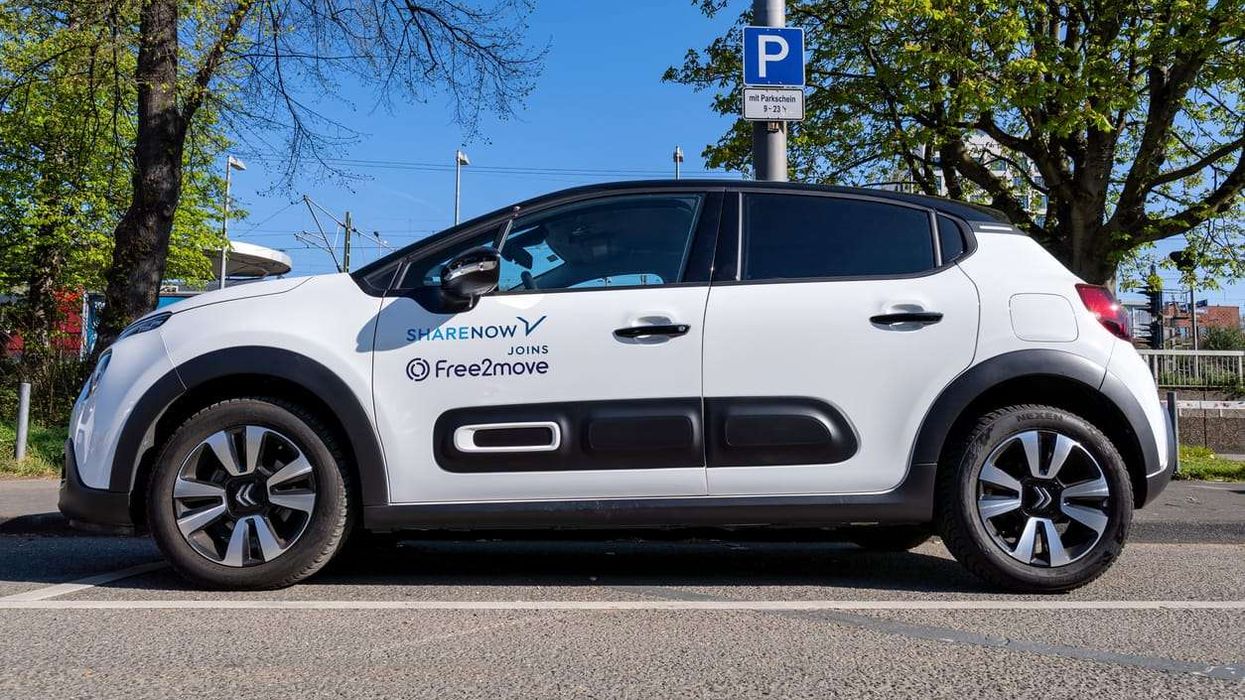
Free2Move, owned by carmaker Stellantis, told The Guardian that it was "closely monitoring the London market" and "actively assessing" options for its services. The company already operates fleets in Berlin, Paris, Rome and Washington DC.
Enterprise Car Club, which has some cars in London, noted that it "will continue to seek out opportunities to expand our network and provide people with alternative transport options by the hour or day".
Co Wheels, operating across the UK with a handful of vehicles in the capital, said it was "actively discussing" options with several London boroughs in recent days.
Peer-to-peer car-sharing platforms Hiyacar and Turo also expressed interest in expanding their presence. Hiyacar chief executive Don Iro told The Guardian, "Our vision is to now take on the market. We're in a unique position to scale."
He added the company was "always going to do this irrespective of Zipcar", but Zipcar's market exit "gives us the ammunition to expand".
Zipcar's closure represents a blow to car-sharing advocates and as many as half a million users.
London is viewed as one of Europe's most promising cities for car-sharing due to its large population that primarily relies on public transport rather than private car ownership.
Regulatory barriers persist
However, experts say the fragmented nature of licensing and parking prices across 33 London local authorities has been a huge barrier to car clubs.
Zipcar's floating cars, which have no fixed parking spot, were not allowed to park within Camden and the City of London, among other areas.
Free2Move noted that London is "among Europe's most advanced cities when it comes to readiness for autonomous mobility", though it suggested its interest was not at a developed stage.
Richard Dilks, chief executive of shared transport charity CoMoUK, noted that he had been involved in discussions with London boroughs and Transport for London about attracting more operators through a single process and lower fees.
"Almost certainly there's going to be a big cliff-edge gap," he warned.