
Highlights
- £31bn tech investment from US companies including Microsoft and Google put on hold.
- Disputes centre on UK's digital services tax and food safety regulations.
- British officials describe pause as "hardball negotiations" and vow to stand firm.
The United States has put a £31 bn technology investment deal with Britain on hold, dealing a significant blow to UK-US relations amid ongoing trade disputes.
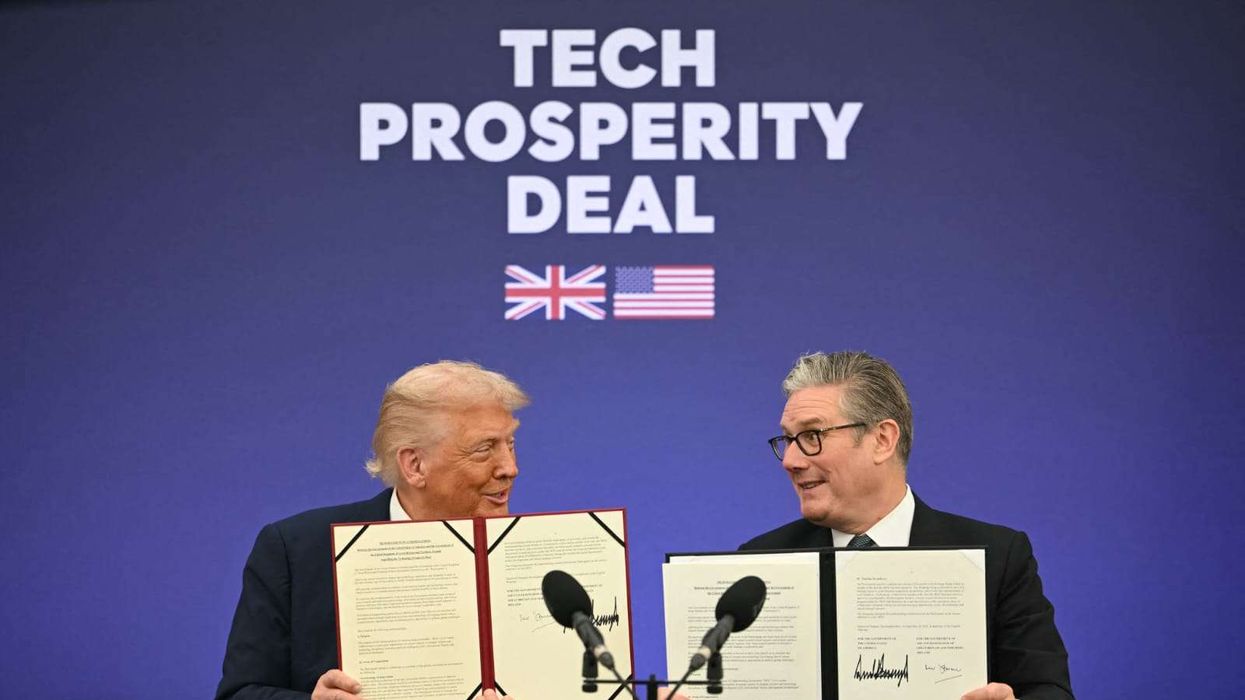
The "tech prosperity deal", announced during Donald Trump's state visit and celebrated by prime minister Keir Starmer as "a generational stepchange" in the relationship, has been paused by Washington over disagreements on trade barriers.
The agreement included pledges from major US tech companies to invest billions in Britain, with Microsoft committing £22 bn and Google pledging £5 bn. The deal also proposed creating an artificial intelligence "growth zone" in north-east England, expected to generate £30 bn and create 5,000 jobs.
New York Times reported that the Trump administration has expressed dissatisfaction with Britain's digital services tax on American tech companies and food safety regulations that restrict certain US agricultural exports.
British government sources sought to downplay the pause, describing it as standard negotiating tactics. "It's the usual bit of hardball negotiations by the Americans," one source told The Guardian noting that US Commerce secretary Howard Lutnick "is a tough guy" and that "the Americans negotiate incredibly hard, but we'll stand our ground".
Trade issues persist
The primary sticking point is the UK's 2 per cent digital services tax on revenues of tech giants including Amazon, Google and Apple, which raises approximately £800 m annually. Trump has repeatedly threatened retaliation against countries imposing such taxes.
Food safety standards present another challenge. While Britain has agreed to lower tariffs on some US agricultural products including beef, the government maintains its commitment not to weaken farming standards.
This stance blocks potential imports of American chlorine-washed chicken or hormone-treated beef, products that remain controversial with British farmers and consumer groups.
The US has also pressured Britain over online safety rules, with officials promising to review enforcement during negotiations.
At the deal's unveiling at Chequers in September, Starmer said it had "the power to change lives" and would help ensure technologies "amplify human potential, solve problems, cure diseases, make us richer and freer".
Business and Trade secretary Peter Kyle held talks in Washington last week with US officials on various trade matters, with discussions set to continue in January.
A UK government spokesperson told The Guardian "Our special relationship with the US remains strong and the UK is firmly committed to ensuring the tech prosperity deal delivers opportunity for hard-working people in both countries."