
Highlights
- Woman awarded $6m for childhood social media addiction.
- Meta to pay 70 per cent, Google 30 per cent of damages.
- Verdict may impact hundreds of similar pending cases.
The 20-year-old plaintiff, identified as Kaley, was awarded $6 m (£4.5 m) in damages. Jurors determined that Meta, owner of Instagram, Facebook and WhatsApp, and Google, which owns YouTube, intentionally designed addictive platforms.
Meta will shoulder 70 per cent of the damages, with Google responsible for the remaining 30 per cent.
The jury awarded $3 m in compensatory damages and an additional $3 m in punitive damages, ruling the companies "acted with malice, oppression, or fraud" in their platform operations.
Tech giants respond
Both companies announced plans to appeal. Meta stated: "Teen mental health is profoundly complex and cannot be linked to a single app."
The company emphasised it would "continue to defend ourselves vigorously" while remaining "confident in our record of protecting teens online."
Google disputed the classification, saying: "This case misunderstands YouTube, which is a responsibly built streaming platform, not a social media site."
During testimony, Kaley revealed she began using Instagram aged nine and YouTube aged six, encountering no age verification barriers. "I stopped engaging with family because I was spending all my time on social media," she said.
Kaley developed anxiety and depression at age 10, later being diagnosed with body dysmorphia. Her lawyers argued Instagram features like infinite scroll were deliberately designed to be addictive.
When told Kaley spent 16 hours on Instagram in a single day, Instagram head Adam Mosseri called it "problematic" rather than evidence of addiction.
The verdict follows a New Mexico jury finding Meta liable for endangering children through exposure to explicit content and sexual predators.
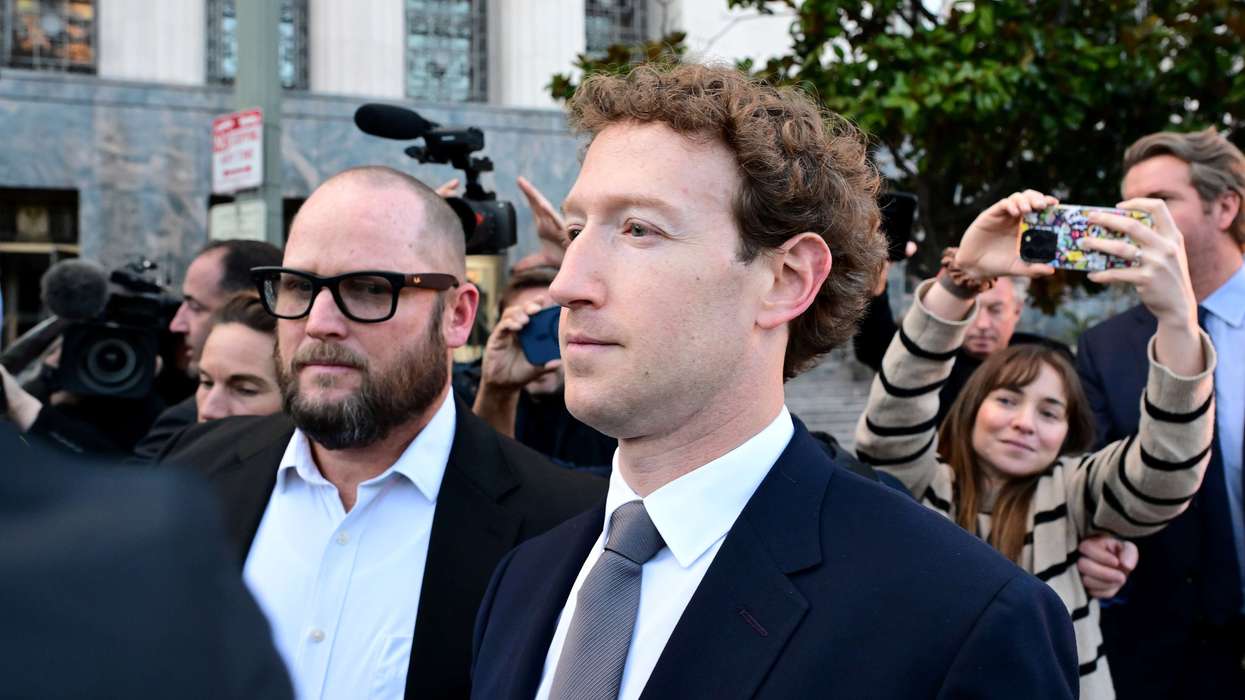
Parents celebrated outside the courthouse, with supporters calling it a "breaking point" between social media companies and the public.
Prime minister Keir Starmer responded that the status quo was "not good enough," highlighting government consultations on potentially banning social media for under-16s.