
- UK inflation slowed to its lowest level since March 2025.
- Falling fuel, air fares and food prices drove the drop.
- Markets are weighing a possible interest rate cut in early spring.
UK inflation dropped to 3 per cent in January, offering some relief for households and sharpening expectations that the Bank of England could soon lower interest rates. The latest UK inflation figures, released by the Office for National Statistics, mark the slowest pace of price growth since March 2025 and broadly matched economists’ forecasts.
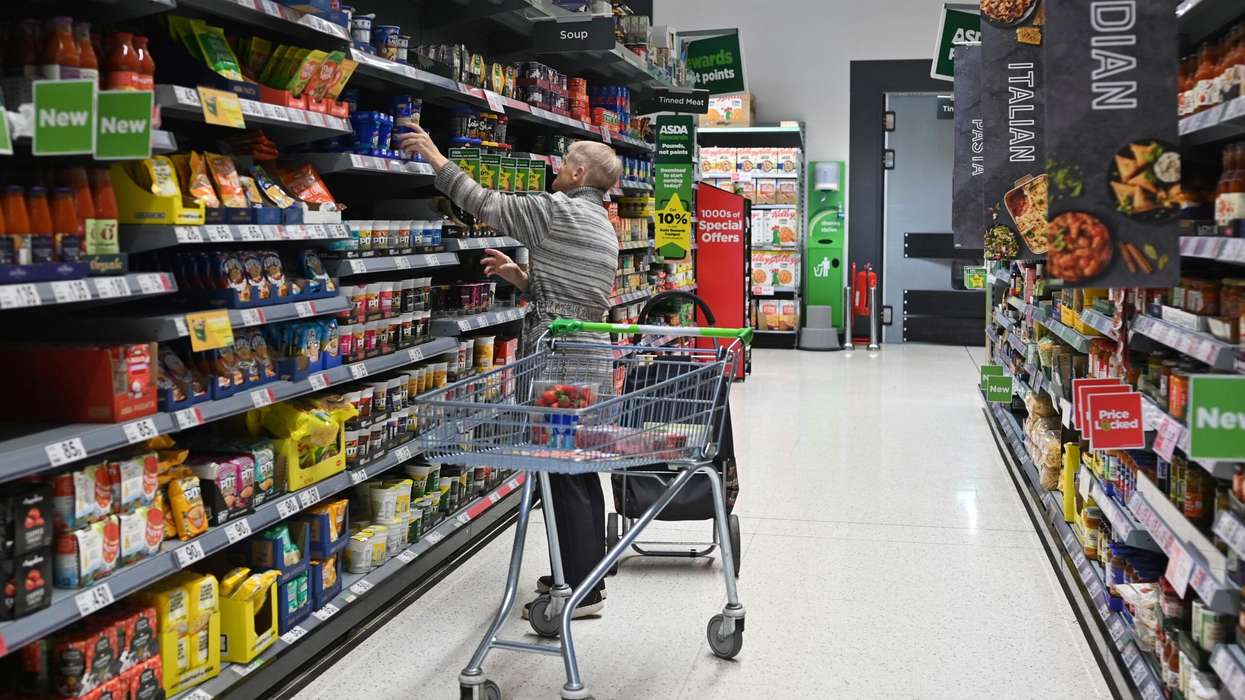
The slowdown was largely driven by cheaper petrol, lower air fares and softer food prices, according to the data. For shoppers, the cost of food and non-alcoholic drinks rose by 3.6 per cent over the year to January, easing from 4.5 per cent in December and hitting a nine-month low.
Fuel costs also helped pull the headline rate down. Petrol and diesel prices fell by 2.2 per cent over the year, compared with a 0.9 per cent rise previously. Petrol prices slipped by 3.1p per litre between December and January to 133.2p, while diesel dropped by 3.2p to 142.5p.
Rate cut hopes gather pace
With inflation having peaked at 3.8 per cent last year and expected by many economists to move closer to the Bank’s 2 per cent target over the coming months, attention is turning to the path of interest rates. The figures have added to speculation that policymakers could lower rates from the current 3.75 per cent as early as the next meeting, particularly as economic growth remains subdued.
Suren Thiru, economics director at the Institute of Chartered Accountants in England and Wales, reportedly said the data makes a spring rate cut look “almost assured”, though he noted that policymakers may still debate whether to move in March or April, as quoted in a news report.
Grant Fitzner, chief economist at the Office for National Statistics, reportedly said falling air fares and lower food prices — especially for bread, cereals and meat — were key factors behind the drop, as quoted in a news report. He added that these declines were partly offset by higher hotel and takeaway prices.
Core inflation, which excludes energy, food and alcohol, edged down to 3.1 per cent from 3.2 per cent, its lowest level since 2021. However, services inflation — closely watched by policymakers — remained relatively high at 4.4 per cent, only slightly below December’s 4.5 per cent and above the Bank’s forecast of 4.1 per cent.
The broader economic backdrop remains fragile. The economy expanded by just 0.1 per cent in the three months to December, while unemployment climbed to a five-year high of 5.2 per cent. Private sector pay growth also cooled, rising 3.4 per cent over the year to December, down from 3.6 per cent the previous month.
Taken together, the latest data suggests inflationary pressures are easing, though the Bank of England may still tread carefully as it weighs the timing of any rate cuts against lingering price pressures in the services sector