
- UK and Germany send over 10 per cent of exports to the US.
- Tariffs of up to 25 per cent have been threatened from June 1.
- Nordic countries appear less exposed after years of diversification.
The UK and Germany could find themselves among the worst hit advanced economies if the latest US tariff threat linked to Greenland turns into policy, with both countries heavily reliant on the American market for exports. Data examined in recent analyses suggest their exposure to the US has barely changed over two decades, leaving them vulnerable to sudden trade shocks.
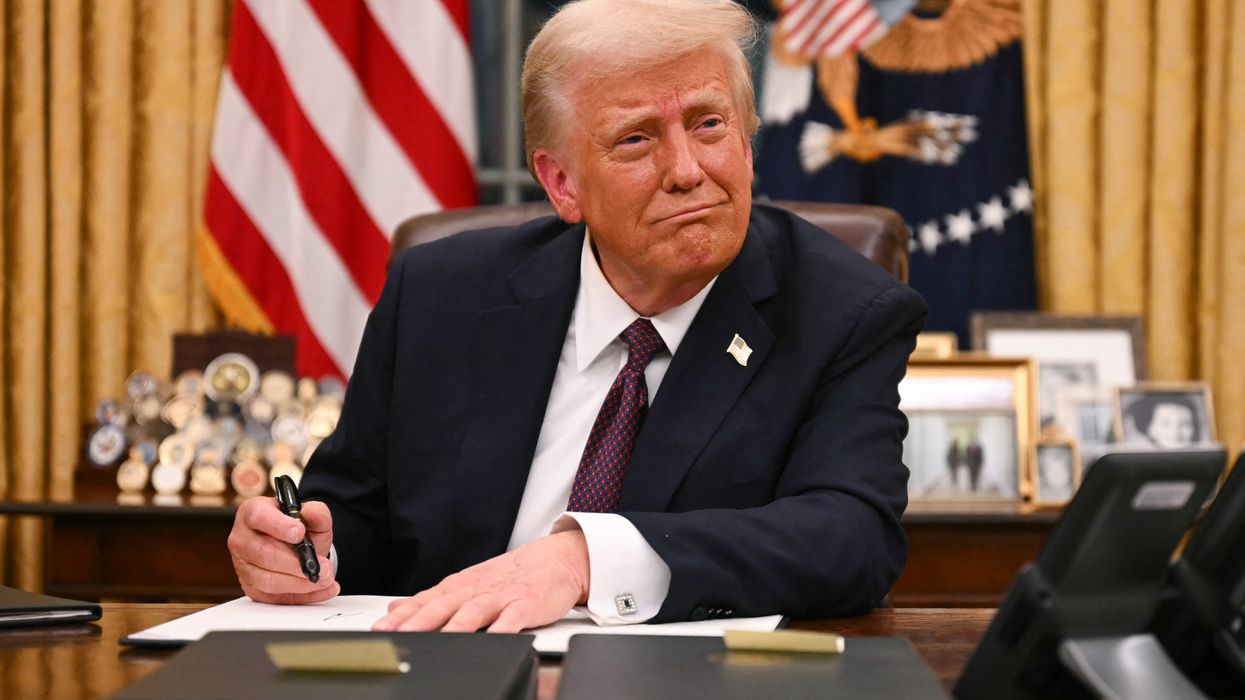
The warning came after US President Donald Trump last week threatened to impose tariffs on countries opposing America’s move to assimilate Greenland. In a post on his social media platform Truth Social, Trump reportedly that goods exported to the US from a group of European countries would face a 10 per cent tariff from February 1, rising to 25 per cent from June 1 if no agreement was reached.
In 2024, the US absorbed 14.1 per cent of total exports from the UK and 10.4 per cent from Germany, among the highest exposure levels in Europe. What stands out is how little this has changed. In the early 2000s, nearly 15 to 16 per cent of British exports were already headed to the US, while Germany’s share hovered close to 10 per cent. Two decades on, the structure looks largely the same.
France sits slightly lower on the risk scale, with the US accounting for 8.6 per cent of its exports in 2024. The Netherlands and Denmark appear relatively less exposed, with around 5 to 5.5 per cent of their exports tied to the US, which could limit the immediate impact if tariffs are imposed.
Nordic economies tell a different story. Sweden, Finland and Norway have steadily reduced their dependence on the US market. Sweden’s export share to the US has fallen from over 11 per cent in the early 2000s to under 9 per cent in recent years. Norway’s shift has been sharper, with exposure dropping from nearly 9 per cent in 2002 to just 3.4 per cent in 2024.
Products matter as much as percentages
Beyond headline figures, the mix of goods being exported adds another layer of risk. France has a sizeable set of products where the US accounts for more than a third of global demand, together worth over £4 billion ($5 billion). Nearly half of its £3.5 billion ($4.4 billion) turbine exports were shipped to the US in 2024.
The UK shows similar concentration in some segments, with about 40 per cent of its hydraulic engine exports going to the American market. Analysts suggest such dependence could leave firms with limited short-term alternatives if tariffs rise abruptly.
Germany’s position appears more nuanced. While its overall exports to the US were valued at nearly £135 billion ($170 billion) in 2024, products where the US accounts for more than a quarter of global demand are worth only around £2.4 billion ($3 billion). This could make it easier, over time, for German exporters to redirect trade to other markets, potentially softening the longer-term impact.
Europe weighs its response
Trump’s threat has also reopened questions about how Europe might respond. France and Germany, along with the UK, Denmark, Norway, Sweden, the Netherlands and Finland, have said the European Union should be ready to act if the US follows through.
Less than six months ago, the US and the EU had agreed on a deal aimed at stabilising transatlantic trade. That agreement, announced after talks involving European Commission president Ursula von der Leyen, set tariffs at 15 per cent on EU goods sold to the US, lower than earlier threats. A package of retaliatory EU tariffs on €93 billion (£80 billion; $108 billion) worth of US goods was suspended pending ratification.
Following the latest warning, German MEP Manfred Weber reportedly said approval of the deal was “not possible at this stage”, as quoted in a news report. Without ratification or an extension of the suspension, EU tariffs on billions of euros worth of US goods could come into force on February 7.
The European Commission has said it would do “everything necessary to protect EU economic interests”, according to spokesperson Olof Gill, but added that tariffs would ultimately harm businesses and consumers on both sides of the Atlantic.