
- UK manufacturers report a sharp drop in domestic demand in early 2026.
- Firms are raising prices at the fastest pace since 2023.
- Oil market volatility and inflation fears may delay interest rate cuts.
Britain’s manufacturing sector is showing signs of strain as domestic demand weakens and costs continue to rise, according to the latest snapshot of the industry. A new report from Make UK suggests that UK manufacturing demand dropped sharply in the first quarter of 2026, leaving factories grappling with slower orders and growing uncertainty.
Manufacturers said they had been forced to raise prices at the fastest pace since 2023, reflecting mounting cost pressures across the sector. Recruitment has also fallen short of expectations, while confidence among firms has slipped for the third quarter in a row.
Make UK described the situation bluntly, saying “UK manufacturing has begun 2026 on a fragile footing,” as quoted in a news report.
The warning comes as wider economic signals also appear weak. Official data released on March 14 showed that UK economic growth stalled in January, raising fresh concerns about the momentum of the broader economy.
Oil prices and inflation fears cloud outlook
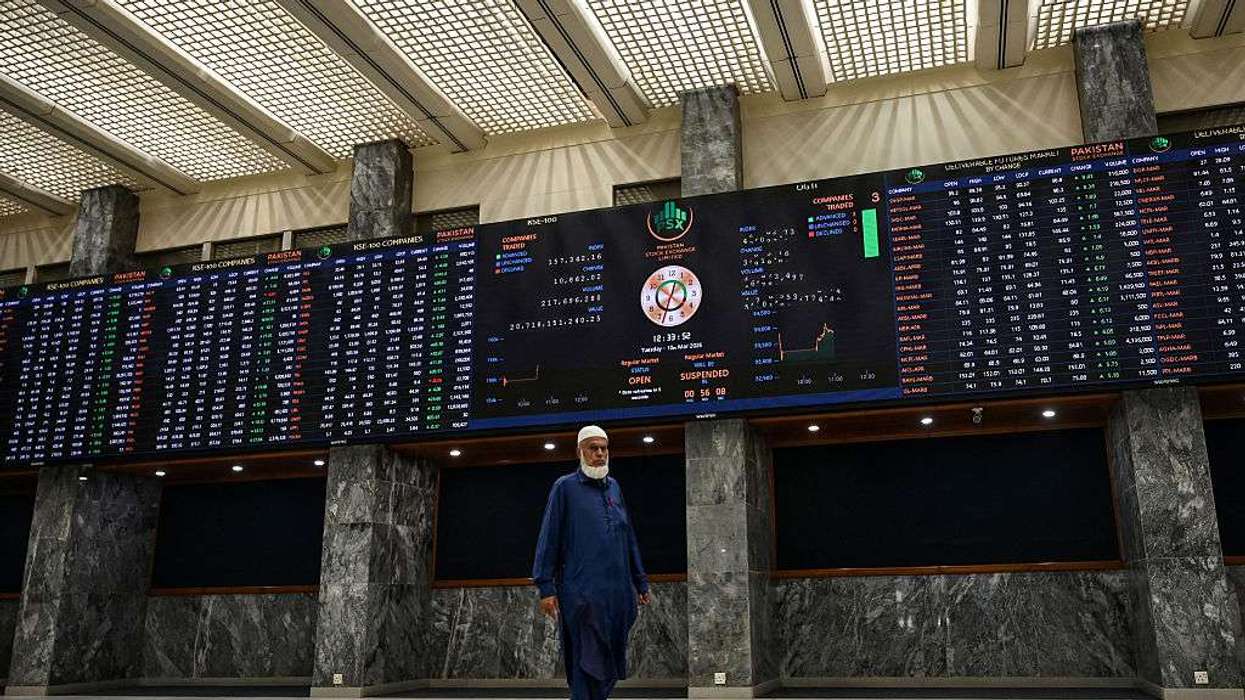
Hopes of an interest rate cut from the Bank of England have also faded as energy prices surge following conflict in the Gulf. Policymakers are widely expected to hold the base rate at 3.75 per cent when they meet on Thursday, amid fears that rising oil and gas prices could push inflation further above the 2 per cent target.
The price of Brent crude oil, the global benchmark, jumped to around $118 (£93) a barrel last week. Prices have eased slightly since then but remain far higher than the $60 to $70 (£47 to £55) range seen before the conflict began.
Brent crude was priced at $103.14 (£81) a barrel when official trading closed on Friday, while informal trading over the weekend suggested prices fluctuating between $100 and $103 (£79 to £81).
Markets have been reacting sharply to developments around the Strait of Hormuz, where uncertainty over tanker movements has added volatility to global oil supplies.
In response to rising fuel costs, Japan has begun releasing oil from its emergency reserves, pledging to release 80 million barrels, equivalent to about 45 days of supply for the country.
Inflation pressure builds across the sector
Make UK’s Manufacturing Outlook report suggests that production did edge up slightly in early 2026 after a slump that followed last year’s Budget. However, the improvement appears fragile, with businesses still facing rising costs and weakening demand.
Fhaheen Khan, senior economist at Make UK, said the situation remains delicate.
“While output and investment show some improvement after a challenging end to last year, rising costs and weakening domestic demand are creating real pressures for businesses,” Khan reportedly said, as quoted in a news report. He added that the outlook remained “precarious”.
Manufacturing makes up about 9 per cent of the UK economy, but its importance goes far beyond that share. The sector accounts for roughly 34 per cent of the country’s exports and nearly 47 per cent of research and development spending.
The report also points to growing inflationary pressure. A net balance of 31 per cent of manufacturers said they were increasing prices, the highest level recorded since spring 2023.
Attention is now turning to upcoming labour market data due on Thursday, which could give a clearer picture of wage pressures as unemployment begins to rise.
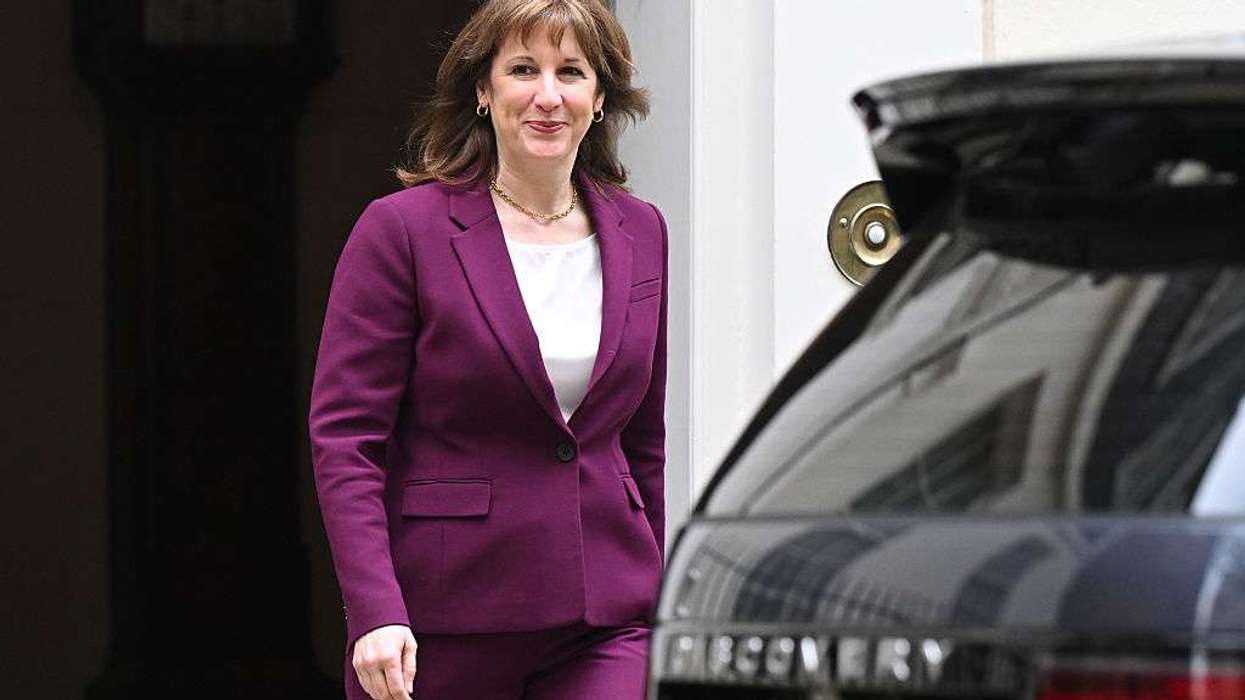
Investors are also watching the government bond market closely after Chancellor Rachel Reeves said she was considering “different options” to support households facing rising energy bills, reportedly said in a news report.
The 10-year UK government bond yield has climbed to 4.82 per cent, rising 0.41 percentage points over the past month, a sign that markets expect the cost of government borrowing to remain elevated.