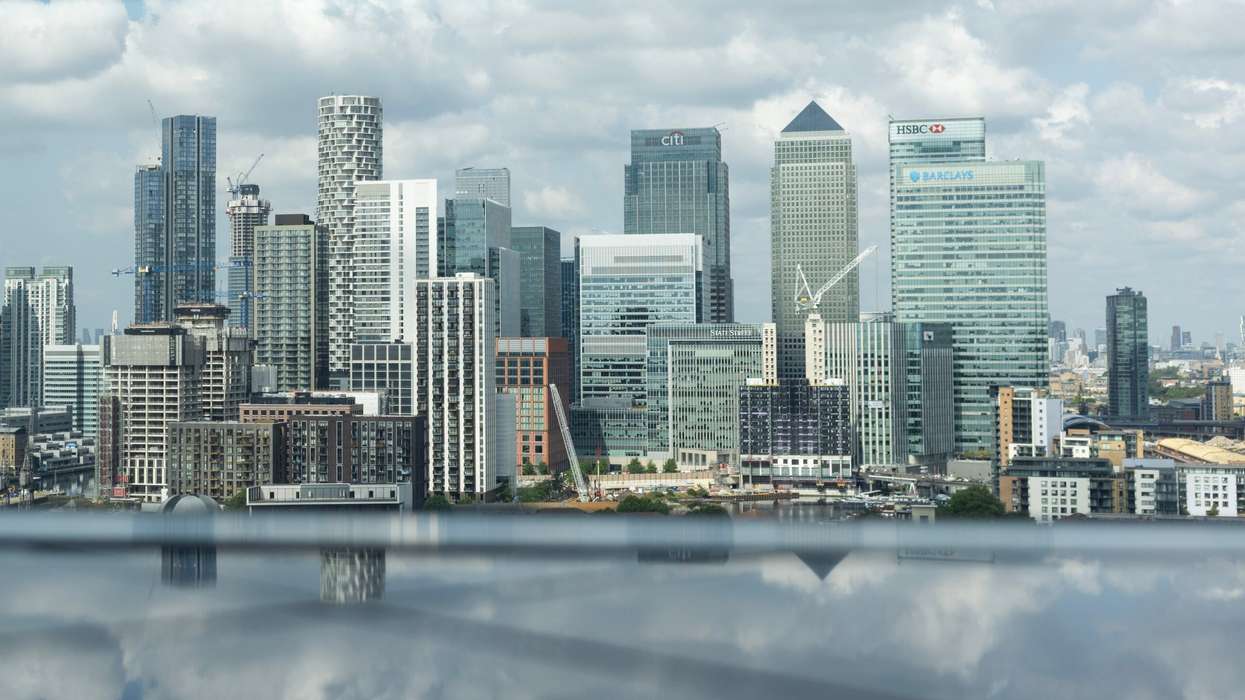

UK's ECONOMY recorded zero growth in January, according to official figures released on Friday, raising concerns about the outlook as oil prices rise due to the West Asia conflict.
Gross domestic product showed no growth at the start of the year after expanding by 0.1 per cent in December, the Office for National Statistics said in a statement.
The UK economy has struggled to expand since prime minister Keir Starmer’s Labour Party took office in July 2024, and it may face further pressure, along with other major economies, as the conflict pushes inflation higher.
Responding to Friday’s data, chancellor Rachel Reeves said "there is more to do" to grow the UK economy "in an uncertain world".
Earlier this week, she warned that Britain could face rising inflation as a result of the war involving Iran, the United States and Israel.
January's growth data "is almost entirely overshadowed by events in the Middle East, with oil prices continuing to climb despite the release of emergency reserves and fears growing over unprecedented supply disruption", said analyst Samuel Edwards at financial services firm Ebury.
"With the UK heavily exposed to this inflationary shock, businesses across the country will be bracing for a surge in energy and fuel costs and interest rates staying higher for longer."
The Bank of England had been widely expected to cut its benchmark interest rate next week before the conflict began, but forecasts now suggest it could keep borrowing costs unchanged or raise them due to inflation risks.
And "GDP growth is more likely to lose momentum in the coming months rather than gain it", said Paul Dales, chief UK economist at Capital Economics research group.
"An energy price shock also reduces GDP growth," he added.