
- Britain says NATO Arctic talks are routine, not a shift in policy
- Media reports point to early discussions on a possible Greenland deployment
- US claims on threats near Greenland are disputed by Nordic diplomats
Britain has moved to cool speculation about a possible military deployment to Greenland, saying discussions with allies on Arctic security are routine and ongoing.
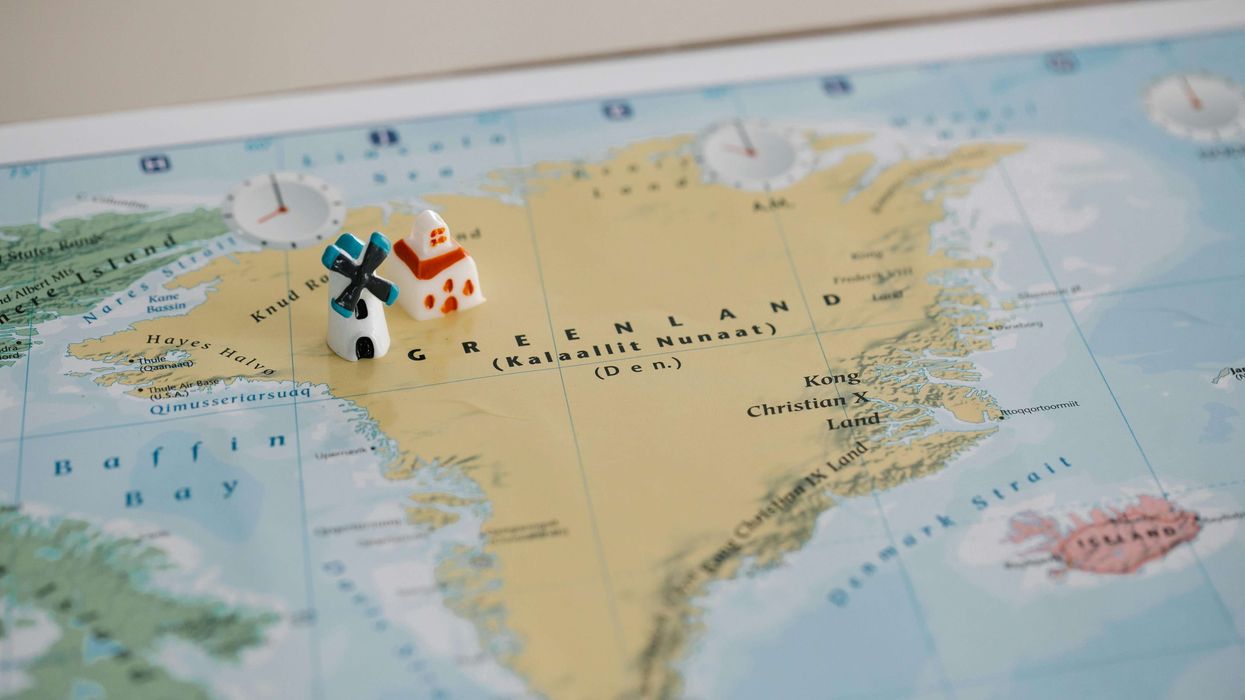
The comments came after media reports suggested Britain was holding talks with European partners about a potential NATO mission in Greenland, an Arctic territory that has recently drawn attention because of its strategic location and mineral resources.
On January 12, Britain said conversations with allies on deterring Russian activity in the Arctic were “business as usual”, following reports that military planners were exploring options to strengthen NATO’s presence in the region.
Arctic back on the agenda
The Telegraph reported on January 11 that military chiefs from Britain and other European countries were working on early-stage plans for a possible NATO mission in Greenland. The newspaper said officials had begun discussions with Germany, France and other allies on options that could involve British troops, warships and aircraft, reportedly aimed at countering Russian and Chinese influence.
Asked about the report on Sky News, British transport minister Heidi Alexander said such discussions were routine within the alliance. She reportedly said the Arctic was becoming an increasingly contested geopolitical region and that it was normal for NATO members to talk about how to deter Russian aggression in the Arctic Circle.
A government spokesperson said Britain was committed to working with NATO allies to strengthen deterrence and defence in the Arctic, without confirming any specific deployment plans.
Trump claims, European doubts
The renewed focus on Greenland follows repeated comments by Donald Trump, who has said the US must own Greenland to prevent Russia or China from occupying the territory in the future. Greenland is an autonomous region within the Kingdom of Denmark.
Trump has argued that the existing US military presence on the island is not sufficient. However, Nordic diplomats have pushed back on those claims. The Financial Times reported on January 12 that diplomats from the region rejected assertions that Russian or Chinese vessels were operating near Greenland.
Denmark has also disputed Trump’s statements. Vessel tracking data from MarineTraffic and LSEG reportedly showed no Chinese or Russian ship presence close to Greenland.
Bloomberg News reported on January 12 that a group of European countries, led by Britain and Germany, was discussing ways to boost military presence in Greenland. Citing people familiar with the talks, the report said Germany was expected to propose a joint NATO mission focused on protecting the wider Arctic region.
Also, some European governments believe a stronger NATO footprint in the Arctic could persuade Trump to drop his idea of seizing Greenland.
For now, British officials are framing the discussions as part of regular alliance coordination, even as Greenland quietly becomes a focal point in wider debates over Arctic security and great power competition.