
- UK gilt yields jumped sharply as investors sold government bonds.
- Oil prices surged close to $120 a barrel, raising fresh inflation concerns.
- Higher borrowing costs could tighten the government’s fiscal room.
UK government borrowing costs have climbed sharply as the war in the Middle East sends fresh shockwaves through global energy and financial markets.
Investors have begun selling off UK government bonds, pushing gilt yields higher and raising concerns that inflation could remain stubbornly high. The shift is largely tied to a sudden jump in oil prices, which surged close to $120 a barrel as tensions around Iran intensified.
The yield on the UK’s 10-year government bond rose by around 14 basis points, a move that signals investors are demanding higher returns to hold government debt.
Shorter-term borrowing costs rose even more sharply. The two-year gilt yield jumped by more than 23 basis points, while the 30-year yield increased by about eight basis points.
The gap between short and long-term yields is being interpreted by some analysts as a sign that markets believe the Bank of England may hold off on cutting interest rates in the near future.
Oil shock threatens inflation outlook
At the centre of the market anxiety is the Strait of Hormuz, a narrow but crucial shipping route between Iran and Saudi Arabia.
Around 20 per cent of the world’s oil supply usually moves through the strait. However, shipping traffic has reportedly dropped sharply amid the conflict, with only a handful of vessels passing through in the past week compared with roughly 138 ships on a typical day.
That disruption has already begun pushing energy prices higher.
Oil prices reportedly surged by nearly 30 per cent overnight, raising concerns that the spike could derail hopes of bringing UK inflation down to the Bank of England’s 2 per cent target by the end of the year.
Government forecasters have estimated that a 20 per cent increase in energy prices can add roughly one percentage point to inflation.
If that happens, the central bank may be forced to keep interest rates higher for longer than previously expected.
Pressure builds on government finances
The rise in borrowing costs could also complicate the government’s fiscal plans.
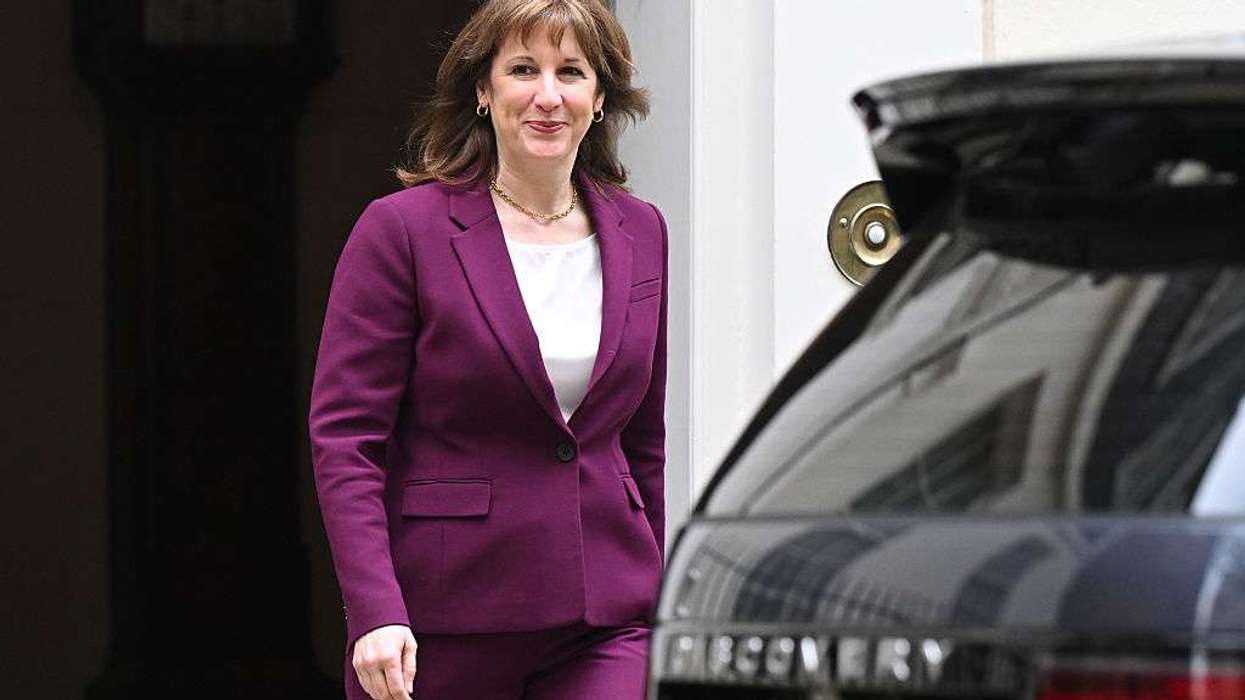
Higher gilt yields mean the UK Treasury must pay more to borrow money, a development that could tighten Chancellor Rachel Reeves’ room for manoeuvre on public spending.
Recent declines in borrowing costs had offered a bit of breathing space. In the Spring Statement, the Office for Budget Responsibility revised the government’s fiscal headroom up from £21.7bn to £23.6bn.
However, that cushion could shrink if market turmoil continues.
The government is already expected to pay close to £110bn to lenders in the current financial year, with the bill projected to rise to about £134.7bn by 2030. Analysts now suggest those figures could climb further if bond yields continue rising.
Against this backdrop, finance ministers from G7 countries including the US and Germany are expected to meet alongside officials from the International Energy Agency on March 10 to discuss the surge in oil prices.
According to reports, governments could consider releasing oil from strategic reserves — a step usually reserved for major global disruptions.
The last coordinated release of emergency oil reserves took place in 2022 following Russia’s invasion of Ukraine.