
- Industry groups warn high taxes could hurt competitiveness.
- UK banks paid about £35.2bn in taxes in the latest financial year.
- Political uncertainty is seen as a growing risk for the sector.
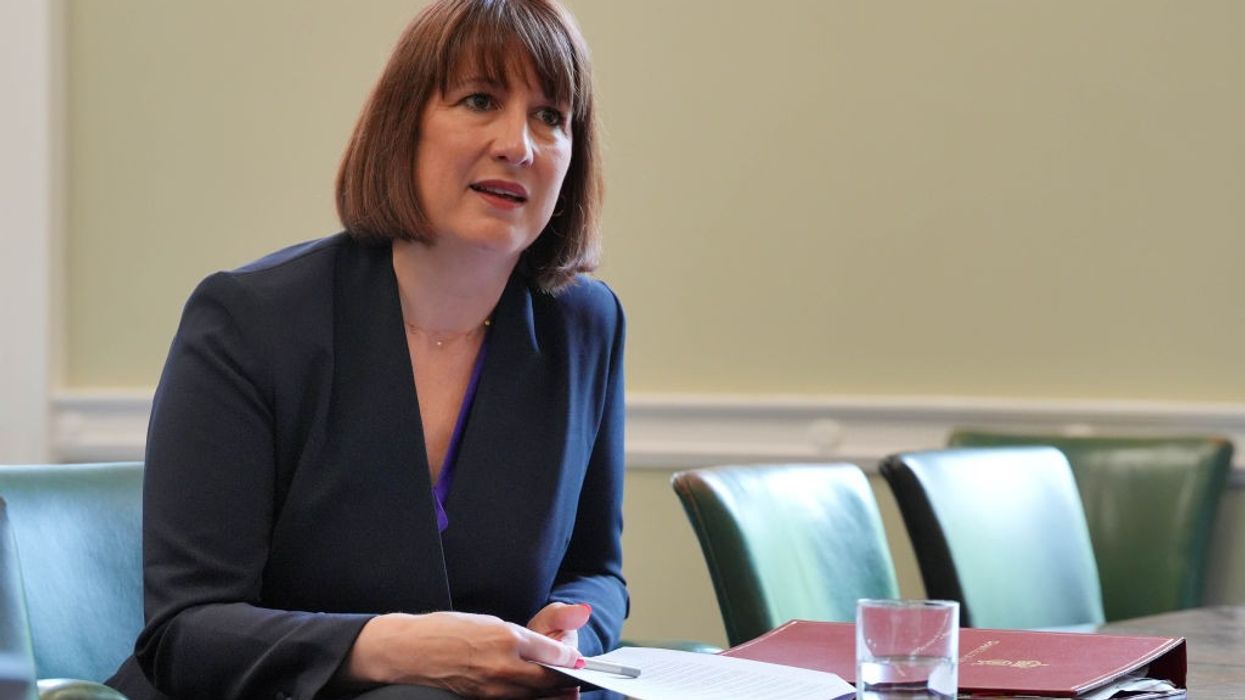
Rachel Reeves is facing renewed pressure to cut taxes on the banking sector after fresh research highlighted what industry groups describe as a growing competitiveness gap for UK lenders. The debate over UK bank taxes and the wider UK banking sector comes as policymakers weigh how to balance public finances with keeping the City attractive to global firms.
A new report from the Association for Financial Markets in Europe and KPMG argues that while there may be a “political rationale” for sector-specific taxes, the cost of these levies is ultimately passed on through higher prices for banking services and customers, as quoted in a news report. The findings have added momentum to calls for a rethink of how banks are taxed in the UK.
The Chancellor had avoided a fresh tax increase on banks in the Autumn Budget, despite expectations that the sector could be targeted. The report now urges the government to go further by committing not to raise bank taxes for the rest of the parliament and by simplifying the overall tax framework.
A hefty tax bill — and calls for change
UK banks paid around £35.2bn in taxes in the 2024 to 2025 financial year, according to HMRC data, up from £23.3bn before the financial crisis. The overall tax rate on lenders rose to 46.4 per cent from 45.8 per cent, partly reflecting changes to employers’ national insurance contributions.
Banks in the City face a combination of taxes including corporation tax, a sector-specific surcharge, the bank levy, VAT, property taxes and national insurance. The bank levy is charged on debts and liabilities to encourage more stable balance sheets, while the surcharge adds an extra three per cent on top of the standard 25 per cent corporation tax on profits.
The industry group has called for the levy to be phased out over time to bring the regime closer to the wider economy and for compliance rules to be simplified, as quoted in a news report.
Speculation had grown ahead of the Autumn Budget that banks could face higher taxes as the government looked for ways to raise revenue. Some think tanks and opposition voices had pushed for tougher measures, with the Institute for Public Policy Research suggesting a new levy on profits linked to quantitative easing could raise up to £8bn a year.
Reeves ultimately chose not to pursue that route, and several major banks announced significant UK investment plans within days of the Budget.
Politics adds another layer of uncertainty
Political signals have also been closely watched by the sector. At a London banking conference in November, City minister Lucy Rigby said banks should be taken off the “naughty step” as the government looks at easing parts of the post-financial crisis regulatory framework, as quoted in a news report.
Analysts have pointed to political uncertainty as a potential risk, with questions around Prime Minister Keir Starmer’s leadership adding to the backdrop. Ratings agency Moody’s has warned that a shift towards a more left-leaning leadership could prove “uncomfortable” for the industry, reportedly said in commentary on the sector outlook.
Meanwhile, Reform UK leader Nigel Farage has signalled support for tougher measures, saying at the World Economic Forum in Davos that banks would no longer get “free money” from quantitative easing, as quoted in a news report.
The direction of travel on bank taxation remains uncertain, but the latest report has once again put the issue firmly back on the policy agenda as the government weighs competitiveness against fiscal pressures.