
THE UNITED KINGDOM’s changes to its asylum system came into force on Monday, the Home Office said. The new rules reduce protections for refugees and their children.
Under the changes, refugee status for adults and their accompanying children will be reviewed every 30 months.
"Refugee status will become temporary and subject to review," the Home Office said in a statement released late Sunday, adding the changes would take effect on March 2.
After 30 months, "refugees with a continuing need for sanctuary will have their protection renewed, while those whose countries are now deemed safe will be expected to return home".
The reforms include an exception for unaccompanied minors. They will continue to receive protected status for five years "while the Government considers the appropriate long-term policy for this group".
The changes were first announced in November. Home secretary Shabana Mahmood said the previous system was too generous compared with other European countries.
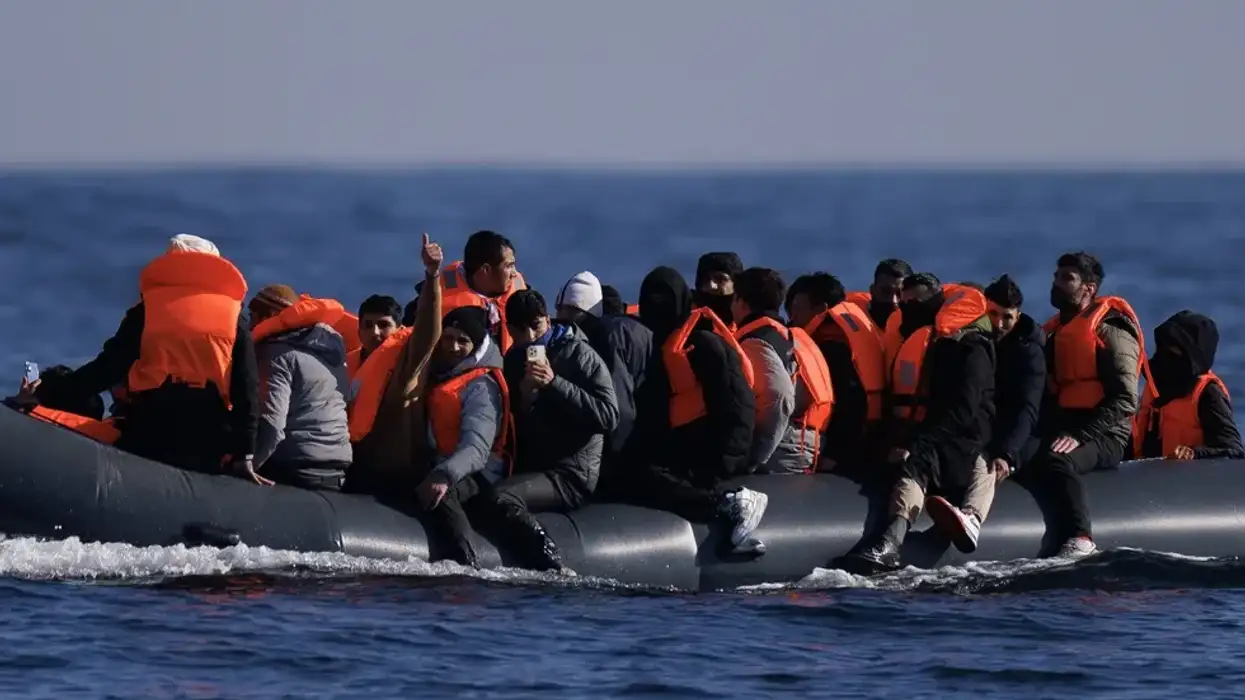
"We must also ensure our asylum system is not creating pull factors that draw people on dangerous journeys across the world, fuelling and funding human traffickers," she said in the Home Office statement.
The tougher approach has been seen as an attempt to address rising support for Nigel Farage’s Reform UK party.
Charities and some lawmakers from prime minister Keir Starmer’s Labour party criticised the reforms. They said the changes would uproot refugees who have settled in Britain.
Other proposed measures, including requiring refugees to wait 20 years instead of five before applying for permanent residency, will need parliamentary approval.
The government said it had taken inspiration from Denmark, which has reduced asylum applications to their lowest level in 40 years after tightening immigration rules.
More than 110,000 people claimed asylum in the UK in the year ending September 2025. This was 13 per cent higher than the previous year and seven per cent above the previous peak of 103,081 in 2002, according to a Home Office report released in November.
The top five nationalities of people claiming asylum were Pakistan, Eritrea, Iran, Afghanistan and Bangladesh.
Although asylum claims reached a record level, the number of refusals increased. Initial approvals rose slightly in 2025 compared with 2024.
(With inputs from agencies)