
Skip to content
Search

Latest Stories

Tulip Siddiq to face corruption trial in Bangladesh on August 11

Bangladesh’s Anti-Corruption Commission (ACC) confirmed Siddiq’s case will be heard along with more than 20 others, including Hasina and family members.

tulip-siddiq-getty

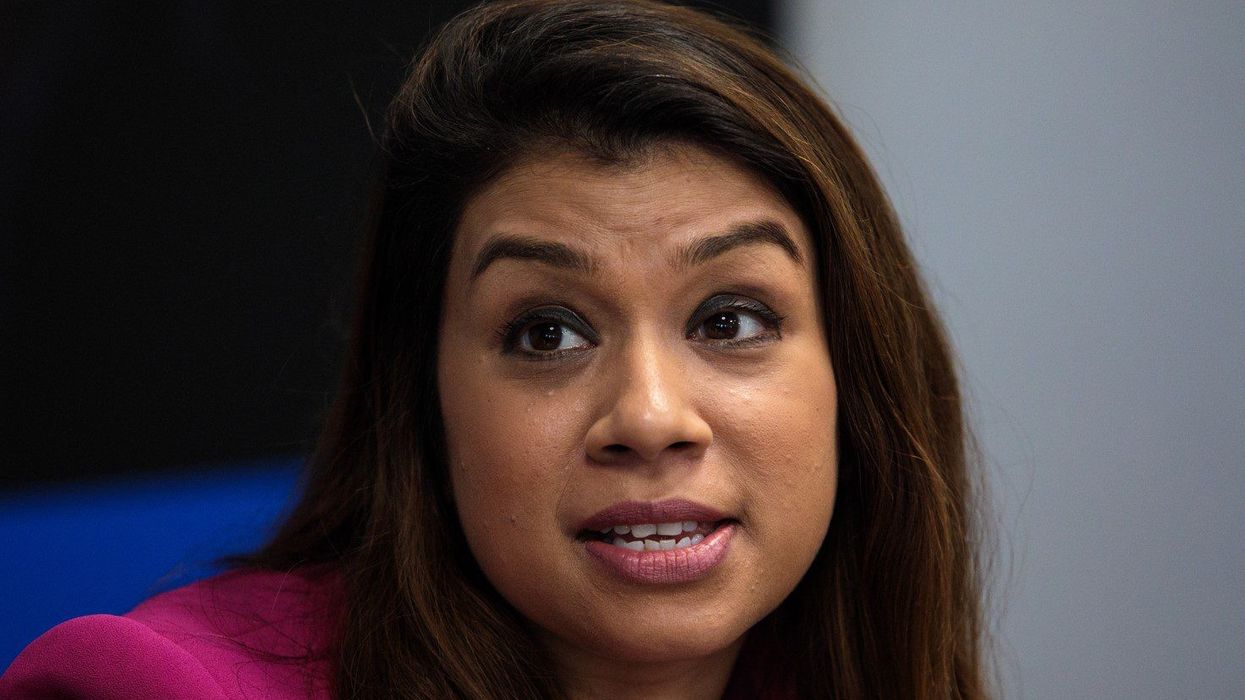
Siddiq is accused of influencing her aunt’s administration to secure a plot of land in Purbachal, Dhaka, for her mother, brother, and sister. (Photo: Getty Images)

LABOUR MP Tulip Siddiq is scheduled to face trial in Bangladesh on August 11 over corruption allegations. The case is part of a wider investigation into the regime of her aunt, former prime minister Sheikh Hasina, who was deposed last year.

Bangladesh’s Anti-Corruption Commission (ACC) confirmed Siddiq’s case will be heard along with more than 20 others, including Hasina and family members.


If Siddiq does not attend, the trial will proceed in her absence, BBC reported.

She is accused of influencing her aunt’s administration to secure a plot of land in Purbachal, Dhaka, for her mother, brother, and sister.

Siddiq has denied the allegations, saying she has not been contacted by Bangladeshi authorities and does not own any land in Purbachal. Lawyers for Siddiq called the accusations “politically motivated” and a “smear campaign.”

Bangladesh issued an arrest warrant for Siddiq earlier this year. The ACC is also investigating her in a separate case over alleged embezzlement of £3.9bn linked to a 2013 nuclear power plant deal. Siddiq has denied involvement.

Siddiq resigned as UK treasury minister in January, saying staying on would be a “distraction,” while insisting she had done nothing wrong.

More For You

Black and mixed ethnicity children face systemic bias in UK youth justice system, says YJB chair

Keith Fraser

gov.uk

Black and mixed ethnicity children face systemic bias in UK youth justice system, says YJB chair

Highlights

  • Black children 37.2 percentage points more likely to be assessed as high risk of reoffending than White children.
  • Black Caribbean pupils face permanent school exclusion rates three times higher than White British pupils.
  • 62 per cent of children remanded in custody do not go on to receive custodial sentences, disproportionately affecting ethnic minority children.

Black and Mixed ethnicity children continue to be over-represented at almost every stage of the youth justice system due to systemic biases and structural inequality, according to Youth Justice Board chair Keith Fraser.

Fraser highlighted the practice of "adultification", where Black children are viewed as older, less innocent and less vulnerable than their peers as a key factor driving disproportionality throughout the system.

Keep ReadingShow less