
This frenetic January feels like a harbinger of things to come - casting 2026 as a year of accelerating anxiety.
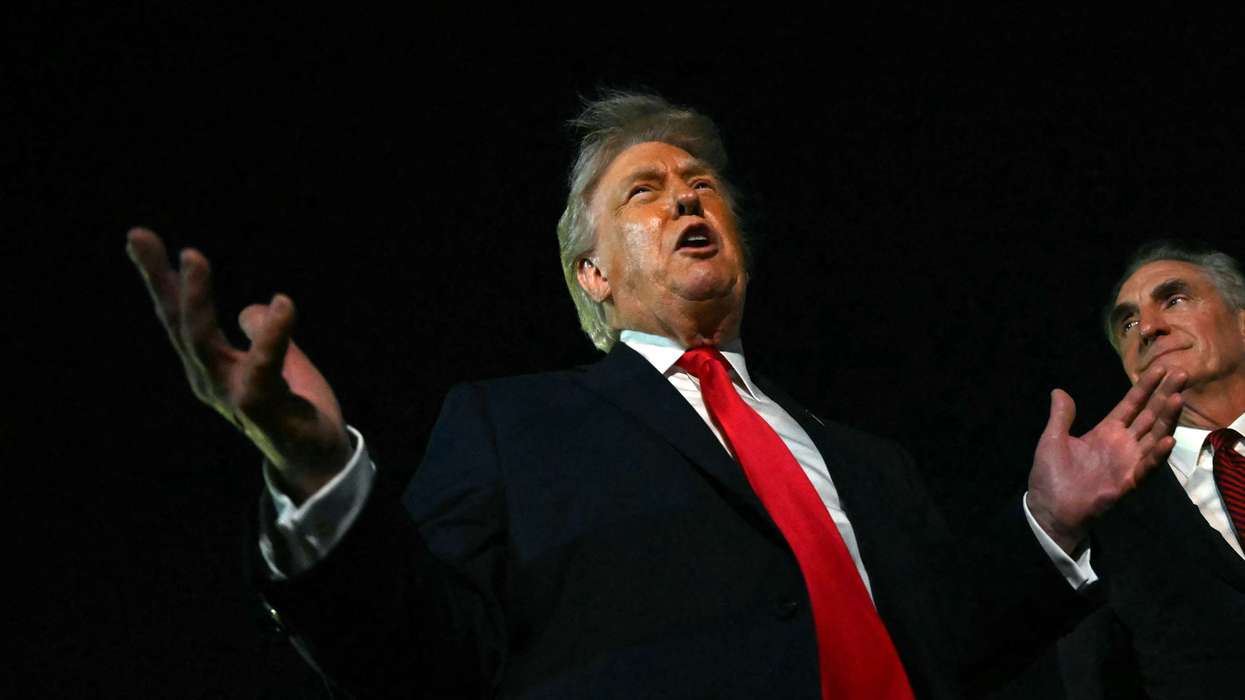
US president Donald Trump’s insistence that he simply must have Greenland seems curiously familiar to any parent of a toddler. But his desire to seize territory from a fellow NATO member puts America’s European allies under ever greater strain in their effort to limit the damage of Trump’s return to the White House. The president’s tantrum threat of tariffs adds untimely economic pressure to this long period of stagnant growth, which can feed ‘zero-sum’ thinking about who gains and loses in tough economic times. The psychological impact of doom-scrolling about the latest madness should not be underestimated - though many people try to avoid the news altogether.
The defection dramas of domestic politics - as Tory leader Kemi Badenoch expelled her leadership rival Robert Jenrick last week, having discovered his plan to join Nigel Farage in Reform - may excite the general public less than they grip Westminster. The next general election may well still be three years distant. But the plots and counter-plots reflect a political party system more in flux than at any time for a century and how the choices on the ballot paper about the future of our society may be deeper than the question of who governs.
How do efforts to build greater community cohesion respond to such a febrile context? That has also been a quietly recurring new year theme, with several efforts to convene those seeking to bridge our increasingly visible social divides, bringing together insights from research, policy and community engagement. There is probably more confidence about what works in the long-term - the patient relationship-building work that can strengthen local resilience - than in how to contest the acceleration of division in online and media eco-systems in real time.
Another practical challenge is how to reach those least likely to take part in local community-building activities - but who may often be those most susceptible to narratives driving fear and threat perceptions of ‘out groups' which seek to legitimise prejudice, hatred and ultimately violence. A stronger, shared vision would help, despite some anxiety about how far national leaders and institutions have the public standing to narrate it. But some of the missing links - including why community cohesion matters to national security - do require national leadership as well as local and civic efforts.
There will be more visible efforts this spring to contest Tommy Robinson’s false claim to speak for Britain. Mobilising a stronger alternative to right-wing authoritarianism is an important focus for those who feel that Trump and Farage and their allies have set the agenda. Those political arguments about the future of our country will inevitably polarise as much as unite opinion. A fragmented party system creates intense rivalry in a fragmented party system among those competing within the same broad ‘progressive’ and ‘conservative’ blocs of public opinion.
But a national electoral winning post much closer to 33 per cent than 50 per cent of the vote puts the parties under comparatively little pressure to bridge out, focusing mostly on seeking to mobilise one side of what both progressives and populists will declare to be a high stakes battle for the soul of the nation. How far is there a distinct British Asian perspective on these cohesion challenges?
There may be shared and distinct experiences of these volatile times. Many people feel a jarring contrast between the promotion of a dystopian discourse which insists that Britain is broken, even on the brink of civil war, with the lived reality of the ordinary hopes and everyday pressures of pursuing fulfilling family relationships, education achievement and progress at work, and positive relationships with neighbours.
But the last year or two have seen the most concerted effort for a generation to challenge the status, even the very presence, of ethnic minorities in Britain. Fantasies of total ‘remigration’ – the new code for kicking the ethnic minorities out, too – will surely fail. What has struck me is how this mobilisation of extreme voices is now having a galvanising effect on those seeking to bridge divides in our society, both locally and nationally. Broad confidence that our society will not ‘go back to the 1970s is mixed with frustration at having to refight old battles that once seemed to have been won.
Rebalancing the narrative depends on amplifying that everyday story of successful integration, which can become invisible when it works, while failures grab the headlines. Yet, there is a recognition of real challenges to grip - including defusing inter-minority tensions, such as those which broke out in Leicester four years ago. There are opportunities to rebuild broader solidarities that reflect shared values and interests across and beyond British Asian communities in how we live well together.

Sunder Katwala
British Future
The author is the director of thinktank British Future and the author of the book How to Be a Patriot: The must-read book on British national identity and immigration.



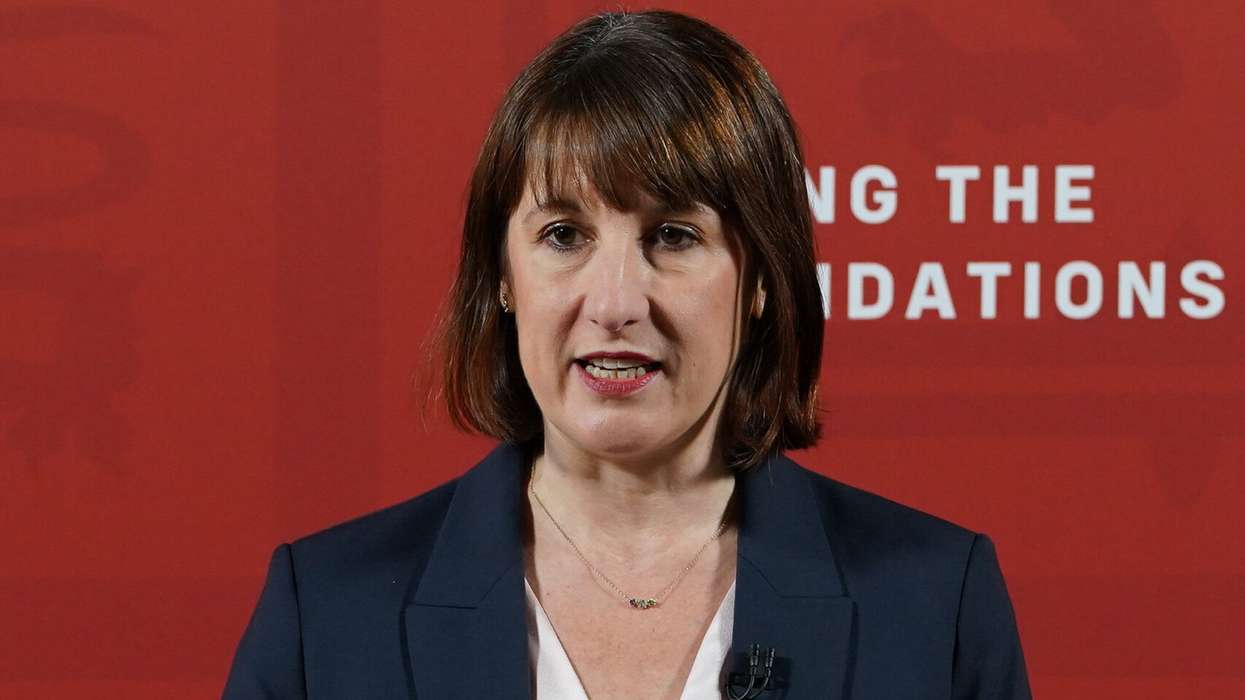 Rachel Reeves Getty Images