
- Treasury offices are due to see a drop in their business rates bill in 2026/27
- Pub and hospitality bills are expected to rise after higher property valuations
- Industry groups warn the changes could push some venues to the brink
The offices of HM Treasury are set to benefit from a reduction in business rates, even as changes overseen by the department are expected to push up bills for thousands of pubs and hospitality businesses.
According to an analysis of official figures by tax firm Ryan, the Treasury’s headquarters at 1 Horse Guards Road will see its annual business rates bill fall by £288,180 in the 2026/27 financial year.
This comes despite the building’s rateable value increasing by 4 per cent. The total bill is expected to drop to £9.62 million, largely due to changes in the multiplier used to calculate business rates and adjustments to the tax base for rateable properties.
A Treasury spokesperson reportedly said property valuations are calculated independently by the Valuation Office Agency. The spokesperson added that HM Treasury would pay a higher multiplier to help fund lower rates for high street businesses, as part of efforts to rebalance the system.
Pubs face steeper climb
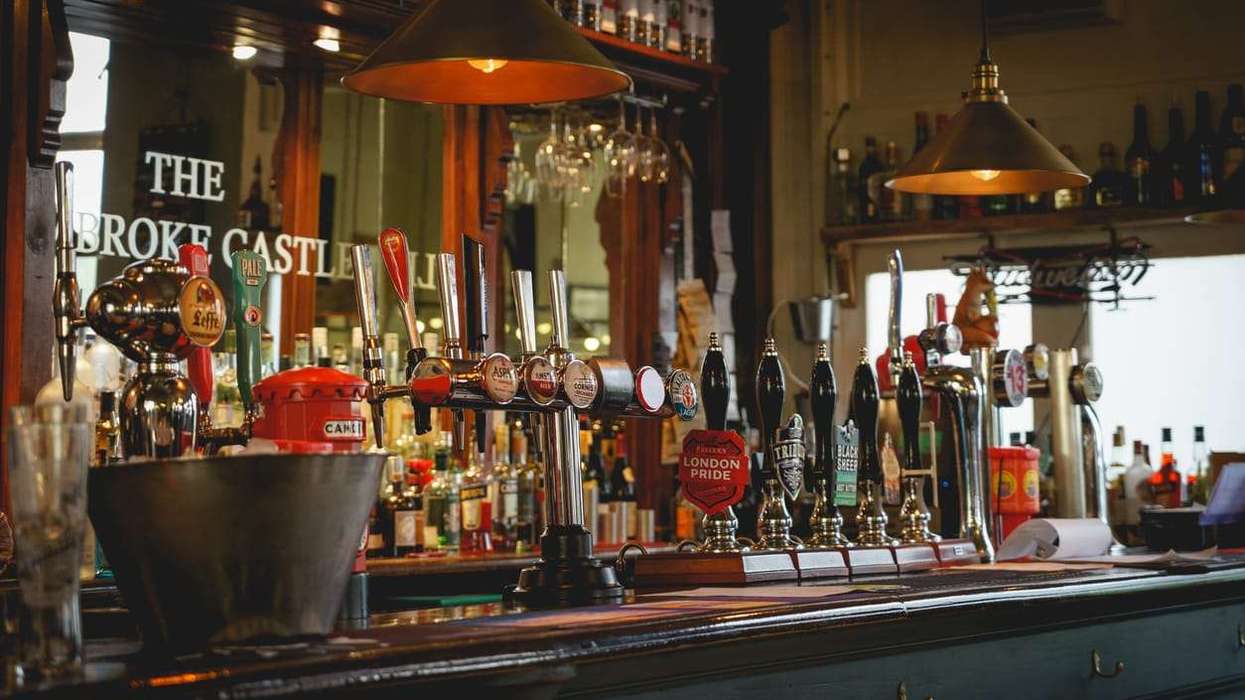
While some large offices in Central London are seeing modest relief, hospitality businesses are heading in the opposite direction. New property valuations for 2026 have led to a sharp rise in the average rateable value of pubs, hotels and similar venues.
British pubs are expected to see their rates bills increase from next year after their rateable values rose by 32 per cent, based on VOA data. This follows a decision to end a 40 per cent discount for hospitality, retail and leisure firms from April. The discount is set to be replaced by transitional relief measures, which are due to be phased out by April 2029.
In the November budget, the Chancellor said business rates would be permanently lower for small retail, hospitality and leisure businesses. Sector leaders have questioned that claim in recent weeks, warning that higher valuations could outweigh any benefit from lower multipliers.
Warnings from the high street
Industry groups have cautioned that the changes could trigger closures and job losses across the UK. Tax experts also point out that many office buildings are not escaping the impact of the overhaul.
Alex Probyn, practice leader for Europe and Asia-Pacific property tax at Ryan, reportedly said that across seven major Central London office districts, an 11.9 per cent rise in rateable values adds £607.9 million of additional value. Even after lower multipliers and transitional relief, this could translate into a £78.7 million increase in business rates liabilities in 2026/27 once supplements are included.
The Government has indicated it plans to announce further financial support for pubs in the coming weeks. Hotels and other hospitality businesses have issued fresh appeals, amid concerns they may not qualify for any new relief.
For now, the contrast is stark: as Whitehall benefits from a lower bill, much of the high street is preparing for a tougher year ahead.