
- First visit in eight years
- Trade and investment take centre stage
- Markets watch for signals of reset
The British prime minister’s visit to China is expected to be welcomed by UK businesses and is being viewed as a sign that relations between the two countries are entering a new phase. John N M Mclean, chair of the China UK Business Development Centre, reportedly said the trip sends a message that China UK business ties are being reset in 2026, particularly through high-level meetings with China’s leadership.
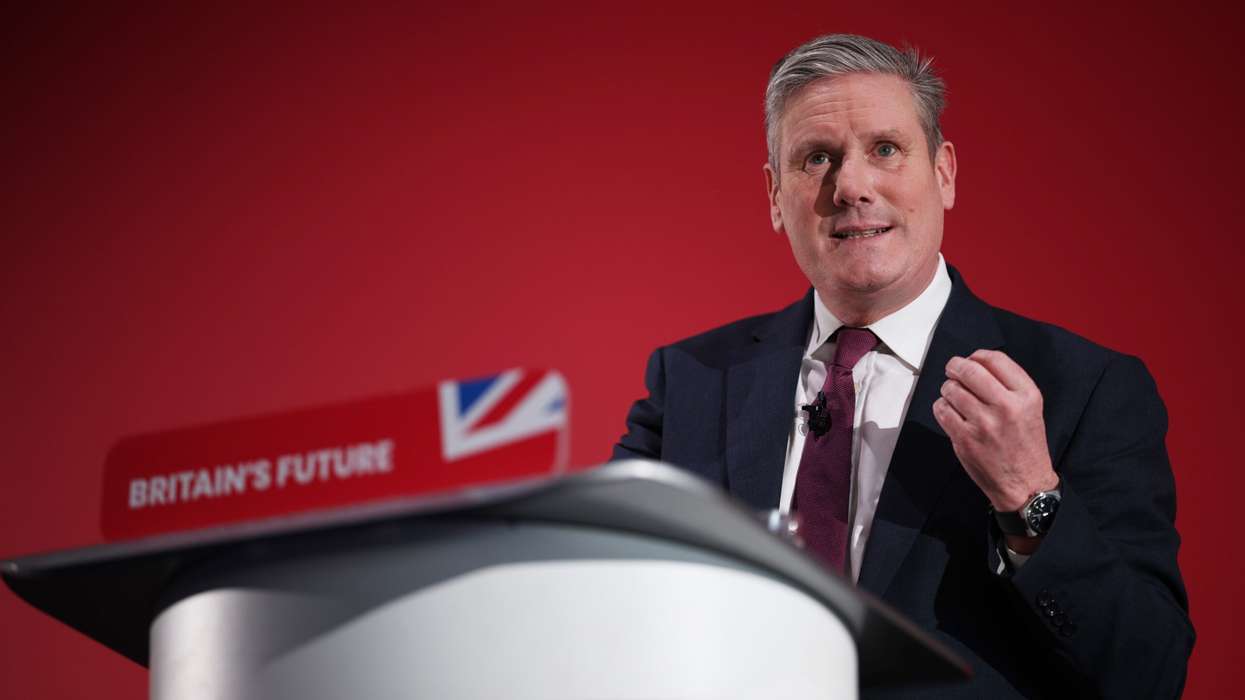
British Prime Minister Keir Starmer is visiting China from January 28 to 31 at the invitation of Chinese Premier Li Qiang, China’s foreign ministry said, as reported by Xinhua News Agency. This marks the first official visit by a UK prime minister to China in eight years.
Mclean was quoted by the Global Times as saying that the UK China relationship has gathered renewed momentum over the past 18 months and that the visit would be seen as a visible signal of a new phase shaped by dialogue and openness. He reportedly added that both countries now have clearer economic roadmaps, with the UK’s modern industrial strategy and China’s 15th five-year plan for 2026–2030 offering complementary directions for cooperation.
Ahead of the visit, Starmer said in an interview with Bloomberg that the UK would continue to maintain close relations with the US while also engaging with China. Ignoring China, the world’s second largest economy, would not be a sensible approach, he reportedly said, while stressing that economic ties are a priority during the visit.
Trade numbers and expectations
China’s Ministry of Commerce of the People's Republic of China has indicated that trade and investment cooperation will be a key focus of the trip. A spokesperson reportedly said documents related to economic cooperation are expected to be signed, with the aim of creating new growth points in bilateral trade and investment.
In 2025, trade in goods between China and the UK reached £81.6 billion ($103.7 billion). Trade in services is expected to exceed £23.6 billion ($30 billion), while two-way investment stock has reached nearly £53.4 billion ($68 billion), according to official figures.
Starmer is accompanied by more than 50 executives from major British companies operating in sectors including finance, pharmaceuticals, manufacturing and the creative industries. Chinese and British companies have shown strong interest, with more than 100 firms reportedly registered to take part in business-related activities during the visit.
Jian Junbo, director of the Center for China-Europe Relations at Fudan University, was quoted by the Global Times as saying the visit is aimed at identifying practical entry points to improve market expectations and the broader environment for economic cooperation. For now, the focus appears to be on rebuilding confidence and assessing how far a more pragmatic UK China economic relationship can move forward in a complex global setting.