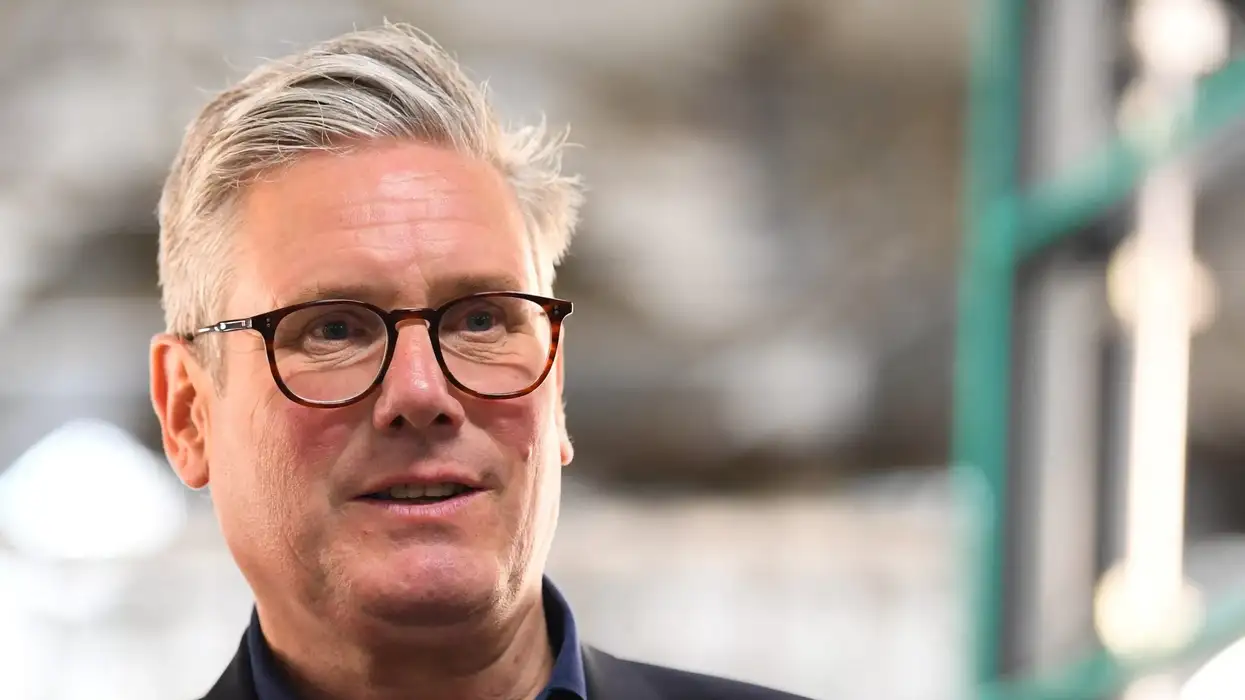

KEIR STARMER has said the UK should move towards closer alignment with European Union markets “if it’s in our national interest”, while ruling out rejoining the EU single market or customs union or ending freedom of movement.
The prime minister told the BBC it would be “better looking to the single market rather than the customs union for our further alignment” to protect trade deals with India and the US. He said existing manifesto commitments would remain in place.
Speaking to BBC presenter Laura Kuenssberg, Starmer said: “I think we should get closer, and if it’s in our national interest to have even closer alignment with the single market, then we should consider that, we should go that far. I think it’s in our national interest to go further.”
He added that after securing deals with the US and India, “we are better looking to the single market rather than the customs union for our further alignment. And it wouldn’t be in our interest now to give up.”
Starmer said closer economic ties were a “sovereign decision” and had delivered the best UK–EU relationship “for 10 years”. He said further alignment should be considered “issue-by-issue, sector-by-sector”, noting that the UK has already aligned on food and agriculture rules, to be implemented this year.
The comments follow pressure from within Labour, with 13 backbenchers backing proposals linked to a customs union in a Commons vote in December. Starmer said he was not reversing Brexit, adding that nobody wanted to be “picking over the bones of Brexit” and that the focus was on what was in the national interest.
On youth mobility talks, he said: “That is not the return to freedom of movement, we’re not going back to freedom of movement.” He added that opportunities for young people were “a very good thing”, citing the decision to rejoin Erasmus.
The Conservative Party accused the government of using Brexit to excuse economic problems. Shadow foreign secretary Priti Patel said Labour’s “Brexit betrayal” was becoming clearer and warned closer alignment would mean “surrendering our freedom to cut regulation and strike our own trade deals”.