
Highlights
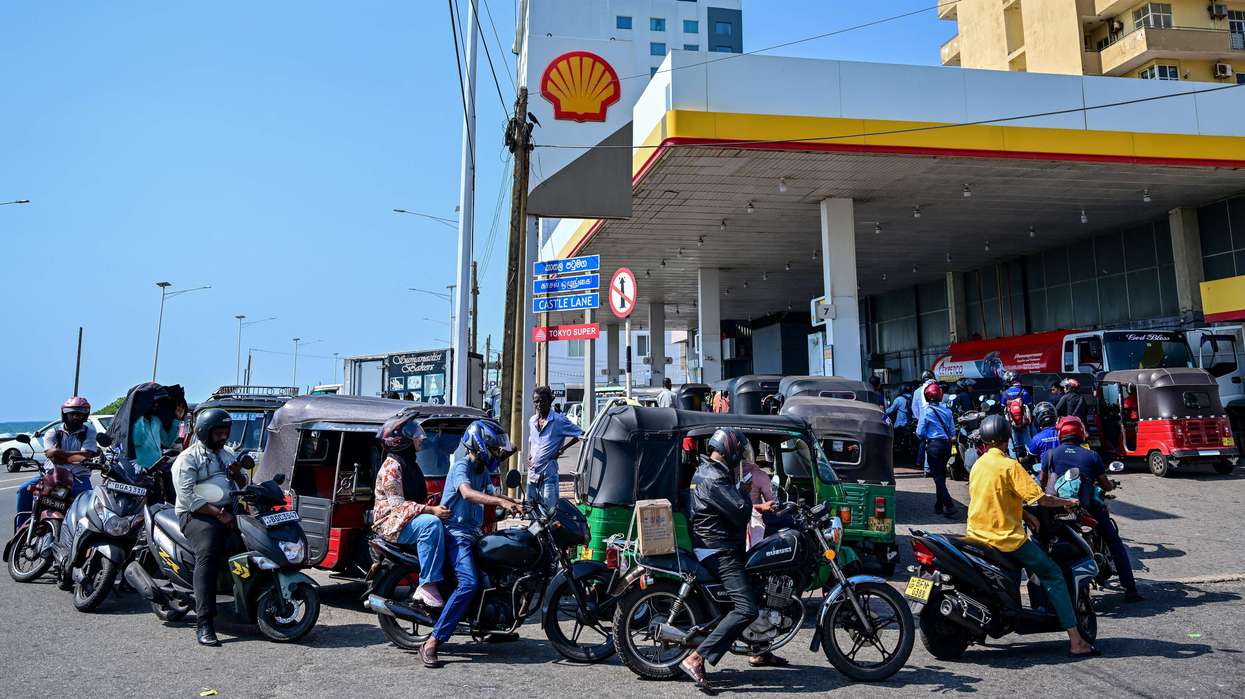
- Sri Lanka has declared every Wednesday a holiday for public institutions to conserve fuel amid possible shortages.
- Motorists must now register for a National Fuel Pass limiting private cars to 15 litres and motorcycles to five litres.
- Nearly 90 per cent of all oil and gas flowing through the Strait of Hormuz was bound for Asia last year.
Wednesday was chosen as the extra day off so that government offices would not be shut for three days in a row. Essential services like health and immigration will still run as normal.
Drivers must now sign up for a National Fuel Pass which limits how much fuel they can buy. Private cars are allowed 15 litres and motorcycles just five litres.
Some Sri Lankans are not happy with these limits saying they are too low. A similar fuel rationing system was used in 2022 when the country ran out of foreign money and could not buy enough fuel or other essentials.
Asia takes action
Many other Asian countries are also taking steps to save fuel. In Thailand the government is asking people to wear short-sleeved shirts instead of suits to use less air conditioning.
Myanmar has said private cars can only drive on alternate days based on their number plates.
Bangladesh has moved university Ramadan holidays earlier and introduced planned power cuts to save energy.
In the Philippines President Ferdinand Marcos Jr has stopped non-essential travel in the public sector and is giving cash of 3,000 to 5,000 pesos to tricycle drivers, farmers and fishermen to help them deal with rising fuel costs.
Vietnam is asking people to stay home more and use bicycles, shared cars and public transport instead of driving alone.
Oil prices have shot up since the US and Israel started hitting Iran late last month and are now sitting at around $100 a barrel.
Asia buys more oil than any other region in the world which means the blockage of the Strait of Hormuz is hitting Asian countries especially hard.
Governments across the continent are now scrambling to find ways to cut fuel use and protect their people from the rising cost of energy.