
Highlights
- American tariffs adding 10 per cent to costs, with further 25 per cent charge on single malts expected next spring.
- Barley demand slumped from up to 1 million tonnes to 600-700,000 tonnes expected next year.
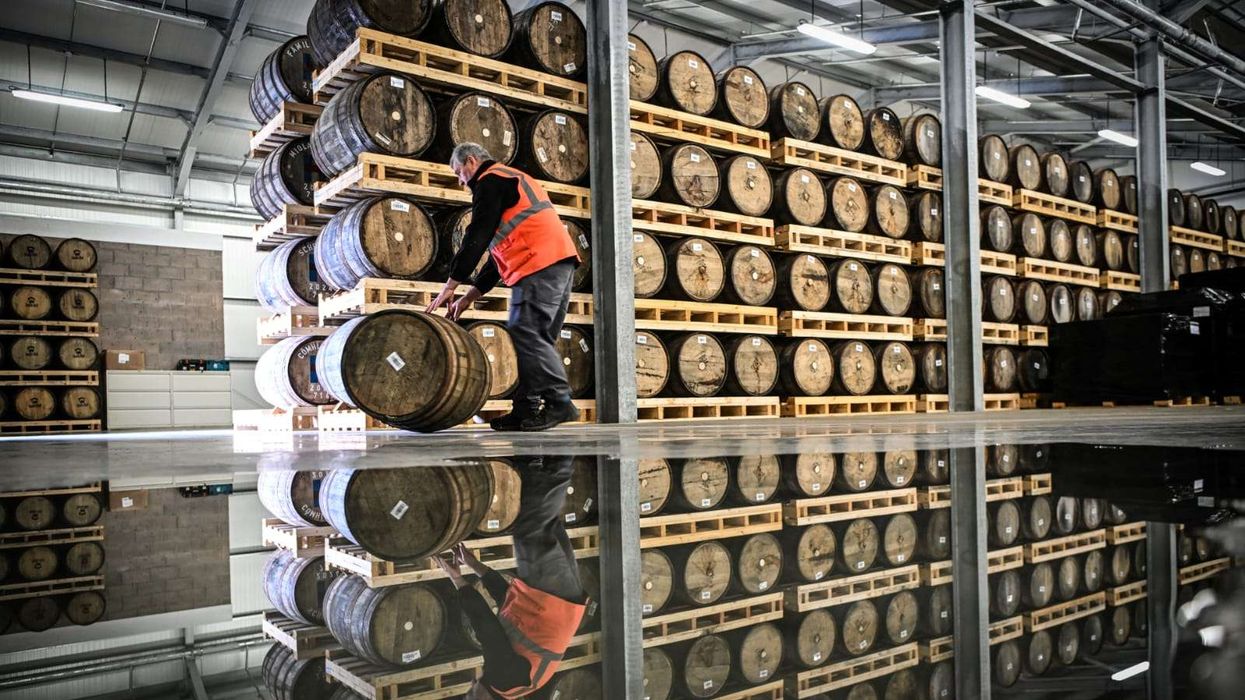
- Major distilleries including Glenmorangie and Teaninich have paused production for months.
Tariffs introduced under the Trump administration have added 10 per cent to importers' costs in the industry's biggest export market.
American tariffs on single malts, suspended four years ago, are expected to return next spring with a further 25 per cent charge unless a deal is reached.
The downturn extends beyond America. Shipments to China fell 31 per cent last year, dropping it from fifth to tenth biggest market.
The first half of this year showed Scotch exports worth £2.5bn, up 1 per cent in value but down nearly 4 per cent in volume.
Major producers have responded by cutting production. Diageo, the biggest Scotch whisky producer, has halted work at its Roseisle maltings in Moray until at least next June and paused distilling at Teaninich near Alness.
Glenmorangie at Tain has stopped production for several months, with resumption scheduled for spring 2026.
Brown-Forman, the Kentucky-based owner of Jack Daniels which also operates Glendronach distillery near Huntly, has slowed production there "based on demand planning".
Glenmorangie at Tain has stopped production for several months, with resumption scheduled for spring 2026.
Supply chain fallout
The crisis has severely impacted suppliers. Distillers' demand for malted barley has slumped, with expectations for next year cut from 900,000-1 million tonnes to 600-700,000 tonnes.
A maltings plant at Pencaitland in East Lothian is closing permanently with around 20 job losses.
One Aberdeenshire farmers' co-operative is facing a halving of its 70,000 tonne barley contract with Chivas Brothers, one of the largest whisky distillers.
Jack Stevenson, chair of the National Farmers Union Scotland's crop committee, told BBC "A lot of the merchants are struggling to find contracts. The end users are cutting them back hugely. There's doom and gloom in the cereals sector."
The Scotch Whisky Association acknowledged "significant challenges both at home and on the world stage".
Chief executive Mark Kent criticised the UK government's recent duty rise, saying it puts "huge additional pressure on a sector suffering job losses, stalled investment and business closures".
One bright prospect is India, the world's biggest whisky market, where a trade deal includes staged tariff reductions from 150 per cent to 40 per cent. However, ratification is expected to take time, too far off to avoid the short-term slump.