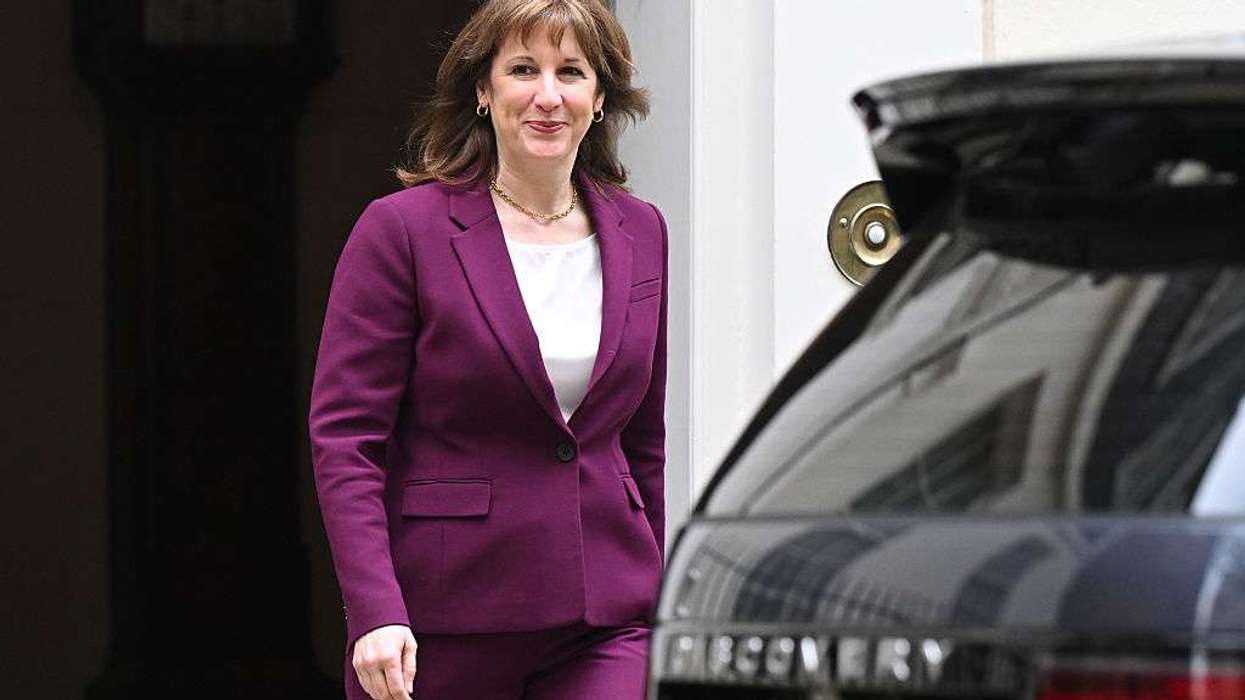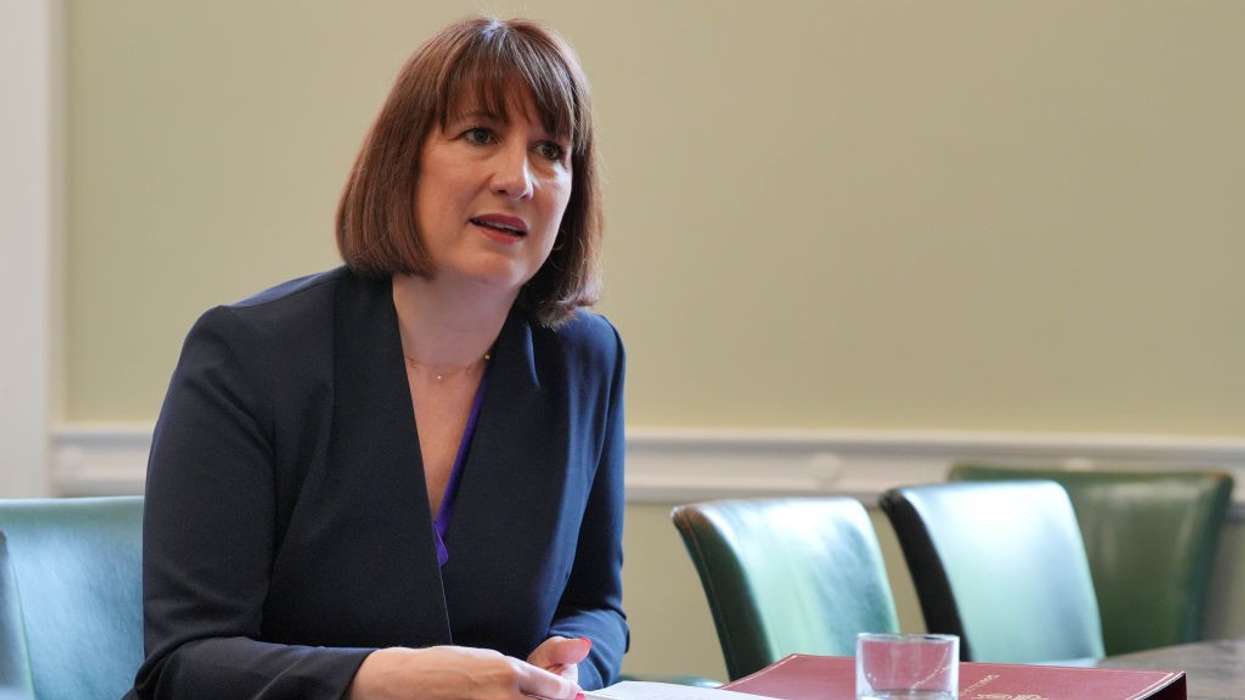

CHANCELLOR Rachel Reeves said on Monday that the UK could face higher inflation due to the fallout from the US and Israel’s war with Iran.
“The economic impact of the situation in the Middle East will depend, of course, on its severity and its duration,” Reeves told MPs in parliament after taking part in a meeting of G7 finance ministers.
“The movements that we have already seen are likely to put upward pressure on inflation in the coming months.”
Official data released last month showed the UK’s annual inflation rate eased in January. The Consumer Prices Index fell to 3.0 per cent from 3.4 per cent in December.
The data provided some relief for prime minister Keir Starmer’s Labour government, which has struggled to revive Britain’s economy since winning the general election in July 2024.
Starmer said on Monday the government was monitoring the economic impact of the war.
“The longer this goes on, the more likely the potential for an impact on our economy, impact into the lives and households of everybody and every business,” Starmer said.
“Our job is to get ahead of that, to look around the corner, assess the risk, monitor the risks, and work with others in relation to that.”
Starmer said the government was prepared to deal with the economic impact of the conflict. Most households remain protected until summer under a price cap on gas and electricity.
The issue was also discussed by G7 leaders, including the possibility of a joint release of strategic oil reserves coordinated by the International Energy Agency (IEA). However, they decided they were “not there yet,” French finance minister Roland Lescure told reporters.
Starmer also defended ties between the UK and the United States after tensions in the past week. US president Donald Trump had criticised the British leader for initially refusing to have any role in the war.
“The discussion with our US counterparts is happening at all levels, all of the time, every single day. That's the nature of the relationship,” said Starmer, who on Sunday held his first phone call with Trump since the war broke out on February 28.
But he added that “decisions about what's in Britain's best interests are decisions for the prime minister of Britain.”
(With inputs from agencies)