
ORDINARY people in India were dismayed by the bonhomie displayed by US president Donald Trump when he met his Russian counterpart Vladmir Putin in Alaska in August this year.
Trump clapped joyfully as Putin strode towards him on the red carpet and afterwards the Russian leader got into the American president’s limousine as though they were “brothers in arms”.
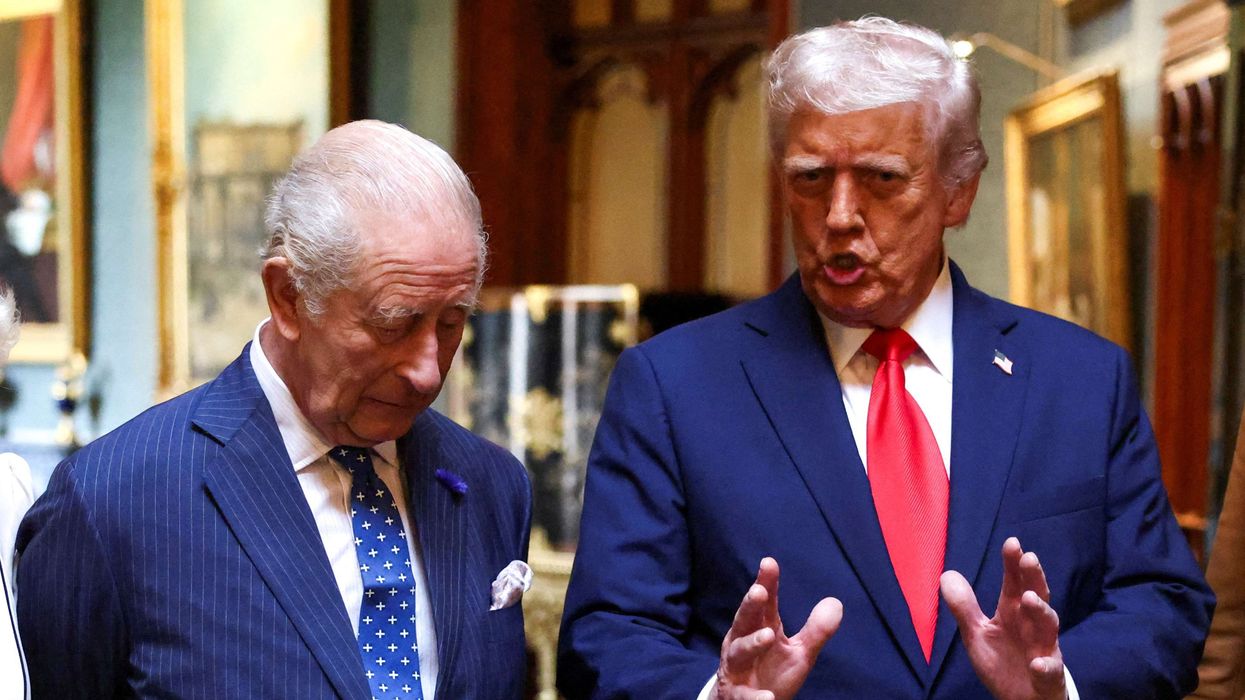
There was even greater concern in India when Trump was seated between King Charles and Catherine, the Princess of Wales, during a banquet at Windsor Castle during his second state visit to the UK, in September. Leader writers in India and in many other countries pondered the question, “Can the world trust the US as Putin tries to draw Trump into his orbit?”
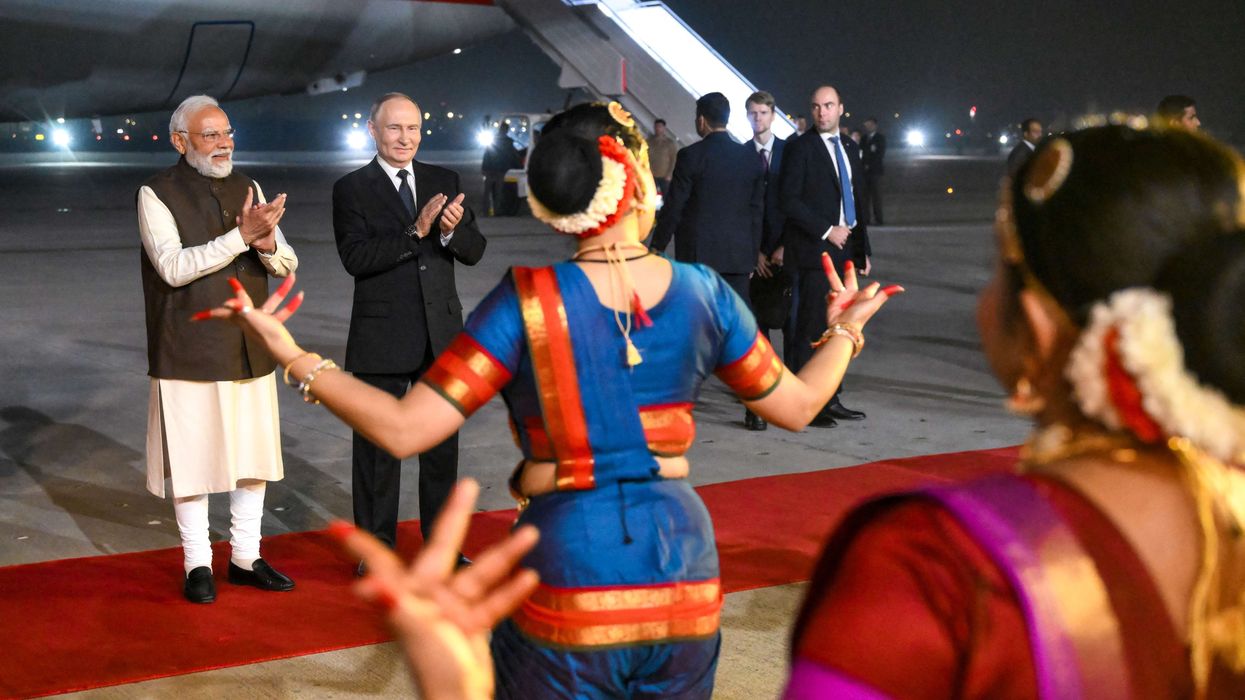
Curiously, the Indian prime minister Narendra Modi copied Trump and greeted Putin when he arrived in Delhi last week. Again, copying the US president, Modi and Putin sat next to each other in the Indian prime minister’s limousine.
The page one picture in the Daily Telegraph is often of the Princess of Wales, but the paper published a photograph of Modi and Putin sitting next to each other in the car, with the caption, “Brothers in arms”.
Inside was a comment piece dressed up as a news story, “Can the West trust India as Putin tries to draw Modi into his orbit?”
There is no doubt that Putin – and Putin alone – is responsible for unconscionable aggression against Ukraine, which seems to be losing the war. And no one has done more to support Putin than Trump, to the extent of accusing the Ukrainian president Volodymyr Zelensky of starting the war.
Therefore, the more pertinent question is, “Can Britain trust the US?”