
Highlights
- 64 per cent of adults in England are overweight or living with obesity, costing NHS over £11 bn annually.
- Traffic light labelling system introduced in 2013 remains voluntary, leading to inconsistent use across retailers.
- Research shows 47 per cent of shoppers find current labels easy to understand, with 33 per cent checking nutrition information first.
Consumer champion Which? has called on the government to make front-of-pack nutrition labels mandatory across the UK, warning that urgent action is needed to address the country's growing obesity crisis.
The organisation's research, which tracked the shopping habits of over 500 people through their mobile phones, found that while traffic light labelling remains the preferred option among consumers, the current voluntary system is being used inconsistently across major manufacturers and retailers.
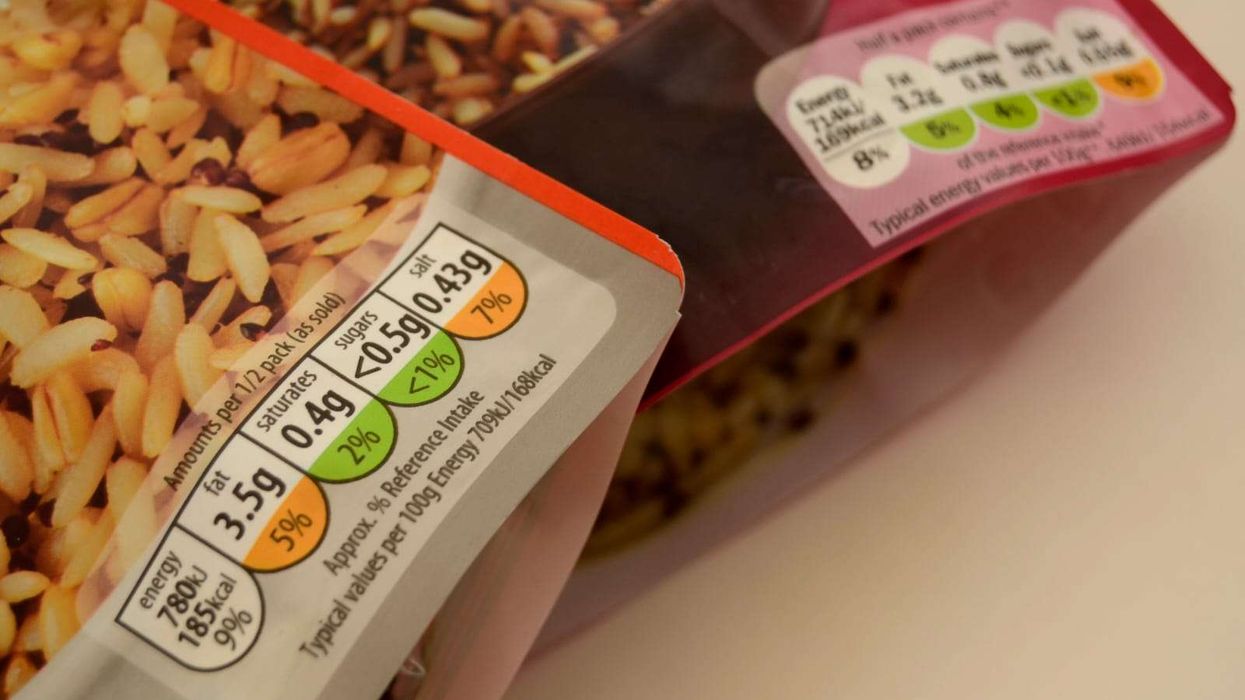
The traffic light system, introduced in 2013, uses green, amber and red colours to indicate low, medium and high levels of fat, saturated fat, sugar, salt and calories.
However, Which? found that some shops do not include the labelling at all, whilst others provide it without colour coding.
According to the research, a third of shoppers said nutrition labels were the first thing they looked at on packaging. The system was most commonly used when choosing snacks (56 per cent), dairy products (33 per cent) and breakfast cereals (27 per cent).
Obesity crisis
Sue Davies, head of food policy at Which? pointed "The UK is in the midst of an obesity crisis and it's clear that a better approach to front-of-pack labelling is needed to help shoppers make healthier choices."
She added that the new system should be "backed up with effective enforcement and oversight by the Food Standards Agency and Food Standards Scotland, so shoppers have full trust in the labels on their food."
The call comes as obesity figures continue to rise across England. In 2022, 64 per cent of adults were estimated to be overweight or living with obesity, while one in 10 children in their first year of primary school is obese, the highest figure on record outside the pandemic.
The Department of Health and Social Care confirmed it is "bringing in a modernised food nutrient scoring system to reduce obesity" as part of its 10 Year Health Plan, alongside restrictions on junk food advertising and limits on volume price promotions.