
- Nissan has reportedly warned its Sunderland factory could face closure if EU incentives exclude the UK.
- The UK auto industry says the proposals threaten £70bn in cross-channel trade.
- EU plans aim to prioritise electric vehicles built inside European factories.
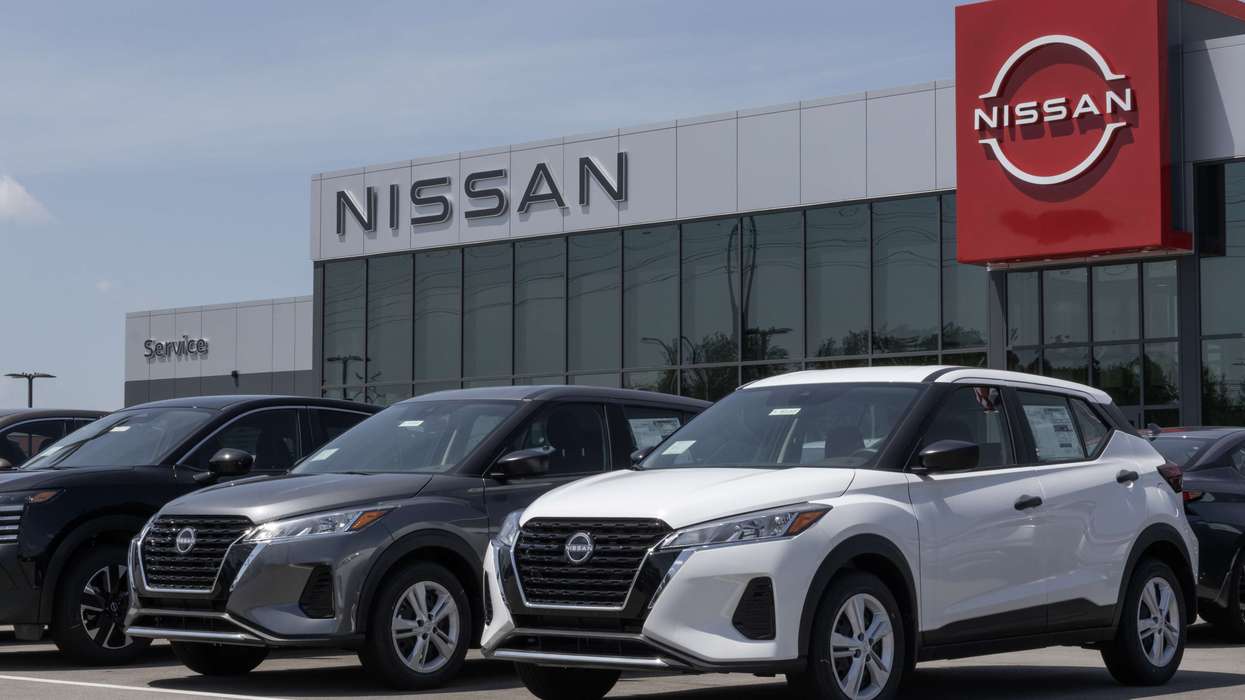
The EU “Made in Europe” electric vehicle rules could put one of Britain’s largest car plants at risk, according to reports that Nissan has privately warned the UK government about the possible consequences.
The Japanese carmaker has reportedly said it may have to reconsider the future of its Sunderland factory if the UK is not fully included in the European Union’s proposed Industrial Accelerator Act, a policy designed to strengthen European manufacturing and reduce reliance on imports from China.
The proposed rules would allow public subsidies for electric vehicles only if the cars are built in European factories, potentially excluding vehicles manufactured in Britain.
According to reports cited by the Financial Times, one industry executive said Nissan could face “an existential threat” if it were “frozen out of access to EU incentives”, as quoted in a news report.
The Sunderland facility is the largest car factory in the UK, employing around 6,000 workers and capable of producing up to 600,000 vehicles a year. However, the site is currently operating below that capacity due to softer demand.
Industry fears over £70bn trade link
The proposed EU policy has also triggered concern across the wider UK automotive sector.
The Society of Motor Manufacturers and Traders (SMMT), which represents the British car industry, warned the rules could damage the close trade relationship between the UK and the EU.
Mike Hawes, chief executive of the SMMT, reportedly said the sector was “gravely concerned” about the proposals.
“As drafted, it would discriminate against UK-made vehicles and components, damaging a trading relationship worth almost £70bn annually,” Hawes said, as quoted in a news report.
He added that the Industrial Accelerator Act could place UK manufacturers at a systemic competitive disadvantage in the EU market, and suggested the rules might even conflict with parts of the EU-UK Trade and Cooperation Agreement, the post-Brexit trade deal.
Industry figures are particularly worried about a section of the proposal that covers corporate fleet purchases. These fleets account for a large share of new car sales and eventually supply the second-hand market.
If the rules require such vehicles to be assembled inside the EU to qualify for subsidies, UK-built cars could be excluded from a significant segment of the market.
Debate spreads across Europe
Concerns about the proposal are not limited to Britain. The German car industry association VDA has also raised questions about the policy, warning that protectionist measures could drive up costs for both manufacturers and consumers.
Hildegard Müller, president of the VDA, reportedly said the proposal would struggle to significantly strengthen Europe’s industrial competitiveness in its current form.
“Its industrial policy impact will unfortunately be extremely limited,” she reportedly said in a news report.
Meanwhile, the UK government is continuing to lobby Brussels to ensure British manufacturers are treated as partners rather than outsiders.
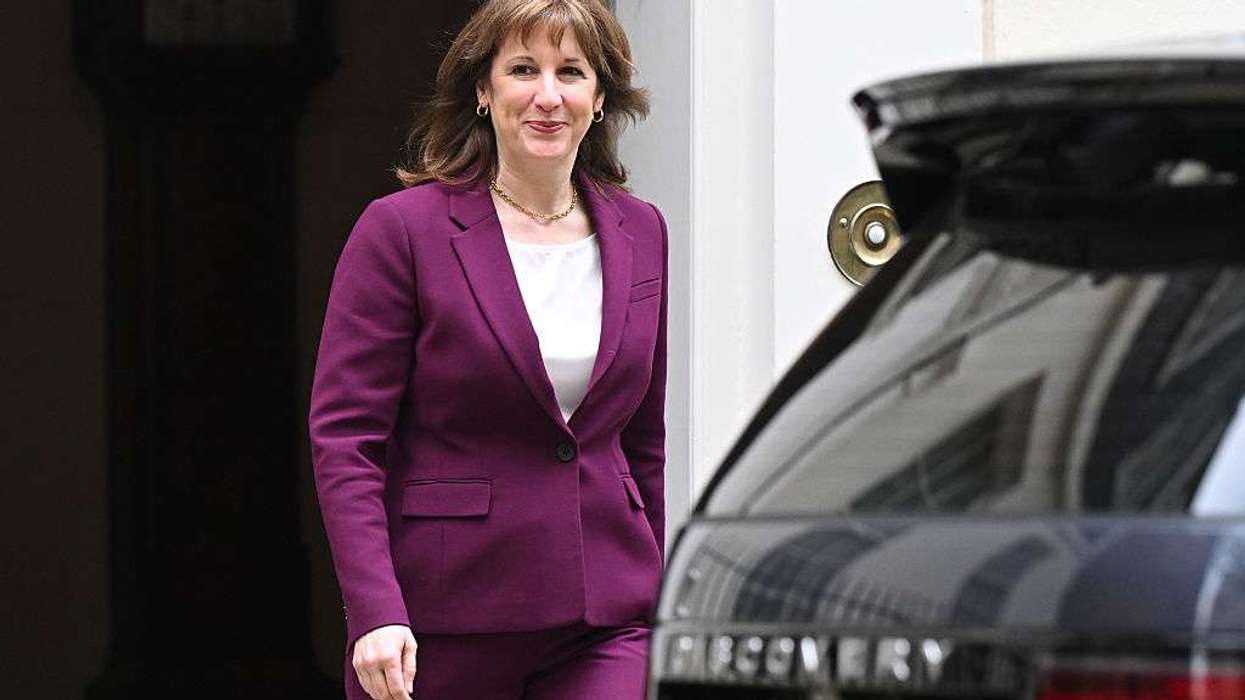
Business secretary Peter Kyle visited Brussels last week to argue that the UK should be included as a full participant in the “Made in Europe” framework. However, he did not meet Stéphane Séjourné, the European commissioner responsible for the proposal.
European officials have suggested the final rules may still leave room for countries with trade agreements with the EU to participate.
A European Commission spokesperson said the EU-UK Trade and Cooperation Agreement qualifies as a free trade area, meaning UK products could potentially be treated as equivalent to EU-made goods under the scheme, unless Britain introduces policies that exclude EU products.
Some analysts believe the final version of the policy may take a more flexible approach.
Professor Simone Tagliapietra, a senior fellow at the Bruegel thinktank in Brussels, reportedly said the proposal had already evolved away from a strict “Made in Europe” concept.
“In its final version, the proposed Industrial Accelerator Act has abandoned the pure ‘Made in Europe’ approach, opening it up to third countries – what we might call ‘Made with Europe’,” he reportedly said in a news report.
For now, the debate highlights how the future of the UK car industry — and factories like Sunderland — could depend heavily on how Europe ultimately defines who counts as part of its green manufacturing ecosystem.