
Highlights
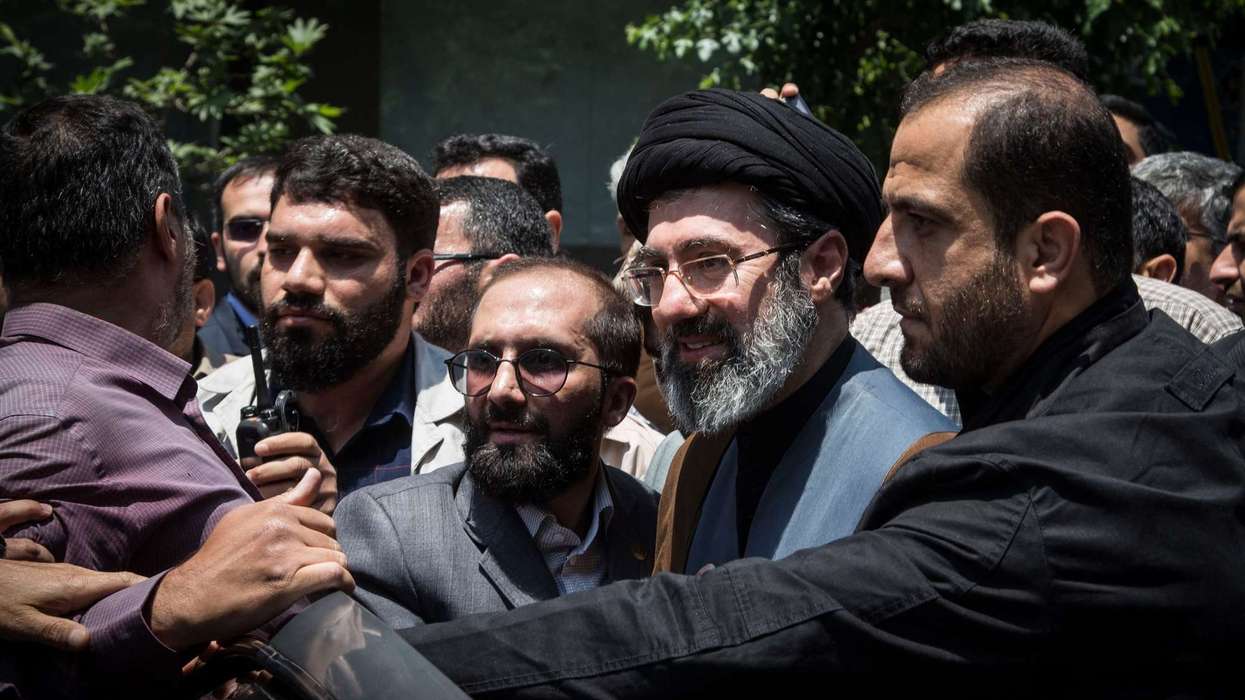
- Mojtaba Khamenei, 56, is the leading contender to succeed his father as Iran's supreme leader, according to the New York Times.
- Senior clerics met virtually on Tuesday to discuss new leadership after Ayatollah Khamenei was killed in an Israeli air strike.
- Donald Trump said "someone from within" the Iranian regime might be the best choice to lead Iran after the US-Israeli military campaign.
A hardliner who has managed his father's office and networks for years, Mojtaba Khamenei is known for his close ties to Iran's Revolutionary Guards suggesting the Guards still retain control of the levers of power in Iran.
He served in the Iran-Iraq war in the 1980s, giving him revolutionary credibility, and studied theology in the holy city of Qom, meeting the constitutional requirement for clerical training.
He survived the US and Israeli strikes that killed his father and 40 members of the regime's leadership, though he is expected to remain a target of Israeli assassination attempts.
Succession not certain
Despite being the frontrunner, Mojtaba's appointment is not guaranteed. Iran has historically resisted dynastic succession since the regime seized power in 1979, making his path to leadership uncertain.
Meanwhile Donald Trump said on Tuesday that "someone from within" the Iranian regime might be the best choice to lead Iran once the US-Israeli military campaign is completed.
Speaking in the Oval Office, Trump said "Most of the people we had in mind are dead. Now we have another group, they may be dead also, based on reports. So you have a third wave coming. Pretty soon we're not going to know anybody."
Trump appeared to drift from his earlier suggestion that the war presented an opportunity to end theocratic rule in Iran, saying he wanted to avoid a "worst case" scenario where "somebody takes over who's as bad as the previous person."
Reza Pahlavi, the exiled crown prince of Iran's last shah, is positioning himself for a return to power should Iran's theocracy fall — but Trump suggested "somebody from within" might be "more appropriate."
The White House has also intensified efforts to counter criticism that it moved too quickly to launch strikes on Iran, following lengthy negotiations by peace envoy Steve Witkoff and Jared Kushner with Iranian officials.