
- London’s super prime housing market could see a sudden supply surge.
- Around 250 property-linked companies tied to a collapsed lender are under administration.
- Falling demand and tax changes may deepen pressure on prices.
London’s super prime property market is bracing for a wave of high-end homes coming up for sale after the collapse of Market Financial Solutions (MFS), a major player in the shadow banking space.
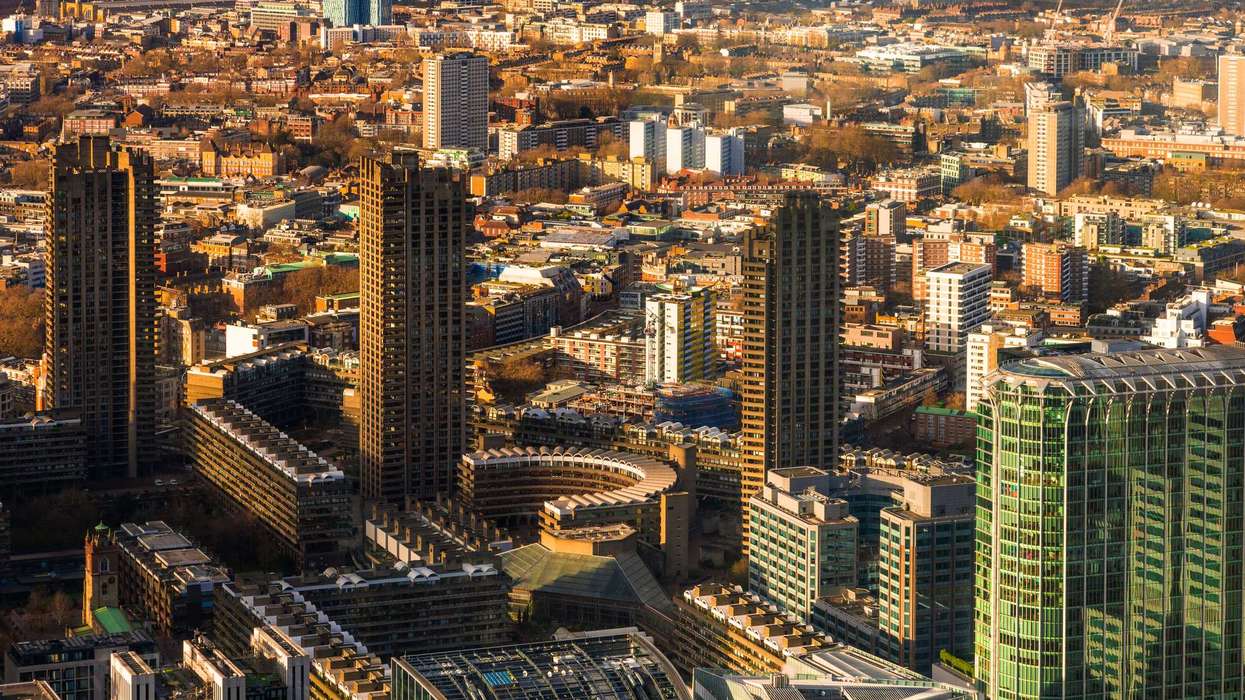
Administrators from FRP Advisory have stepped in to oversee nearly 250 companies that had borrowed from the lender. Many of these firms were essentially holding vehicles for luxury properties spread across some of London’s most expensive neighbourhoods, including Kensington, Belgravia, Knightsbridge and Mayfair.
That means homes in well-known locations such as Berkeley Street, Grosvenor Square and Portland Place could soon be listed, adding a significant amount of supply to a market that has already been slowing.
A spokesperson for FRP Advisory reportedly said in a news report that administrators are now handling these companies and their assets, with a focus on recovering value for lenders.
Questions around links and liabilities
Court documents cited by creditors have pointed to possible links between MFS co-founder Paresh Raja and some of the individuals listed as directors of these property-owning firms. The names mentioned include Kehemanad Hurhangee, Dipeshkumar Patel and Dipendra Amin.
Amin and Hurhangee are also associated with Magus Chartered Accountancy, which MFS had listed among its key accountants. However, there is no suggestion of wrongdoing by the firm, MFS or the individuals named.
A representative for Raja reportedly said in a news report that he was not involved in these companies, adding that he “wishes to see the best administrators get the best return to lenders and creditors.”
MFS collapsed on February 27 after building a loan book of about £2.4bn and borrowing more than £2bn from major banks including Barclays and Santander. Its failure has already unsettled parts of the financial market, with investors worrying about similar risks in private credit.
Demand weakens as supply rises
The timing of this influx could not be more delicate. Prices in London’s super prime segment have already fallen by up to 10 per cent, according to market estimates, as demand softens.
One reason often cited is the reported departure of wealthy foreign buyers following changes to the non-dom tax regime introduced by Chancellor Rachel Reeves. These buyers accounted for roughly two thirds of super prime transactions last year, as per Beauchamp Estates.
Industry groups are starting to push back. BusinessLDN has called on the government to reconsider the tax changes, warning that the loss of high-net-worth residents is affecting not just property, but also financial services and parts of the creative economy.
With hundreds of luxury homes expected to hit the market, the coming months could offer a clearer picture of how deep the slowdown runs — and whether demand is strong enough to absorb what’s coming.