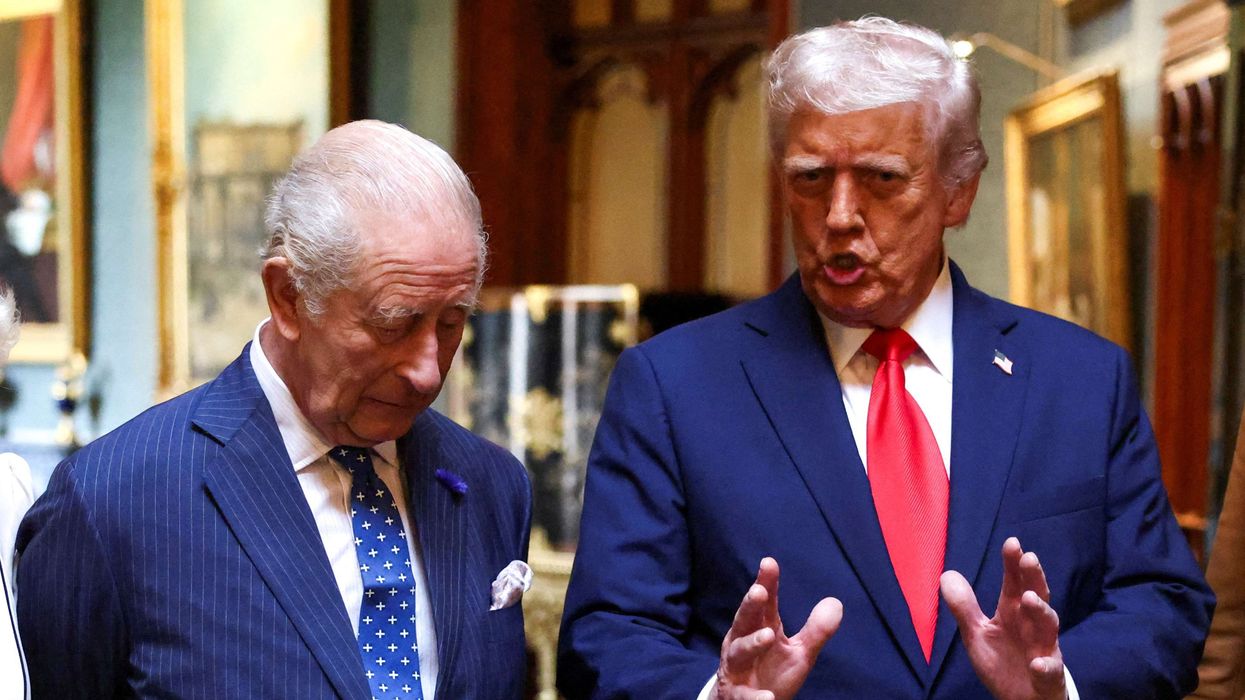

TO ANY neutral observer, the American and Iranian leaders, Donald Trump and Ali Khamenei, might appear to be mirror images of each other.
For example, the US president has flooded many American cities with heavily armed and trigger-happy para-military forces known as ICE (Customs Enforcement agency) in opposition to the wishes of local people and state governments.
In Minneapolis, the killing of Renee Nicole Good, a 37-year-old mother of three, by an ICE officer, Jonathan Ross, was justified by the Trump administration, which branded her a “domestic terrorist”. Trump stated, not entirely convincingly, that Good “violently, willfully, and viciously ran over the ICE Officer,” alleged she was a “professional agitator” and suggested she was part of a coordinated effort to incite violence against federal agents.
This account was described by Democratic Minneapolis mayor Jacob Frey as “garbage”. Frey added: “I have a message for ICE: Get the f*** out of Minneapolis. We do not want you here.”
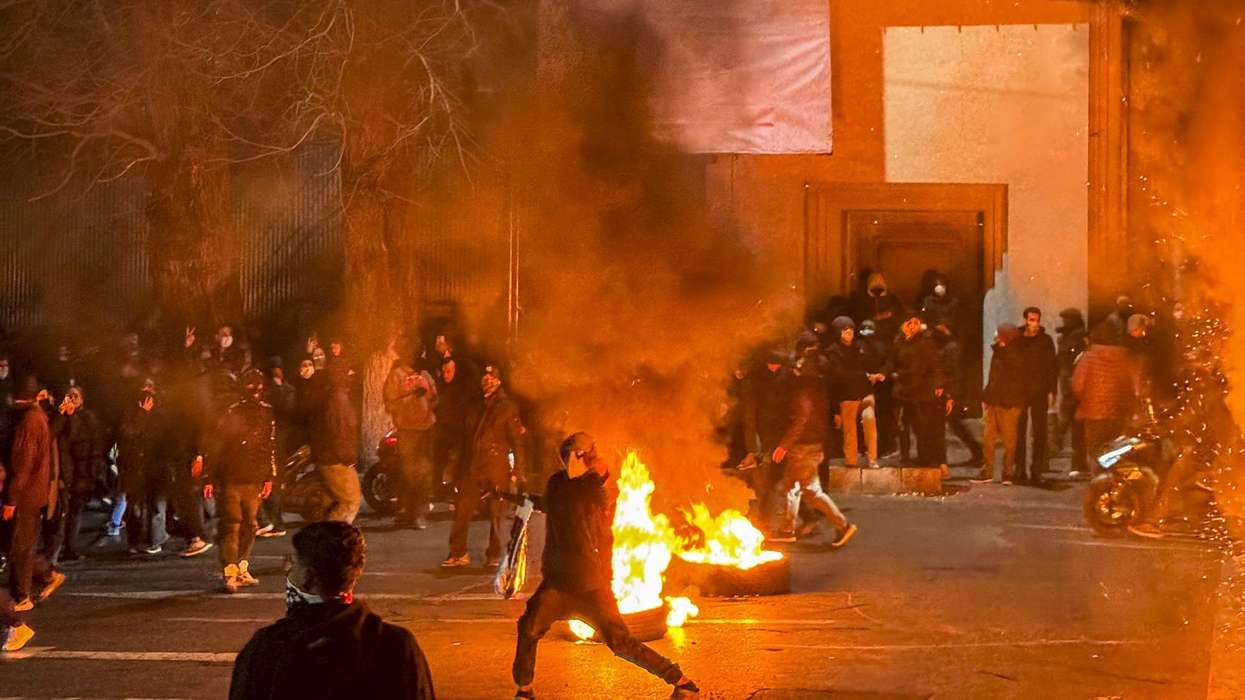
Meanwhile, in Iran, “Supreme leader” Ayatollah Khamenei is using the Pasdaran, known as the Islamic Revolutionary Guard Corps (IRGC), to put down nationwide protests.
According to human rights groups in the west, more than 600 protesters have been killed. This compares with 1,200 by Hamas in Israel and 72,000 in Gaza (according to the Hamas health ministry).
Khamenei said the protesters were “vandals” just trying “to please the president of the US”. The Iranian president, Masoud Pezeshkian, who is meant to be the moderate in the Iranian regime, said those burning mosques and shops were “rioters and terrorists”.
Khamenei is 86, but comes across as fitter than Trump, who is 79.
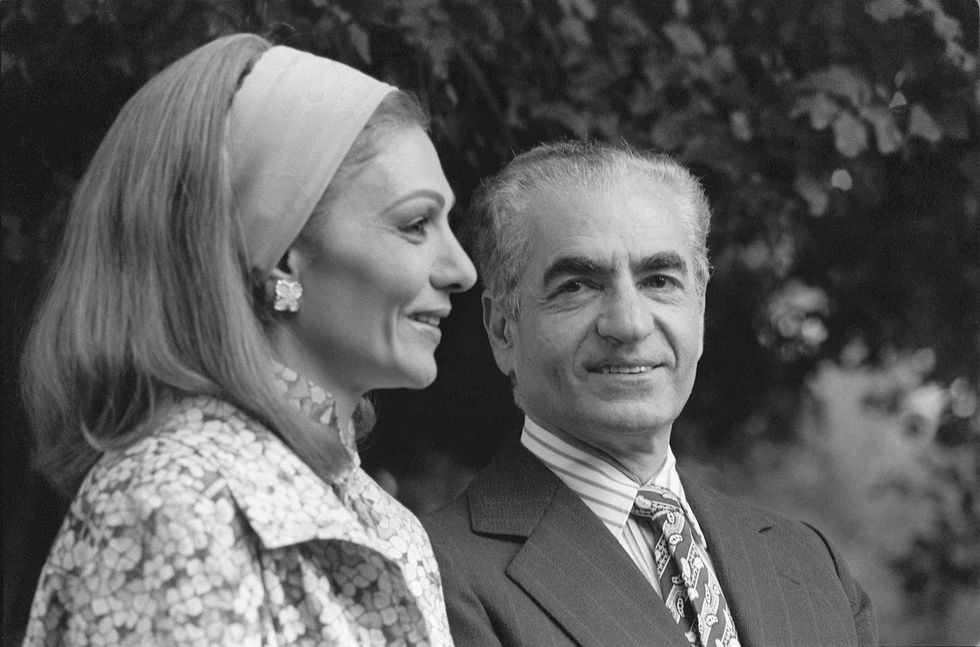 Mohammad Reza Pahlavi, the Shah of Iran, with his wife Farah Diba in 1979Pierre Guillaud/AFP via Getty Images
Trump, “locked and loaded”, has warned that the United States may intervene on the side of the protesters if the killing continues – referring to the deaths in Iran rather than those caused by ICE in America.
In three years, Trump may be gone, but there is no guarantee of regime change in Tehran. The IRGC is estimated to number around 125,000, and its members are heavily indoctrinated, meaning change can only come through defections from within the Iranian security apparatus.
Iran is actually a beautiful country with an ancient civilisation. In some ways I found it to be rather like India. The Mughals brought the Farsi language and the fine ways of the Persian court to India, especially to places such as Lucknow. The Parsis are Zoroastrians who came to Gujarat from Persia. So, I have always made a distinction between the Islamic regime that has been in power since the revolution of 1979 that overthrew the Shah, Mohammad Reza Pahlavi, and the people.
In 1979, Iran’s population was about 38 million. It is now 93 million, meaning most people have known nothing other than rule by the ayatollahs, compulsory wearing of the hijab, and social norms set by Khamenei. Iran does have a majles (parliament) and regular presidential elections, but candidates deemed unsuitable are filtered out by a “guardian council”. Iranians, being pragmatic, have learnt to manipulate the system as best they can to allow themselves a measure of freedom.
What will Trump, backed no doubt by the Israelis, do next? One option would be to degrade the IRGC and possibly kill Khamenei and members of his inner circle. Despite effective Israeli and American intelligence networks, Iran’s top leaders are likely taking extra precautions, including sleeping in different beds each night and retreating to bunkers. There is also the risk that strikes killing or injuring ordinary people could actually boost support for Khamenei. The difficult calculation is that removing him might produce a new regime even more hostile to America, Israel and the west.
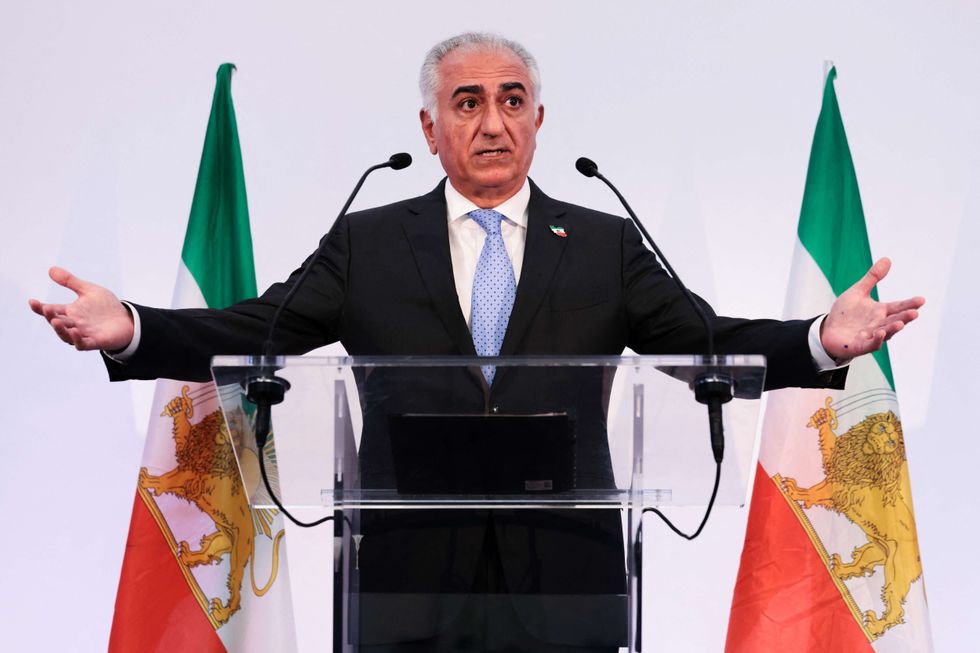 Reza PahlaviJoel Saget/AFP via Getty Images
There is also the near certainty that greater instability inside the country will increase the number of Iranians seeking refuge in Britain. That is not necessarily something that will meet the approval of the Reform leader Nigel Farage and others who are urging Trump to take decisive military action against Khamenei.
Alas, history provides little comfort. In 1953, Mohammad Mosaddegh, Iran’s democratically elected prime minister, was overthrown in a CIA- and MI6-orchestrated coup to protect western oil interests after he nationalised the industry. Mohammad Reza Shah Pahlavi was restored to the peacock throne.
In time, the Shah relied on his dreaded secret police, Savak, to maintain his grip on power. Under pressure from the Americans, he was forced to flee in 1979. Khomeini, returning from exile in Paris, triggered the revolution and the birth of the Islamic regime, which the west would now like to see replaced after 46 years in power. His victory was sealed by the defection of the Air Force. Once in control, Khomeini systematically dismantled the Shah’s armed forces, executing or sidelining them and replacing them with the more trustworthy IRGC, which he created from scratch. I saw Khomeini perhaps three times during my long years in Tehran as the Daily Telegraph’s correspondent, and so witnessed him systemically removing or executing the more westernised and more liberal of his own supporters.
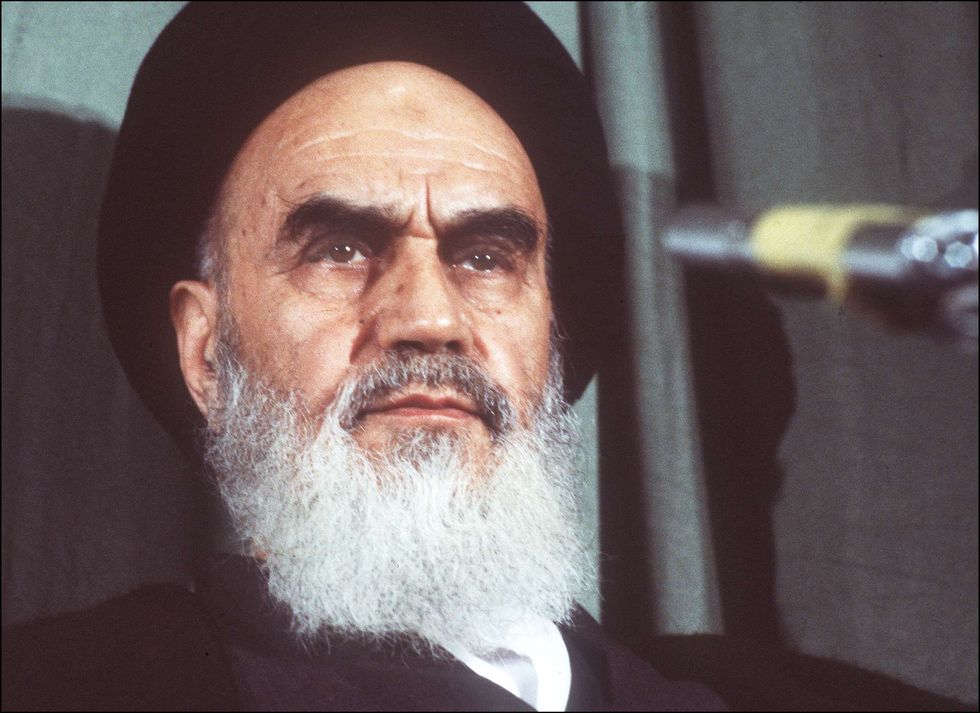 Ruhollah Khomeini in1979Gabriel Duval/AFP via Getty Images
There was an exodus of middle-class Iranians who no longer felt safe inside the country. The Iranian origin population in the UK was put at 114,000 in a 2021-2022 census. Among those who have crossed the channel in small boats, many are Iranian. Between 2018 and 2023, more than 21,000 Iranians arrived in small boats. Their numbers are now likely to go up, according to the law of unintended consequences.
The Iranian population in the US is anything between 500,000 and one million. There are so many in Los Angeles that it is sometimes called Tehrangeles. The most prominent Iranian in exile is the late Shah’s son, “Crown Prince” Reza Pahlavi, who is now 65 and lives in Washington. Many of the protesters have been chanting his name and seeking his return, which is ironic – considering their parents took to the streets in the late 1970s demanding the fall of his father and an end to rule by the Pahlavi dynasty.
On one of his visits to London, I did have a long talk with the Crown Prince, who set out his vision of a different Iran, which his father could not achieve. Like many exiles – this also happened before the Iraq war – Reza Pavlavi realises this is last throw of the dice. It’s now or never. This explains why he has called for Trump to act, although the US president doesn’t think it would be appropriate to meet him.
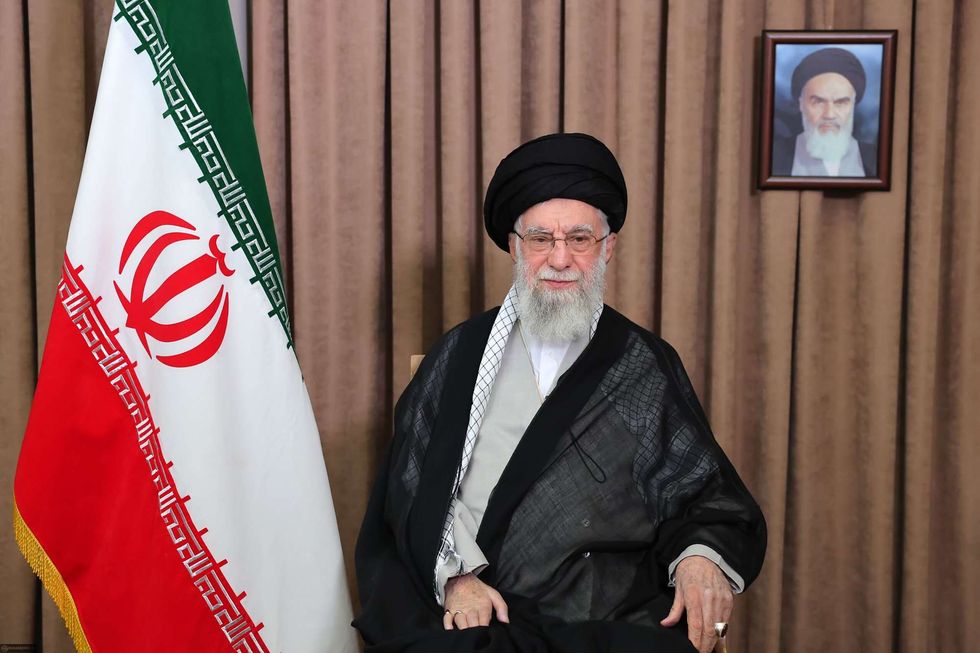 And , Ali Khamenei Office of the Supreme Leader of Iran/Getty Images
Reza Pahlavi left Iran in 1978 as a 17-year-old student and never returned.
Reza Pahlavi addressed Trump: “You have already established your legacy as a man committed to peace and fighting evil forces…. Let’s partner on this and have a better future for our countries and for our people.”
My guess is that Trump is receiving conflicting advice from within his own administration on what to do next in Iran. If he uses the military, he could cause greater chaos. But if he doesn’t, Khamenei will use the IRGC to kill hundreds, possibly thousands, of protesters and crush the biggest uprising he has faced.
My hope is for Iranian exiles to be able to return home to a land at peace with itself. I have at home precious personal treasures from Iran, including photographs, picture frames and a much-valued copy of the classic, Shahnameh (The Book of Kings), a long poem written by the Persian poet Ferdowsi between c. 977 and 1010 CE and is the national epic.