
- Bank of England expected to hold rates at 3.75 per cent.
- Rising energy prices could push inflation above 5 per cent.
- Markets shift from rate cuts to possible hikes outlook.
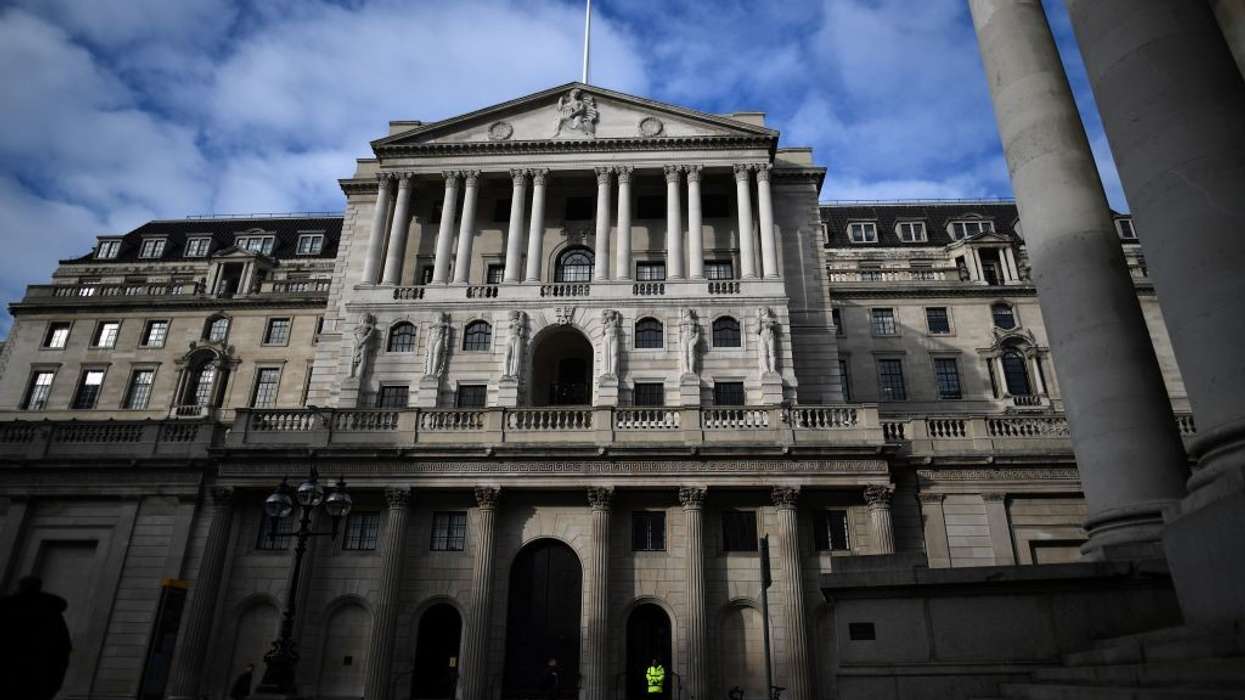
The Bank of England interest rate decision this week is expected to land on familiar ground, with policymakers likely to hold borrowing costs at 3.75 per cent as fresh inflation risks build.
A group of economists from The Times shadow monetary policy committee voted 8-1 in favour of keeping rates unchanged, signalling a cautious mood as global uncertainty grows. Their view is widely expected to align with the central bank’s own decision due at midday on Thursday.
Not long ago, markets were pricing in a steady run of rate cuts through 2026, with expectations that the base rate could fall to around 3 per cent. That outlook now looks far less certain.
War-driven price shock changes the mood
The shift comes after a sharp rise in global energy and commodity prices, triggered by the US-Israeli conflict involving Iran. The situation has raised concerns that inflation in the UK could climb again, just as it seemed to be easing.
The disruption to the Strait of Hormuz, a key route for oil and gas shipments, has been a major factor behind the surge in prices. If energy costs stay high, the impact is likely to feed through to households and businesses.
Analysts at Oxford Economics have warned that inflation could rise above 5 per cent under a prolonged conflict scenario. JP Morgan has also adjusted its outlook, reportedly saying in a note to clients that it now expects rates to remain unchanged for the rest of the year, rather than falling in the coming months.
Members of the shadow committee reportedly said in a news report that policymakers “shouldn’t be complacent” about inflation risks, especially given how quickly prices surged after the Russia-Ukraine conflict in 2022.
A fragile path ahead
Only a few months ago, the Bank of England had expected inflation to fall back to its 2 per cent target by spring, helped in part by lower household energy bills following policy changes announced in November.
Recent data showed inflation easing to 3 per cent in January. But with oil and gas prices climbing again, that trend may not hold. The central bank is now widely expected to revise its forecasts upwards.
Economists suggest the next move on interest rates will depend heavily on how long energy prices remain elevated. There is also concern about so-called second-round effects, where rising costs begin to push up wages and broader prices across the economy.
For now, the message appears to be one of caution. What once looked like a clear path towards lower borrowing costs has turned into a waiting game, shaped largely by events far beyond the UK’s borders.